Leading Firms Known For excellence in Producing Sales-Focused Conferences

Chief Executive Officer
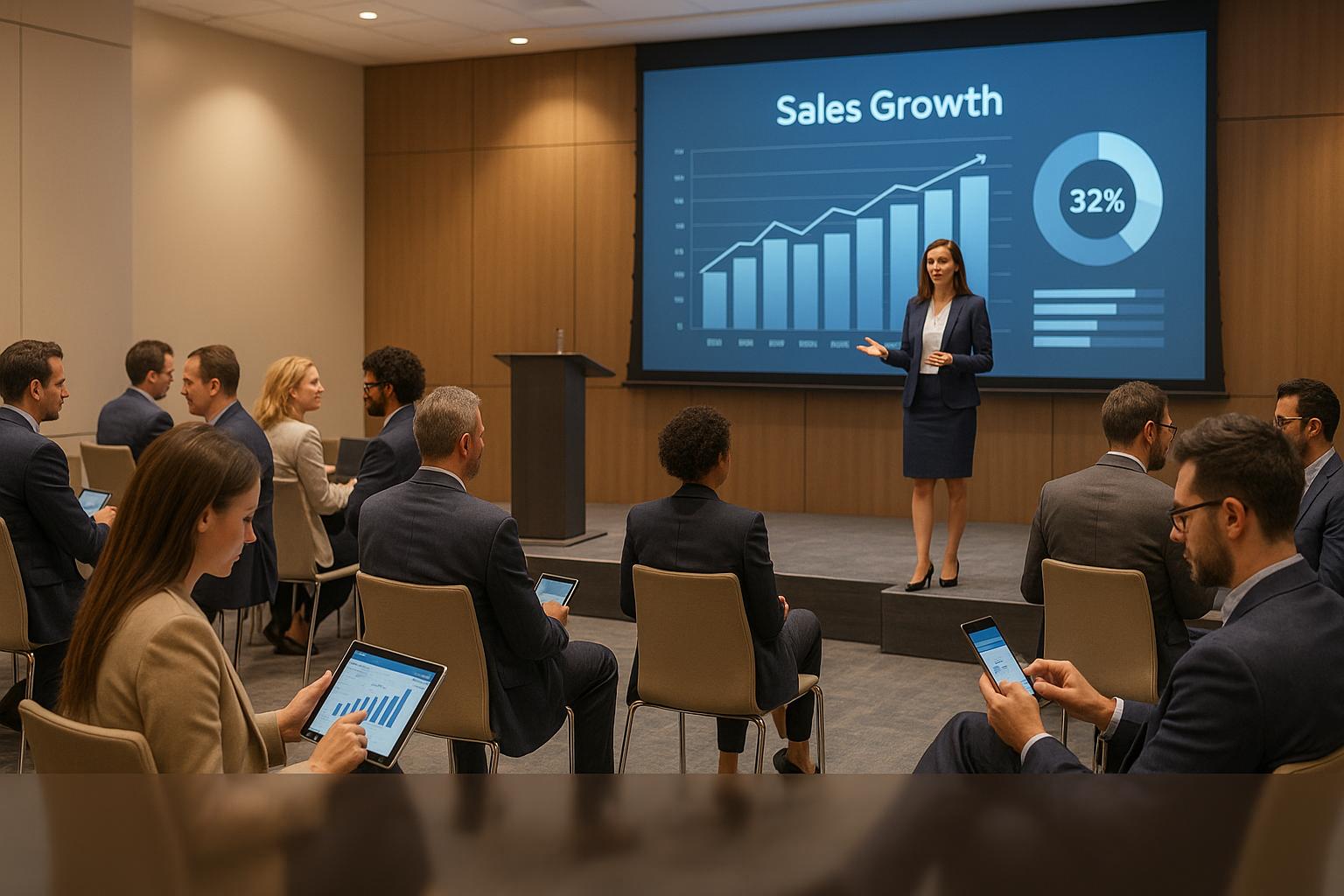
Sales-focused conferences are powerful tools for driving revenue, building connections, and advancing deals. Success depends on careful planning, effective technology, and engaging content. This article highlights the key elements of impactful conferences and profiles top production firms that help deliver measurable results.
Key Takeaways:
- Clear Goals & Metrics: Set specific, measurable objectives (e.g., leads generated, deals advanced).
- Engaging Technology: Use tools like live polling, mobile apps, and real-time analytics to boost attendee interaction.
- Content Strategy: Balance educational sessions with product demos tailored to audience needs.
Top Firms:
- Corporate Optics: Offers end-to-end production with advanced audiovisual services, hybrid event expertise, and data integration.
- Jack Morton Worldwide: Focuses on creating immersive, interactive experiences that resonate with attendees.
- BCD Meetings & Events: Specializes in data-driven event management, ensuring smooth execution and alignment with sales goals.
Choosing the right partner ensures your event drives leads, strengthens relationships, and achieves ROI. The firms listed excel in delivering tailored solutions for sales-focused events.
The Ultimate Guide to Plan Your Sales Kick-Off
Core Components of Effective Sales-Focused Conferences
What makes a sales conference truly impactful? It comes down to three key elements: clear objectives with measurable tracking, engaging technology, and well-planned content. These components work together to create an environment where meaningful conversations happen, and deals move forward. Here’s how each element contributes to a sales-driven event.
Setting Clear Objectives and Tracking Results
Success starts with specific, measurable goals. Instead of vague ambitions like "boosting brand awareness", aim for targets like generating a set number of qualified leads, advancing deals by a certain percentage, or converting a specific portion of attendees into active opportunities within a defined timeframe.
The most effective conferences integrate tracking systems right into the event. For example, registration data, attendance trends, and booth interactions can identify prospects who are actively engaged. If someone spends significant time at a product demo, that data can be sent directly to the sales team for immediate follow-up. This real-time approach turns what might feel like a networking event into a powerful lead-qualification engine.
Post-event analysis is equally important. It’s not just about counting attendees; it’s about measuring cost per qualified lead, pipeline value generated, and closed deals that can be directly tied back to the conference. These metrics help assess whether the event delivered a return on investment or simply consumed resources, ensuring every activity supports measurable sales outcomes.
Technologies and Tools for Audience Engagement
Technology has transformed the way sales conferences operate, making them more interactive and engaging than ever. Tools like live polling, Q&A platforms, and gamification elements keep attendees actively involved throughout the event.
Take live polling, for instance. During a keynote presentation, speakers can use polls to gauge audience reactions in real time. If a product manager unveils a new feature, instant feedback can reveal which aspects resonate most with the audience, giving sales teams valuable insights for follow-up discussions.
Mobile event apps are another game-changer. These apps allow attendees to schedule meetings, create personalized agendas, and even message sales reps directly. They also push notifications about relevant sessions or demos based on individual interests, ensuring attendees don’t miss opportunities that matter to them.
For hybrid or virtual events, high-quality live streaming with interactive chat features bridges the gap between in-person and remote participants. Production teams use professional-grade audio, lighting, and multiple camera angles to ensure virtual attendees receive the same level of value as those on-site.
Behind the scenes, data capture tools gather critical insights. Digital business cards automatically sync contact details into CRM systems, while interactive product displays track which features attendees explore most. Even simple metrics, like which breakout sessions draw the largest crowds, can reveal what’s top of mind for your prospects.
The key is to choose technology that enhances the experience without overwhelming attendees. Seamless integration and user-friendly interfaces let participants focus on what matters: the content and connections. When done right, these tools create a smooth, engaging experience that supports sales objectives.
Content Development and Speaker Preparation
Content is the backbone of any successful sales conference. Attendees want practical insights and strategies they can apply - generic industry overviews or thinly veiled sales pitches won’t cut it.
To deliver value, production teams collaborate with experts to craft customized agendas tailored to the audience’s specific challenges. For example, a conference for healthcare sales leaders will require different topics than one for tech sales teams, even if the underlying sales principles are similar. This level of customization requires research into industry trends, competitive pressures, and regulatory changes.
The preparation doesn’t stop with the agenda. Speaker training is essential. Speakers are coached to deliver concise, engaging messages that resonate with the audience and keep their attention throughout the session.
The best conferences strike a balance between educational content and product-focused sessions. Educational sessions - like trend analyses, case studies, or problem-solving frameworks - build trust and establish credibility. They position your company as a partner and advisor, not just a vendor. Product sessions then showcase how your solutions address the challenges discussed earlier, making the connection from insight to action seamless.
Interactive formats like hands-on workshops and live demonstrations leave lasting impressions. Instead of passively watching a presentation, attendees can use your product to solve real-world problems. This approach not only builds understanding but also confidence that your solution fits their needs.
Finally, pre-event communication plays a big role in setting the stage for engagement. Teaser videos, speaker interviews, and agenda previews create excitement and help attendees plan their experience. When participants arrive informed and ready to engage, the conference becomes far more impactful.
Top Firms for Sales-Focused Conference Production
Selecting the right partner to produce your sales conference is a critical decision. The companies listed below have established themselves as leaders in creating events that deliver tangible results by blending technical know-how with strategic insights. Here’s a closer look at how these firms achieve success.
Corporate Optics: End-to-End Event Production

Corporate Optics takes a full-service approach to sales conference production, covering every detail from the initial planning stages to post-event analysis. Their expertise allows sales teams to concentrate on what matters most: connecting with prospects and closing deals.
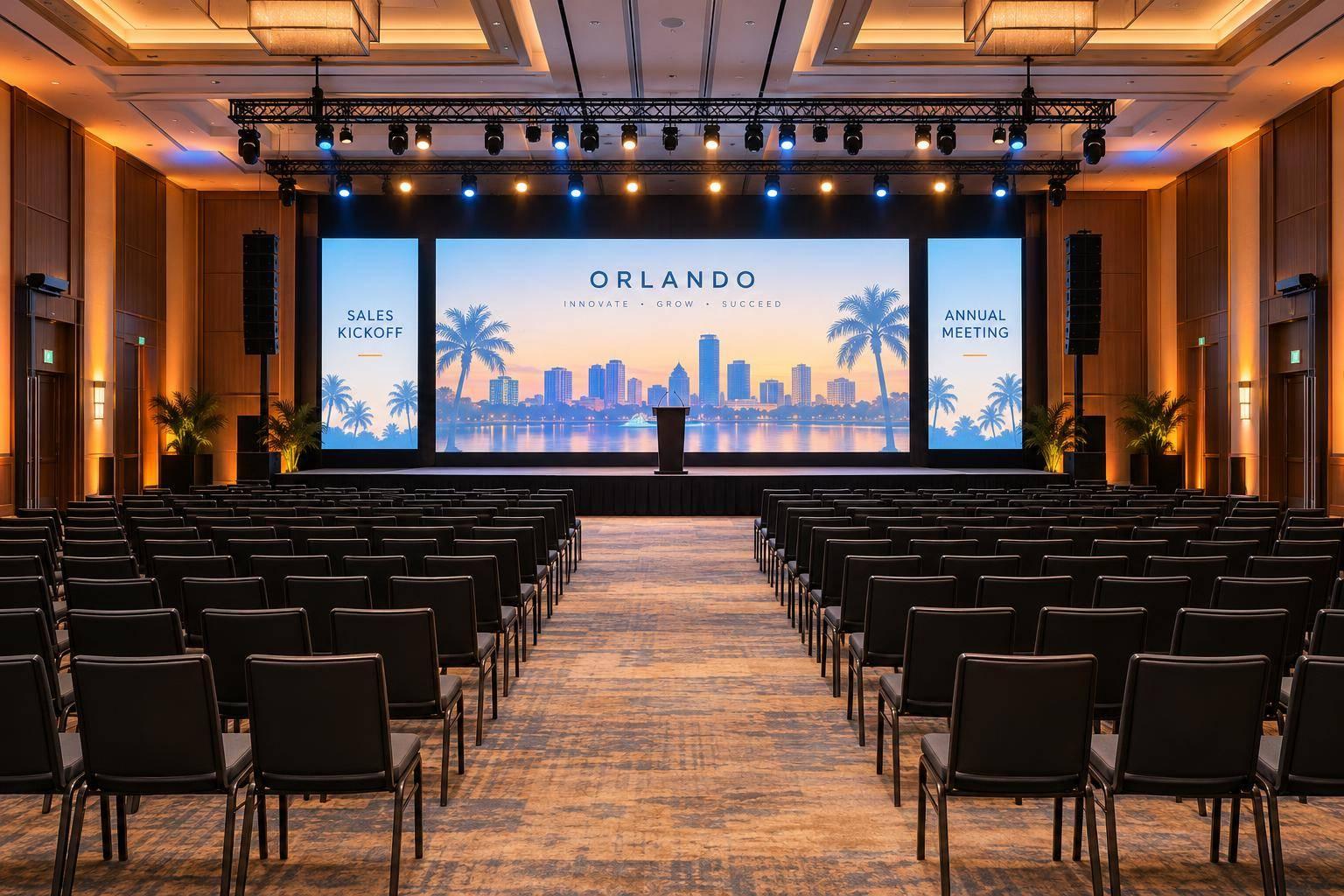
Their audiovisual services are top-notch, offering custom stage designs, advanced lighting setups, and multi-camera production that ensures broadcast-quality sound. This level of precision guarantees that whether attendees are in the room or tuning in remotely, they experience crystal-clear visuals and audio - key elements for impactful product demos and keynote speeches.
For hybrid and virtual events, Corporate Optics excels with multi-camera live streaming, real-time graphics, and interactive features like live chat to keep remote audiences engaged. Their speaker support services are equally comprehensive, offering rehearsals, teleprompter assistance, and on-site technical help to ensure presentations are seamless.
On the data side, Corporate Optics integrates tools like registration systems, audience engagement platforms, and CRM software to capture valuable insights. These analytics help sales teams identify their most engaged prospects and focus follow-ups where they'll have the greatest impact.
Additionally, Corporate Optics collaborates with prompts.ai, an AI-driven platform that streamlines event production by automating workflows and optimizing resource allocation.
Under the leadership of Steven P. Simmons, Corporate Optics has built a reputation for technical precision and broadcast-standard quality, handling everything from intimate executive meetings to massive sales kickoffs.
Jack Morton Worldwide: Creating Immersive Experiences
Jack Morton Worldwide approaches sales conferences with a focus on crafting immersive, memorable experiences. Their expertise lies in transforming traditional events into dynamic environments where attendees actively engage with the content, fostering stronger emotional connections and reinforcing key messages.
Jack Morton goes beyond standard presentations by incorporating interactive installations, themed environments, and hands-on demonstrations. These elements allow prospects to directly experience the value of a product or service, leaving a lasting impression.
Their creative teams use cutting-edge audiovisual techniques to turn venues into immersive spaces that align with sales goals. This approach not only captivates attendees but also provides sales teams with unique touchpoints to reference in future conversations.
Jack Morton also emphasizes strategic planning, working closely with clients to align event designs with business objectives. By understanding sales targets, audience demographics, and brand positioning, they ensure every event drives meaningful outcomes.
BCD Meetings & Events: Data-Driven Event Management
While creativity and technical execution are vital, BCD Meetings & Events stands out for its strategic, data-centric approach to event management. They specialize in crafting and executing meeting strategies that align with corporate goals like lead generation and relationship building.
BCD’s strength lies in their meticulous logistical coordination. Their teams handle everything from venue selection and vendor management to budget tracking and contingency planning. This level of detail ensures that events run smoothly while achieving their intended objectives.
sbb-itb-ae35a94
Selecting the Right Event Production Firm
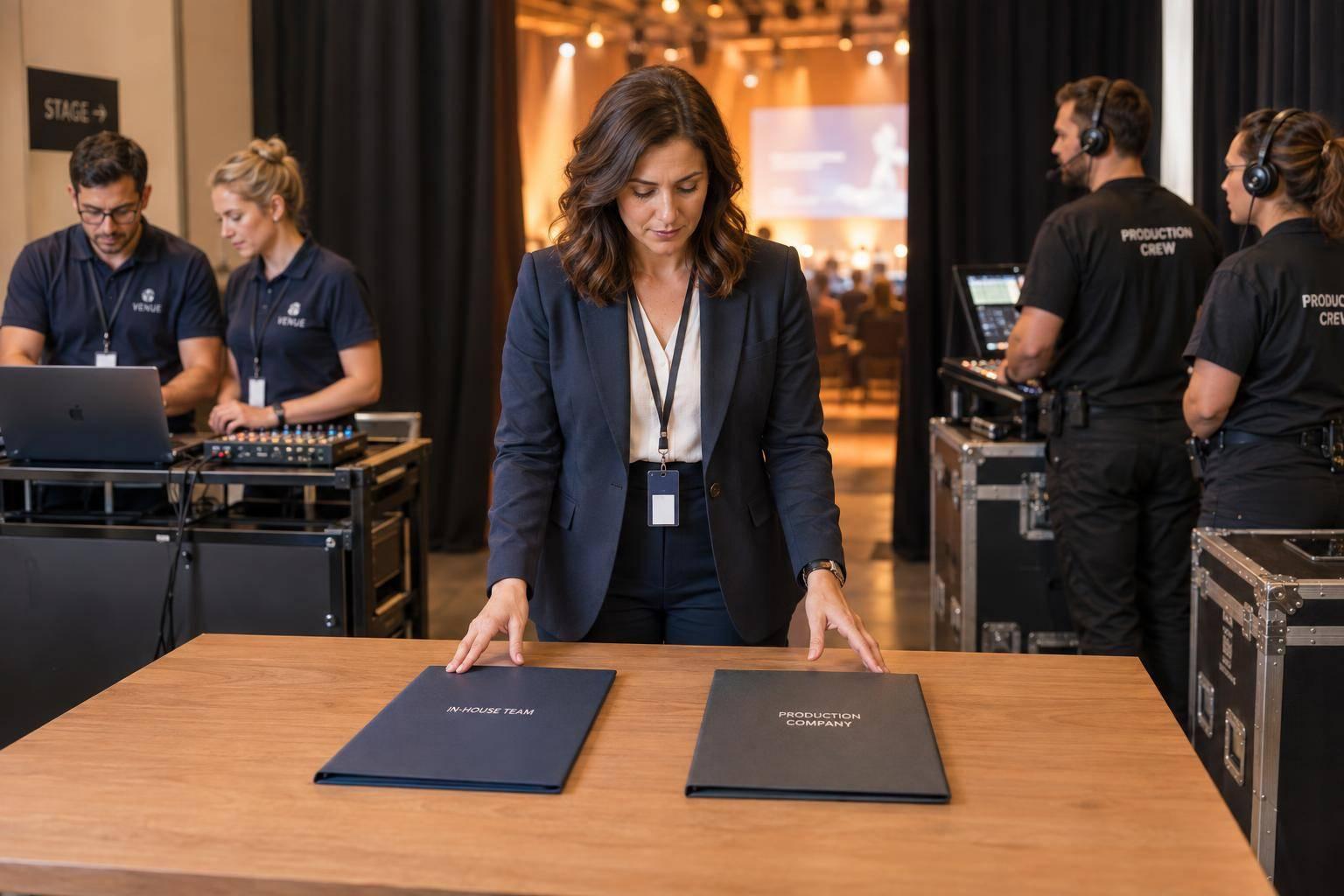
Finding the right production partner for your sales conference means aligning their skills with your goals, audience preferences, and the outcomes you want to achieve. This decision is about matching your event’s specific needs with a firm that can deliver results.
Reviewing Expertise and Industry Background
Start by examining the firm’s experience with sales-focused events. Just because they’ve handled general events doesn’t mean they’ll understand the unique demands of a sales conference. These events focus on driving revenue and strengthening customer relationships, so the stakes are different.
Look for firms that have successfully managed events similar to yours in both scale and complexity. For example, a company experienced in hosting intimate executive briefings for 50 attendees may not have the infrastructure to handle a 2,000-person sales kickoff. Ask for case studies that demonstrate measurable results - things like lead generation, pipeline growth, or conversion rates - not just high attendee satisfaction scores.
Industry knowledge is another key factor. A firm familiar with your sector will already understand your buyers’ challenges, the competitive environment, and the technical jargon your sales team uses. This understanding can make a big difference, whether it’s ensuring product demos are staged effectively or tailoring messaging to resonate with your target audience. Their familiarity will streamline planning and reduce the chances of miscommunication.
It’s also essential to verify their track record. Request client references to gauge how they handle responsiveness, problem-solving, and crisis management. Check if they’ve worked with your specific event format - whether it’s hybrid, fully virtual, or in-person - as each requires unique technical skills and engagement strategies.
Once you’ve evaluated their expertise, it’s time to assess their technology and tools.
Evaluating Technology and Engagement Tools
The tools a firm uses can make or break an event. Beyond basic production, their technology should align with your sales objectives and elevate the experience for attendees.
For audiovisual needs, find out whether the firm owns its equipment or rents it. Firms with their own broadcast-quality gear often offer quicker and more flexible support. Ensure they use cutting-edge audiovisual and engagement technologies that cater to both in-person and remote attendees.
Audience engagement tools are just as important. Look for systems that integrate registration platforms with CRM software, enabling you to track attendee behavior from sign-up to post-event follow-up. Real-time analytics during the event can help sales teams identify high-potential leads while they’re still engaged.
Don’t forget about speaker support. Tools like teleprompters, confidence monitors, and rehearsal sessions can help your executives and sales leaders deliver polished presentations. Any technical hiccup during a keynote or product launch can derail your message, so the firm’s approach to speaker preparation and on-site support is critical.
Budget Planning and ROI Analysis
Budget discussions should prioritize value over cost. Sales conferences are major investments, and going with the cheapest option often means sacrificing quality.
Ask for detailed, itemized proposals that break down costs into categories like venue, audiovisual equipment, staffing, technology platforms, content development, and contingency funds. This transparency helps you see exactly where your money is going and identify areas where you can adjust if needed. Be cautious of vague proposals or firms that can’t clearly explain their pricing.
Discuss how the firm measures success and tracks ROI. They should work with you to define clear metrics - such as the number of qualified leads generated, meetings booked, deals closed within a set timeframe, or customer retention rates. Post-event analytics should provide actionable insights to refine your sales strategy and justify the event’s cost to stakeholders.
Also, consider the total cost of ownership. Some firms charge extra for revisions, additional rehearsals, or post-event support, while others include these in their base fees. Understanding these details will help you avoid surprises and make accurate comparisons between proposals.
Experienced firms often build buffers for unexpected expenses, provide regular budget updates, and offer creative solutions if budget constraints arise. While a higher-priced partner might seem costly upfront, they may include valuable services like speaker coaching, advanced analytics, or dedicated project management that budget firms charge as add-ons. When comparing costs, factor in all services to gauge the true difference.
Finally, clarify payment terms, deposit requirements, milestone payments, and cancellation policies early on. This ensures smoother cash flow management and minimizes financial risk.
Conclusion
Sales-focused conferences require a thoughtful mix of clear goals, modern technology, and seamless execution to deliver measurable results. The difference between an event that fades into memory and one that drives qualified leads, builds stronger customer connections, and boosts pipeline growth often lies in choosing the right production partner.
Partnering with a firm that has deep experience in sales events ensures they understand the unique demands of your team. Sales conferences are high-stakes environments where the focus is on turning prospects into revenue. Specialized firms bring the expertise, technical skills, and engagement strategies needed to align with your sales objectives. This expertise naturally extends to leveraging advanced technology.
Technology is at the heart of today’s successful sales events. From cutting-edge audiovisual setups to real-time analytics and audience engagement tools, the right tech transforms passive attendees into active participants. A partner who integrates high-quality visuals with live tracking tools enables you to identify promising leads on the spot. When used effectively, these tools turn attendee engagement into actionable data.
When planning your budget, prioritize return on investment (ROI) over cost-cutting. Detailed proposals that break down expenses make it easier to measure ROI and justify spending to stakeholders. Firms that track key performance metrics provide the transparency and accountability needed to prove the value of your investment.
Your sales conference should reflect your brand’s identity, connect with your audience, and address specific challenges. Every element - whether it’s speaker preparation, audiovisual design, or post-event analytics - should be tailored to your goals. Whether you’re organizing a small executive briefing for 50 people or a large-scale sales kickoff for 2,000 attendees, the production firm you choose should adapt every detail to meet your needs. This level of customization highlights the importance of expert execution in transforming conferences into impactful sales tools.
The firms highlighted in this guide demonstrate how blending expertise, technology, and strategy can turn events into revenue-generating opportunities. By carefully evaluating a firm’s experience, technological capabilities, and ability to deliver ROI, you’ll find a partner who can elevate your sales conference from an ordinary gathering to a powerful driver of business success.
FAQs
What are the best metrics to evaluate the success of a sales-focused conference?
To measure the success of a sales-focused conference, it’s essential to track metrics that directly influence sales performance. Key indicators to consider include:
- Quota Attainment: This measures the percentage of sales targets met during or after the event.
- Win Rate: The ratio of sales opportunities that successfully closed as deals.
- Lead Conversion Rate: Tracks how efficiently leads generated at the event turn into qualified sales opportunities.
These metrics offer practical insights into how well the event performed and highlight opportunities to refine future conferences.
What should I consider when choosing technology to boost attendee engagement at a sales conference?
When choosing technology to boost attendee engagement at a sales conference, prioritize tools that promote interaction and create personalized experiences. Features such as real-time polling, live Q&A sessions, and gamification elements can transform sessions into more dynamic and engaging experiences. On top of that, tools that allow for instant feedback and post-session surveys can provide valuable insights to improve future events.
Look for platforms with automation and segmentation options to customize agendas, content, and networking opportunities for attendees. These features not only enhance participant satisfaction but also help foster meaningful connections, leading to better outcomes for your event.
How do the leading firms featured in the article customize sales conference content to meet audience needs?
Top companies make sure their sales conference content hits the mark by diving into detailed research and using data-backed insights. They take a close look at attendee demographics, current industry trends, and the specific goals of the businesses involved to craft sessions that truly resonate.
These companies also work hand-in-hand with their clients to get a clear picture of their unique challenges and objectives. By weaving in interactive features like Q&A sessions, live polls, and real-world case studies, they not only keep the audience engaged but also address their specific concerns. This tailored approach ensures the conference delivers real value and drives noticeable sales results.
Related Blog Posts


Streamline your workflow, achieve more

Lorem ipsum dolor sit amet, consectetur adipiscing elit. Maecenas ac velit pellentesque, feugiat justo sed, aliquet felis.



Lorem ipsum dolor sit amet, consectetur adipiscing elit. Maecenas ac velit pellentesque, feugiat justo sed, aliquet felis.