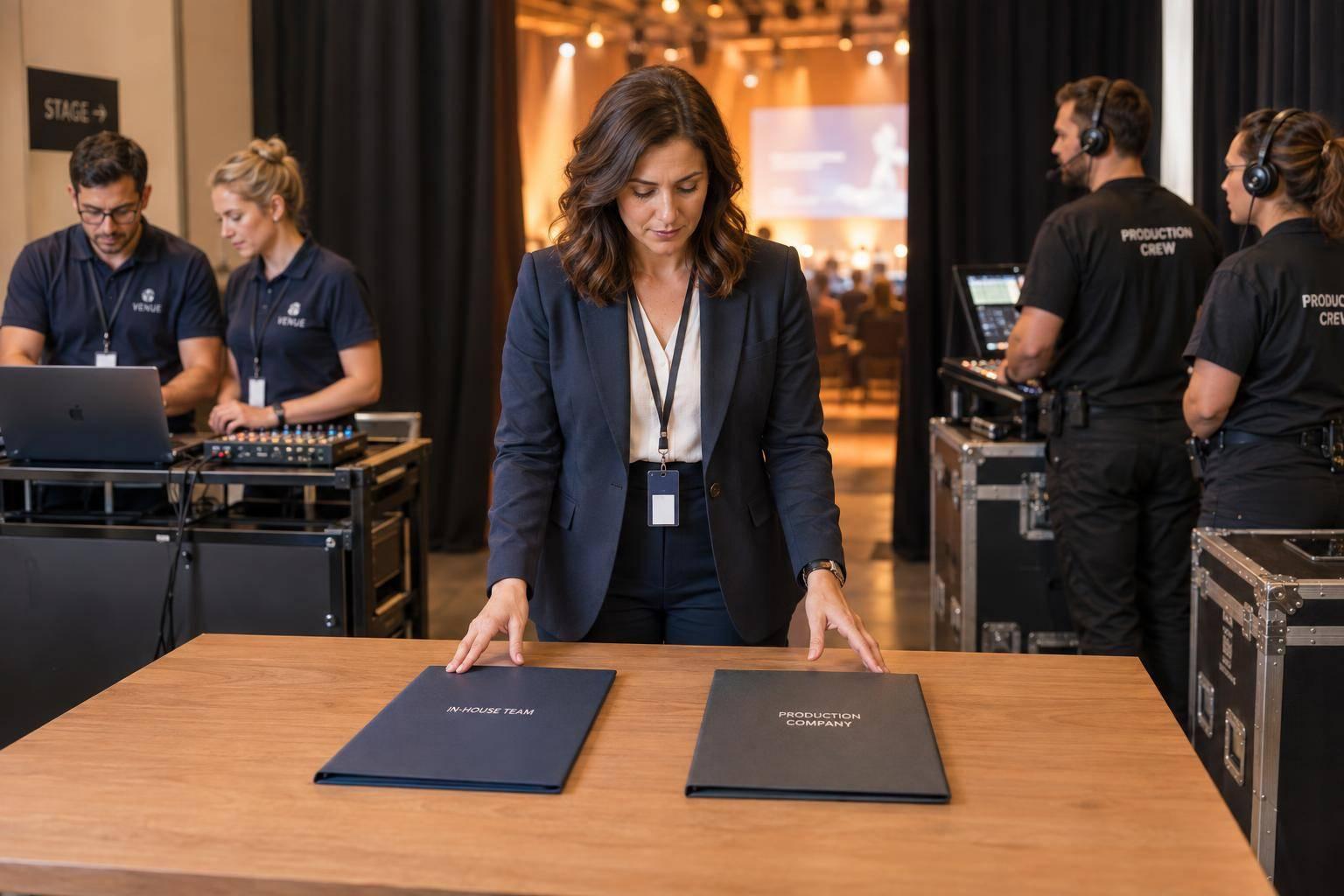
How to Run Events Like a Business: Budgeting & Ownership

Chief Executive Officer
For professionals in event planning, treating events with the same precision and strategic approach as one would manage a business is no longer optional - it’s essential. Gone are the days when events were merely seen as parties or gatherings. Today, events are integral tools for brand communication, stakeholder engagement, and organizational impact. But how can event professionals elevate their events to this level? The latest episode of the Better Events Podcast, hosted by seasoned experts Logan Clemens and Mary Davidson, dives deep into this topic, providing essential insights on how to run events like a business.
This comprehensive article breaks down the key takeaways, actionable strategies, and transformative perspectives shared during the podcast. Whether you’re a corporate executive, event planner, or marketing manager, these insights will help you ensure that your events are not just memorable but also operationally sound and impactful.
Why Events Should Be Treated Like Strategic Business Operations
One of the central themes explored in the podcast is the importance of running events like businesses. Event professionals often get caught up in the immediate logistics of planning and execution, losing sight of the larger, long-term goals. But as Mary Davidson explains, adopting a business mindset for events can:
- Ensure long-term success: Effective events live beyond the day or week they occur, serving as recurring and evolving initiatives that grow in value over time.
- Promote strategic planning: This approach encourages planners to focus on sustainable practices, repeatability, and measurable growth.
- Optimize resources: Just like businesses, events that are lean, streamlined, and efficient tend to deliver better results.
Mary draws attention to nonprofits as an example, noting how many smaller organizations approach events primarily as fundraising activities without applying solid business principles. This limits their ability to maximize the impact and longevity of their initiatives.
Logan Clemens adds that events are essentially a series of tasks and decisions that benefit greatly from clear documentation, standard operating procedures, and lessons learned. Approaching events this way creates consistency and allows for continuous improvement.
sbb-itb-ae35a94
Applying Lean Business Principles to Events
The concept of "lean" operations, rooted in the Japanese philosophy of Kaizen (continuous improvement), is particularly relevant for event planning. Mary describes lean events as those that minimize waste, optimize resources, and focus on incremental improvements over time.
How to Make Events Leaner
- Reduce Overproduction: Avoid printing excessive materials (e.g., programs, lanyards) that go unused after the event. Streamlining these processes not only saves money but also reduces waste.
- Streamline Logistics: Label supplies beforehand to avoid unnecessary back-and-forth movement during setup.
- Enhance Registration Processes: Simplify and optimize attendee check-in to improve the overall experience.
Logan echoes the importance of post-event processes as an example of lean thinking in action. By reviewing what worked and what didn’t after each event, planners can make small adjustments that yield significant improvements over time. This practice not only enhances efficiency but ensures that events continue to evolve and deliver value.
Ownership and Accountability in Event Planning
A successful event requires clear ownership over every component. One of the recurring challenges in event planning is the lack of clarity in roles and responsibilities. Without defined ownership, important tasks can fall through the cracks, jeopardizing the event’s success.
How to Assign Ownership Effectively
- Set Clear Expectations: From the proposal or contracting stage, Logan recommends specifying what the planner is responsible for versus what the client or other stakeholders must handle. For example, a planner might oversee logistics but leave speaker recruitment to the client.
- Create Trouble-Shooting Roles: Logan highlights the value of having a designated "trouble table" or point person for resolving unexpected issues, such as registration errors or missing materials.
- Define Single Points of Accountability: Mary emphasizes the importance of assigning each task or area of responsibility to a single individual. When two or more people are in charge of the same task, accountability often gets diluted.
Real-World Lessons in Ownership
Both hosts share examples of when a lack of ownership led to complications. Logan recalls an event where no one had taken final responsibility for ensuring name badges arrived on-site, resulting in a scramble when they were discovered missing. Mary shares a similar story of a disorganized checkout process at a fundraising event, where unclear roles led to inefficiencies.
The takeaway? Assigning one person to each critical task ensures accountability and prevents confusion during execution.
Budget-Driven Decision-Making: The Backbone of Event Strategy
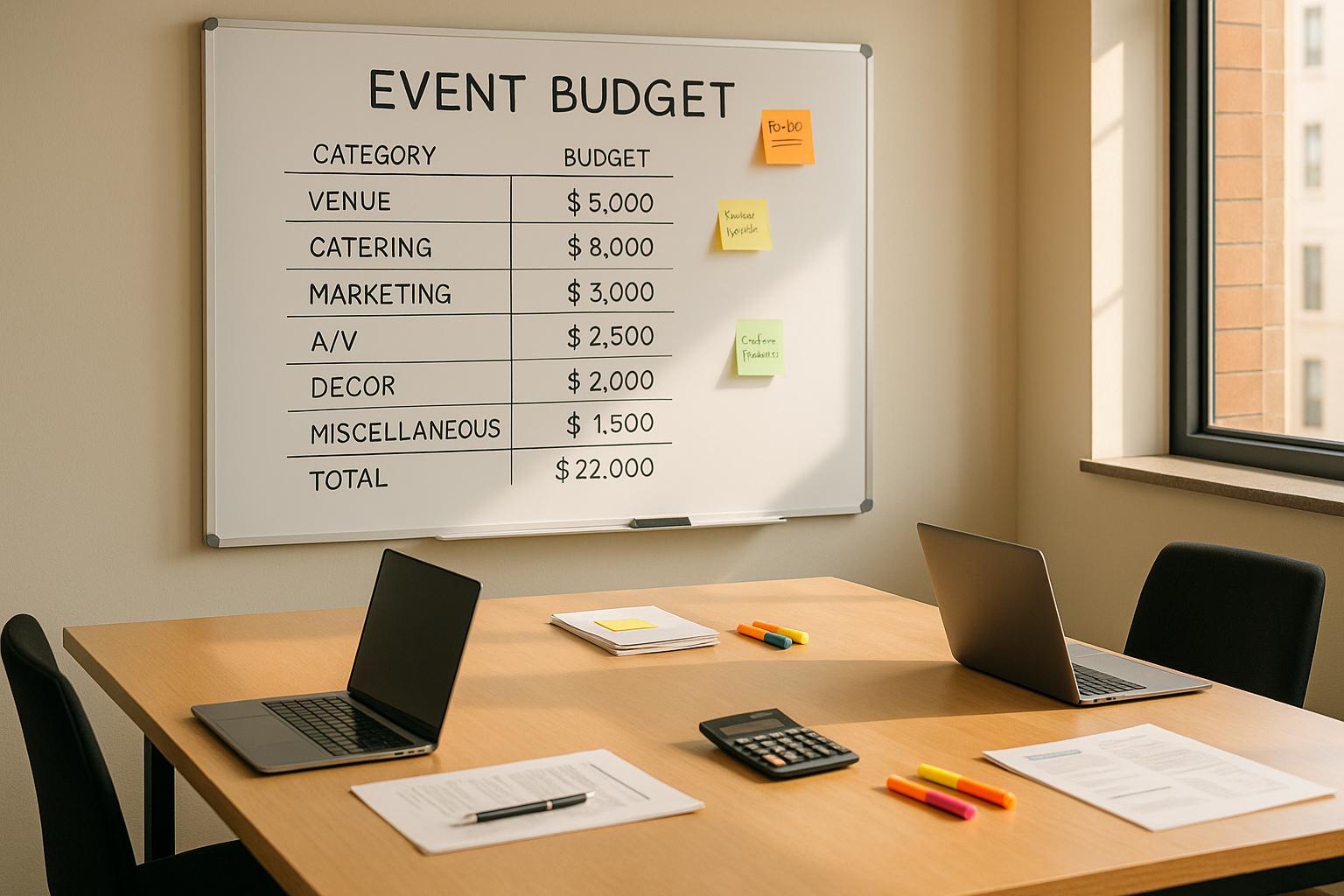
Budgets are the ultimate drivers of decision-making for events. As Logan explains, most clients operate within strict budget constraints, and planners must navigate these limitations to deliver successful events. However, budget cuts can sometimes lead to unexpected challenges, such as understaffing or negative attendee experiences.
Strategies for Budget Management
- Encourage Transparency: Clients are often hesitant to share their budgets upfront, but doing so allows planners to tailor recommendations and avoid unnecessary back-and-forth. Logan suggests providing a range, such as $10,000–15,000, to manage expectations while allowing flexibility.
- Educate Stakeholders: Clients may not fully understand the consequences of budget-driven decisions. For example, cutting food and beverage options might save money but could lead to guest dissatisfaction.
- Add a Contingency Fund: Both hosts recommend including a buffer in event budgets to account for unexpected expenses, such as overtime or additional supplies.
Measuring ROI for Events
Return on investment (ROI) is a common metric in business, but how does it translate to events? While some aspects of ROI, such as revenue versus cost, are straightforward, other metrics - like attendee satisfaction - require more nuanced measurement.
Ways to Measure Event ROI
- Revenue vs. Cost: Calculate profits by comparing ticket sales, sponsorships, and other income to expenses.
- Cost Per Attendee: Determine the overall cost divided by the number of attendees to understand the value delivered.
- Survey Feedback: Use post-event surveys to gauge attendee satisfaction and identify areas for improvement.
- Attendance Trends: Track year-over-year attendance to assess growth and engagement.
Mary notes that while some metrics are easier to calculate than others, all of them provide valuable data that can inform future events.
Key Takeaways
- Adopt a Business Mindset: Treat events as long-term strategic initiatives rather than one-off gatherings.
- Apply Lean Principles: Focus on continuous improvement, reducing waste, and optimizing processes.
- Clarify Roles and Responsibilities: Assign single points of accountability for every task to ensure ownership.
- Budget Strategically: Transparency and contingency funds are critical for effective budget management.
- Measure ROI: Use metrics like revenue vs. cost, survey feedback, and attendance trends to evaluate success.
- Streamline Processes: Implement practices such as post-event reviews and trouble tables to enhance efficiency.
- Set Clear Expectations Early: Defining who does what from the outset reduces confusion and ensures smooth execution.
Conclusion
Running events like a business requires a shift in mindset, but the payoff is immense. By embracing strategic planning, continuous improvement, and accountability, event planners can create experiences that deliver lasting value for all stakeholders. The insights shared by Logan Clemens and Mary Davidson offer a roadmap for professionals looking to elevate their events to the next level. Whether you're hosting a corporate gala, a nonprofit fundraiser, or a government conference, these principles will guide you toward success.
Source: "Ep. #227 - The Business of Events: Scaling, Budgeting, and Ownership - Better Events Podcast" - Better Events Podcast (Better Events Podcast), YouTube, Oct 15, 2025 - https://www.youtube.com/watch?v=THQRJqRHrxA
Related Blog Posts



Streamline your workflow, achieve more

Lorem ipsum dolor sit amet, consectetur adipiscing elit. Maecenas ac velit pellentesque, feugiat justo sed, aliquet felis.



Lorem ipsum dolor sit amet, consectetur adipiscing elit. Maecenas ac velit pellentesque, feugiat justo sed, aliquet felis.