3 Tips How Production Companies Manage Logistics For Dealer Meetings

Chief Executive Officer
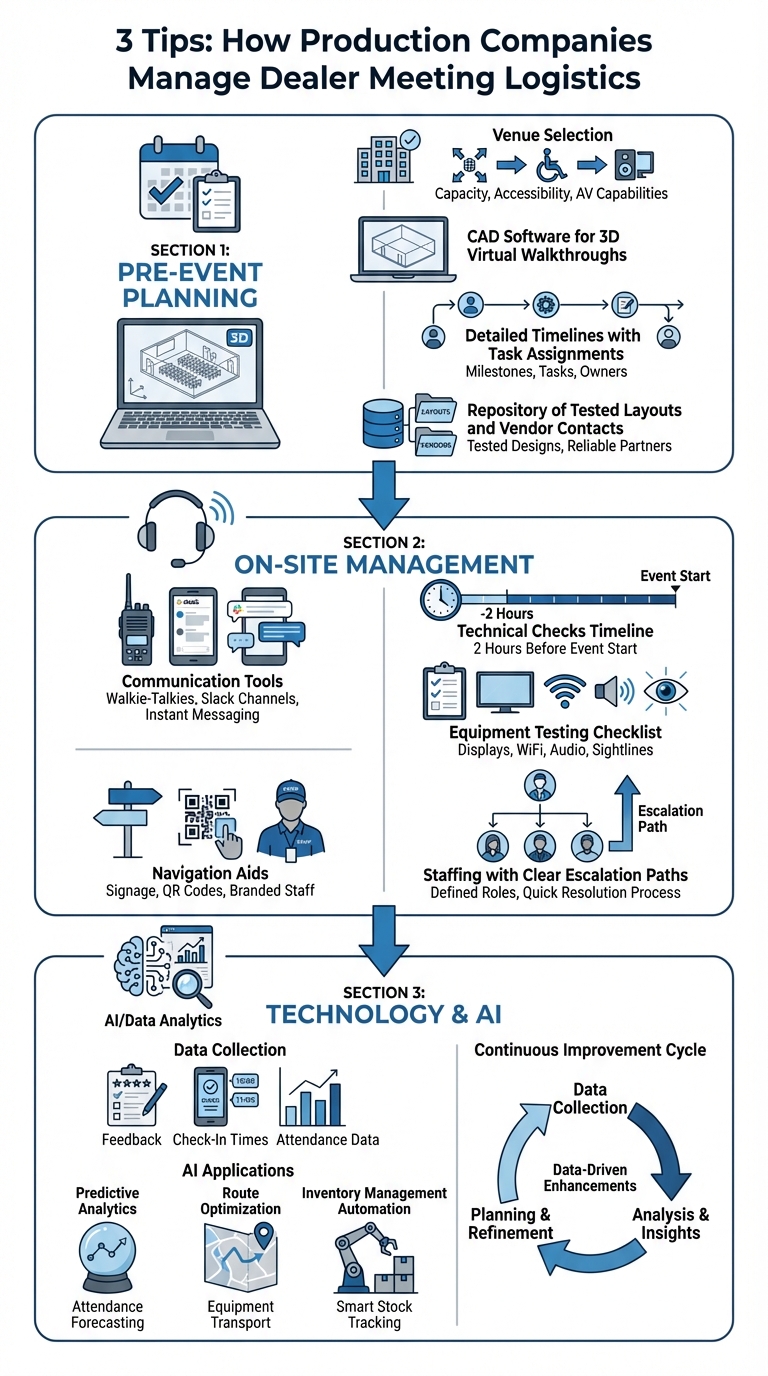
Dealer meetings are complex events requiring precise organization to succeed. Production companies play a key role in ensuring these events run smoothly by focusing on three critical areas: pre-event planning, real-time logistics management, and leveraging technology like AI and data analytics. Here's a quick overview of the strategies they use:
- Pre-Event Planning: Choose venues based on size, accessibility, and technical requirements. Use tools like CAD software for virtual walkthroughs and create detailed timelines to align all teams and vendors.
- On-Site Management: Use tools such as walkie-talkies or apps like Slack to keep communication clear. Test audiovisual and technical setups ahead of time and ensure clear signage and well-trained staff for attendee navigation.
- Technology and AI: Collect feedback and operational data to refine future events. Use AI for predictive analytics, route optimization, and inventory management to improve efficiency over time.
Production companies streamline these processes to deliver a polished experience for attendees while minimizing disruptions. Effective planning and the use of advanced tools help them tackle the unique challenges of dealer meetings with precision.
3 Key Strategies Production Companies Use to Manage Dealer Meeting Logistics
What is event production and logistics - Successful Events course #5
Planning Logistics Before the Event
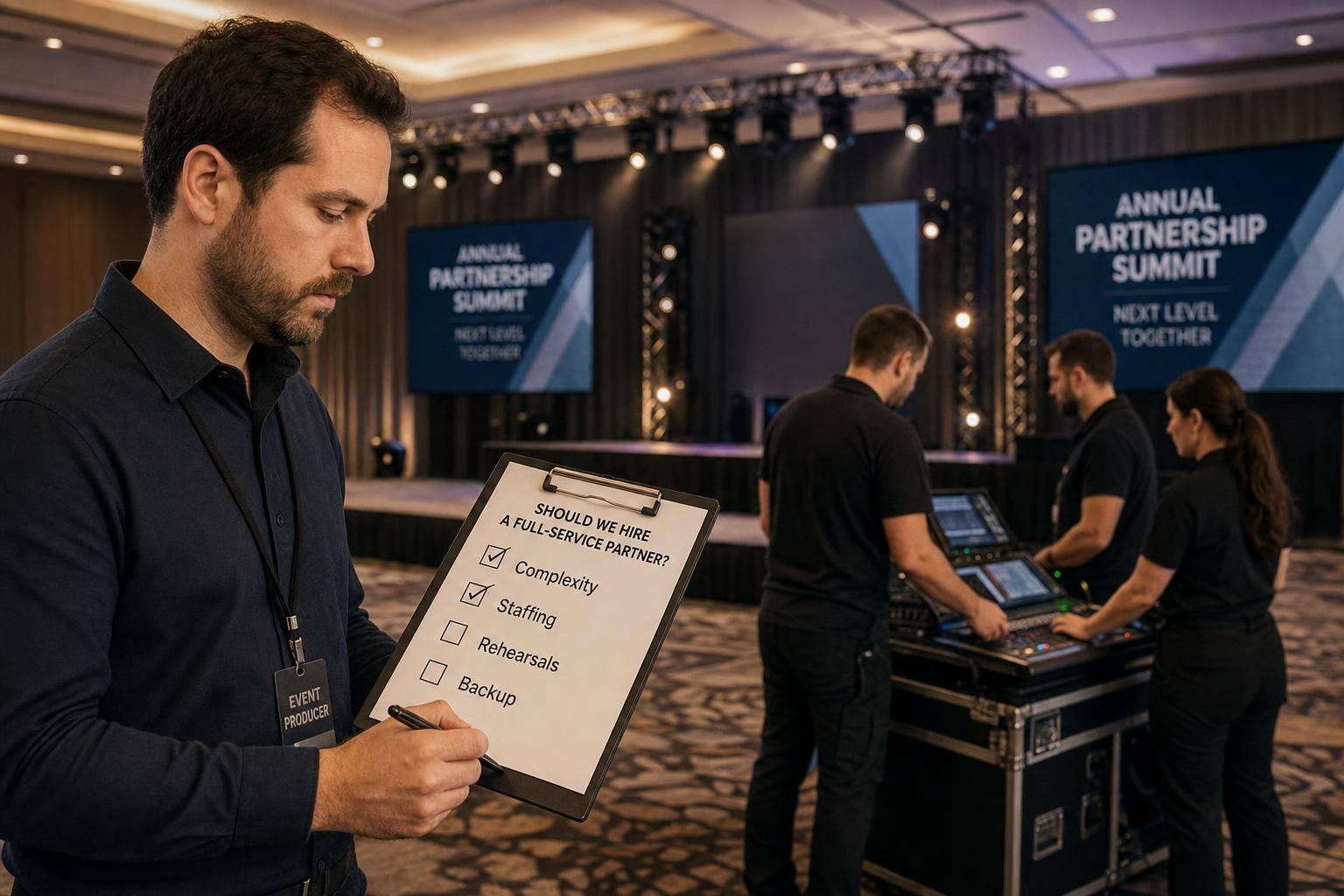
The foundation of a successful dealer meeting lies in meticulous planning, often starting weeks or even months ahead. One of the first steps is choosing a venue that fits the event's size and technical needs. This means assessing factors like capacity, ease of access, audiovisual capabilities, and catering options, all while ensuring the space is accessible for everyone. Begin with an initial walkthrough to identify potential concerns, followed by a final check the day before the event to ensure everything is ready.
Using tools like CAD layout and diagramming software can make a big difference. These allow for a 3D virtual walkthrough of the venue, helping to spot potential problems such as blocked sightlines, restricted flow, or obstructed exits before they become issues.
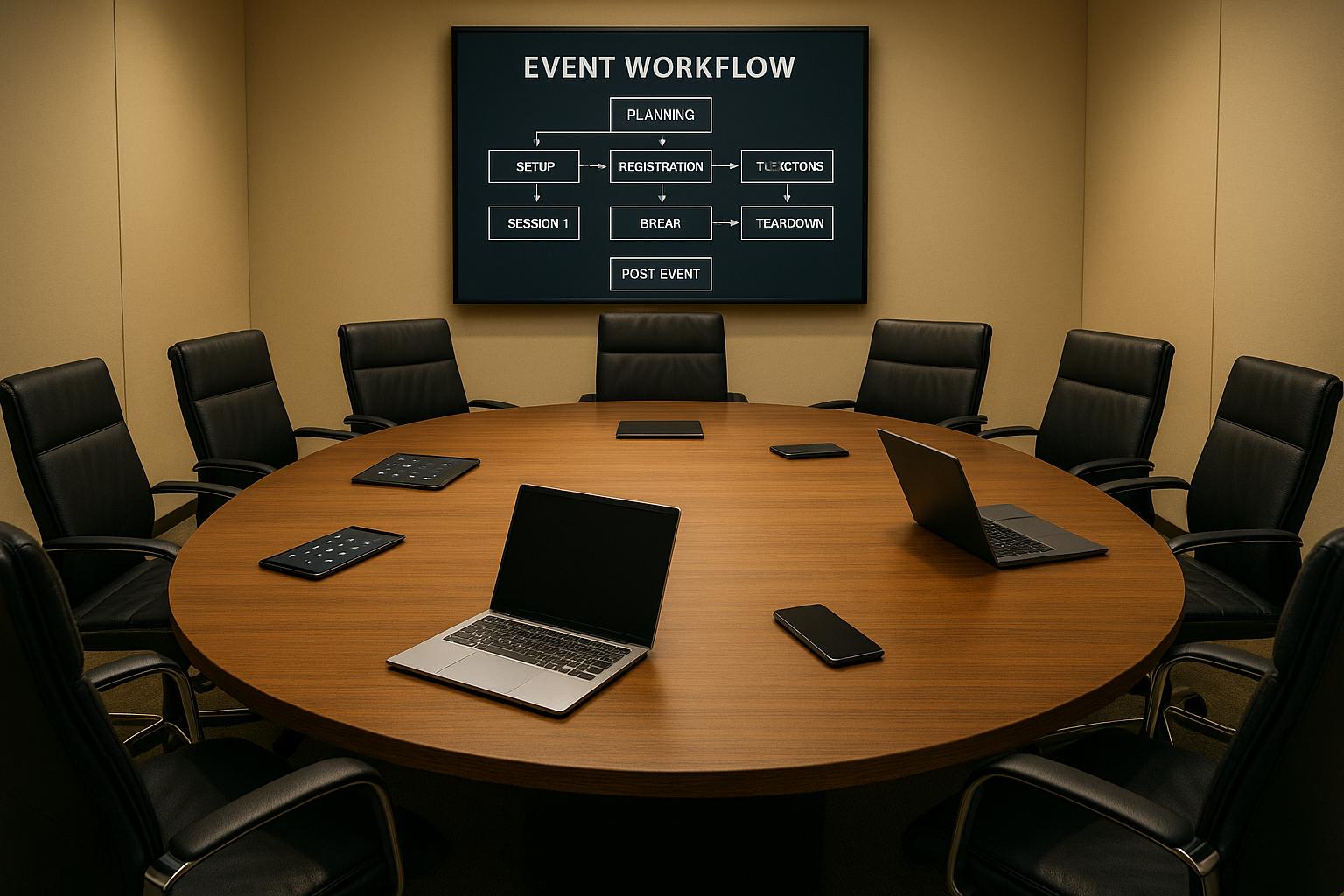
To keep everything on track, centralize your planning with detailed timelines. These should outline tasks, assign deadlines, and clearly define responsibilities for both internal teams and external vendors. Sharing this "single source of truth" ensures everyone is aligned and working toward the same goals.
It’s also helpful to maintain a repository of tried-and-tested event layouts and reliable vendor contacts. If a specific room setup worked well for a similar-sized event in the past, it can serve as a starting point for future planning. This approach not only saves time but also minimizes the chances of repeating previous errors.
Managing Logistics During the Event
Once everything is planned, the focus shifts to managing logistics in real time. During the event, production teams rely on communication tools like walkie-talkies for larger venues and apps such as Slack for seamless coordination. These tools help organize communication by creating dedicated channels for areas like vendor management, onsite staff coordination, and guest support. This setup allows teams to share updates and files instantly, keeping everyone on the same page .
As the event approaches, technical checks are a must. About two hours before the start, test all equipment - presentation displays, WiFi strength, sightlines, and audio from different points in the venue. Assign a specific team member to handle troubleshooting, ensuring any issues are addressed promptly.
Make sure attendees can navigate the venue easily. Use clear signage both inside and outside, set up rope barriers at check-in areas, and provide QR code scanners or self-service kiosks for efficient entry. Staff members in branded attire should be stationed in visible locations to assist guests as needed .
Staffing is another critical element. Calculate team needs carefully and train members to handle multiple roles if necessary. Establish clear communication channels for quick updates and define escalation paths for key areas like security, catering, and tech support. This ensures that any challenges can be addressed swiftly and efficiently .
1. Design Your Production Plan Around Dealer Experience
When planning your event, make sure every aspect is designed with the dealer experience at the forefront. Whether dealers are there to network, learn about new offerings, or simply feel appreciated, your production plan should align with these priorities to ensure their goals are met.
Start by considering how attendees will move through the venue. Walk the space yourself to pinpoint entry points, areas prone to congestion, and spots where traffic might stall. Use clear signage to guide attendees and ensure the venue meets ADA compliance standards for accessibility. Once the internal flow is mapped out, shift focus to external logistics.
Transportation is another key factor. Dealers traveling from out of town need straightforward instructions for parking, shuttle services, and other transit options. If shuttles are in use, make sure pickup times are communicated clearly, and have staff stationed at both ends to keep things organized and on schedule.
Audiovisual elements also play a big role in shaping the dealer experience. For example, at IMEX 2025, Shepard utilized a modular beMatrix system with integrated AV to create an engaging booth environment. Tailor lighting, sound, and video displays to suit your event’s goals, whether it’s showcasing a new product or hosting an intimate executive discussion.
Finally, add personalized touches that give dealers more control over their experience. For instance, Hoppier’s virtual credit card system allows organizers to preload funds for meals at local restaurants. Any unused credits are returned to the organizer, making it a flexible and thoughtful option.
sbb-itb-ae35a94
2. Centralize Communication Across All Vendors
When it comes to dealer meetings, coordinating with multiple vendors - like AV technicians, catering teams, and transportation providers - can get messy fast. Scattered communication often leads to delays, duplicated work, or even misplaced equipment.
The fix? Set up a central hub where all vendors can access the same information in real time.
For instance, SB Expos & Events uses Teamwork.com, a project management tool, to create detailed plans with clear timelines and milestones. This platform helps manage countless details while ensuring accountability across the team. They also rely on a proprietary event specifications database, which allows clients and vendors to review and edit event details in real time, cutting down on confusion and saving precious planning hours.
"Our proprietary event specifications database allows real-time review and editing by clients AND vendors to minimize confusion and save time." – SB Expos & Events
Other companies have similar systems. Freeman's Freeman Technology Suite includes tools for logistics planning, equipment tracking, and timeline management. Jack Morton takes it a step further with RFID-based tracking, which prevents equipment losses while providing live updates. For hybrid dealer meetings, CPG Agency integrates streaming technology and virtual engagement tools, ensuring tech vendors stick to schedules and meet platform requirements.
The key is to establish a centralized dashboard early in the planning process. Use it to define roles, set deadlines, and streamline updates. This approach eliminates endless email threads, reduces errors, and ensures everyone stays on the same page.
Once your communication hub is in place, you can shift your focus to using advanced analytics to fine-tune your logistics even further.
3. Use Data and AI to Improve Logistics Over Time
Pulling off a successful dealer meeting is a win, but the real magic happens when you take what you’ve learned and make the next event even better. That’s where data and AI come into play - they help refine the process and drive smarter decisions over time.
Start by focusing on the right metrics. Pay attention to attendee feedback, operational details like check-in times and session attendance, and vendor performance. For instance, one production company reviews attendee behavior, session popularity, and engagement levels after every event to fine-tune their approach for future productions. This type of data acts as a guide, shaping better decisions and setting the stage for AI to step in and enhance future events.
AI takes this data and turns it into actionable insights. Predictive analytics can forecast attendance trends, resource needs, and material requirements with impressive accuracy. Tools like route optimization software can pinpoint the best paths for transporting equipment and staff, factoring in real-time traffic and weather updates. On top of that, inventory management systems automate supply tracking, ensuring everything you need is ready to go when it’s time.
What makes AI even more powerful is its ability to act autonomously. Unlike traditional AI that simply makes suggestions, agentic AI can execute tasks on its own, continuously improving logistics without requiring constant supervision. This has already been shown to cut operational costs significantly.
To get started, identify your major logistical pain points - whether it’s equipment delays, budget overruns, or managing attendee flow. Then, deploy AI tools specifically designed to tackle those issues. Make sure your data is accurate and easy to access, partner with trusted AI providers, and stay adaptable. Over time, you’ll build a system that learns and evolves with every event.
Using Data and AI for Better Logistics
AI-driven data tools are taking logistics for dealer meetings to a whole new level. By integrating everything into unified platforms, AI eliminates the need for juggling multiple tools, simplifying tasks like registration, content creation, and real-time management. These all-in-one systems allow teams to access a variety of AI models and automation tools from a single dashboard, making processes smoother and more efficient.
Take prompts.ai as an example. This platform consolidates access to over 35 AI models, cutting costs and boosting team productivity by as much as ten times. Frank Buscemi, CEO & CCO, shared how this tool has revolutionized his approach:
"Built his career crafting global brand stories across every medium imaginable. Today, he uses Prompts.ai to streamline content creation, automate strategy workflows, and free up his team to focus on big-picture thinking - while still keeping his creative edge sharp."
AI workflows don’t just simplify operations; they also prioritize data security. These systems comply with SOC 2 Type II, HIPAA, and GDPR standards, ensuring sensitive information stays protected. On top of that, flexible pricing plans make enterprise-grade automation more accessible. For example, registration systems can seamlessly integrate with tools like Slack and Gmail, automating follow-ups and updates without requiring manual effort. Content management becomes more collaborative too, with features like shared workspaces, side-by-side AI output comparisons, and interactive whiteboards helping teams create polished materials together.
Conclusion
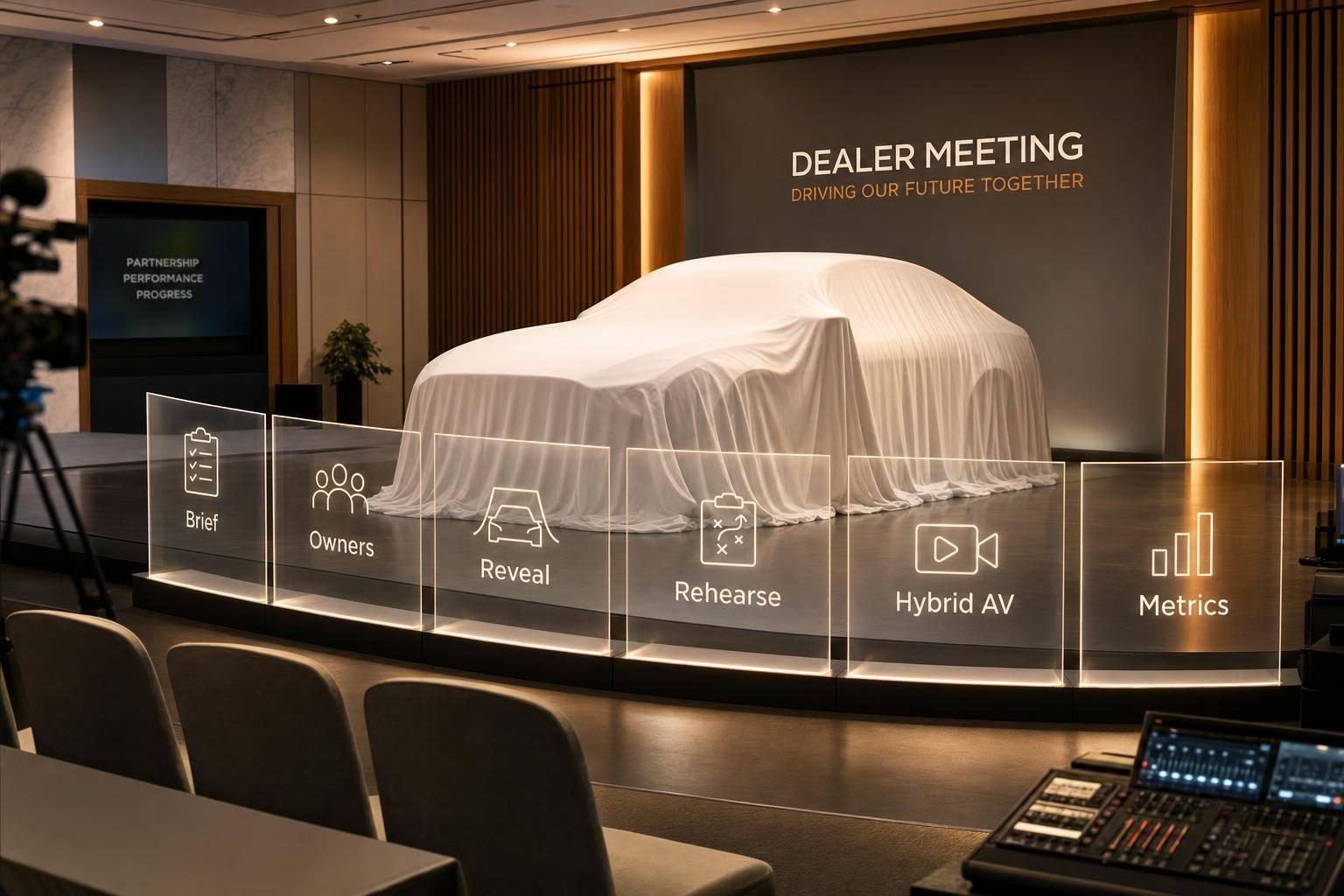
Pulling off a successful dealer meeting comes down to three core elements: thorough planning, seamless coordination, and smart use of technology. These steps, discussed earlier, form the backbone of effective event management.
Planning tools take the heavy lifting out of tasks like registration, budgeting, and vendor management. Some even offer virtual venue walkthroughs to flag potential issues before they become problems. This groundwork not only saves time but also minimizes those dreaded last-minute hiccups.
Once the event is underway, smooth on-site coordination is essential. Clear communication, well-defined roles, and real-time updates ensure everyone stays on the same page. Regular check-ins with the team can make all the difference in keeping things running smoothly.
Technology, especially AI, has become a game-changer. It can personalize attendee experiences, provide real-time decision-making support, and even simplify post-event analysis. From creating content to evaluating success, these tools make the entire process more efficient and impactful.
FAQs
How does AI improve logistics management for dealer meetings?
AI brings a new level of efficiency to logistics management for dealer meetings. It can anticipate potential delays, suggest quicker delivery routes, and offer real-time shipment tracking - making sure everything shows up when and where it’s needed. On top of that, AI supports demand forecasting, helping organizers allocate resources more effectively while cutting unnecessary costs.
By automating intricate logistical tasks, AI minimizes errors and simplifies the entire process. This not only makes life easier for event organizers but also ensures a flawless experience for attendees, leaving them with a positive and memorable impression.
What are the best tools for effective real-time communication during events?
Effective real-time communication during events hinges on having the right tools and easy-to-use platforms. Some essentials include high-quality AV equipment for smooth presentations, live streaming platforms to engage remote participants, and event management apps that offer instant messaging for quick updates and collaboration.
With these tools, you can keep everyone in the loop - whether you're coordinating with your team or interacting with attendees - helping your event stay organized and run without a hitch.
How do production companies make venues easy to navigate and accessible for all attendees?
Production companies focus on making venues welcoming and easy to navigate for everyone, including individuals with disabilities, by choosing spaces that meet ADA compliance standards. To help attendees move through the venue effortlessly, they implement clear, well-placed signage and intuitive floor plans. On top of that, they streamline transportation and parking arrangements to ensure smooth arrivals and departures, aiming to make the entire experience as stress-free as possible.
Related Blog Posts
- Meeting Production Company
- Who are the leading providers of dealer meeting production?
- 10 Services Production Companies Provide for Your Next Dealer Meeting or Conference
- 4 Meeting Production Companies That Excel At Seamless AV (audio/video), Lighting, and Stage Design for Corporate Conferences, and events


Streamline your workflow, achieve more

Lorem ipsum dolor sit amet, consectetur adipiscing elit. Maecenas ac velit pellentesque, feugiat justo sed, aliquet felis.



Lorem ipsum dolor sit amet, consectetur adipiscing elit. Maecenas ac velit pellentesque, feugiat justo sed, aliquet felis.