Top-Tier Event Production Teams Specializing In Full AV, Lighting, Staging, and Production

Chief Executive Officer
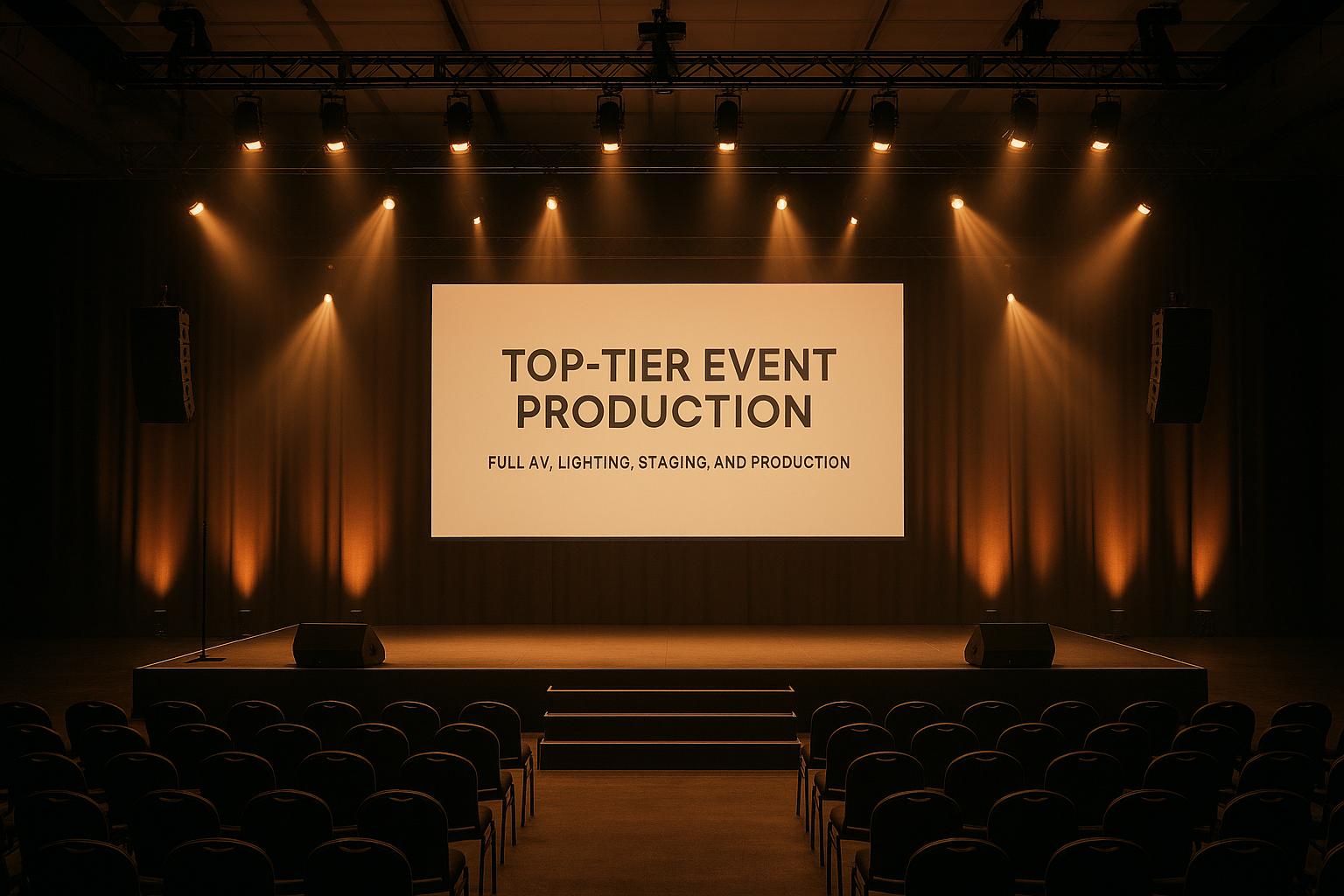
When planning a corporate event, the technical execution can make or break the experience. Full-service event production teams handle all aspects - audio, video, lighting, staging, and more - so everything works together seamlessly. Instead of managing multiple vendors, you work with one team from start to finish, simplifying the process and ensuring a polished result.
Key Takeaways:
- What They Do: Provide audio systems, video projection, lighting design, stage construction, scenic elements, live streaming, and more.
- Why It Matters: A single team managing all technical aspects reduces miscommunication and ensures everything runs smoothly.
- Top Example: Corporate Optics, led by Emmy Award-winning Steven P. Simmons, excels in delivering high-quality event production services across industries.
How It Works:
- AV Systems: Includes microphones, speakers, projectors, LED walls, and content management.
- Lighting Design: Sets the mood with LED fixtures, moving lights, and theatrical effects.
- Staging & Scenic Design: Creates immersive environments with rigging, truss systems, and projection mapping.
- Production Management: Oversees planning, rehearsals, live execution, and post-event wrap-up.
Choosing the Right Team:
- Define your event's goals and budget.
- Evaluate vendors’ experience, reviews, and technical capabilities.
- Look for teams that integrate AI tools for efficiency and real-time adjustments.
Partnering with a professional event production team ensures every detail is handled, leaving you free to focus on your event's purpose. Corporate Optics is a standout choice for delivering flawless event execution.
📡 Behind the Scenes: Pro AV Setup for 3-Day Corporate Conference #AxientDigital #YamahaDM7
Core Services from Professional Event Production Teams
Professional event production teams bring together various technical disciplines to create events that run smoothly and leave lasting impressions. From audio and video systems to lighting and staging, these teams ensure every component works in harmony to deliver a seamless experience.
AV System Design and Execution
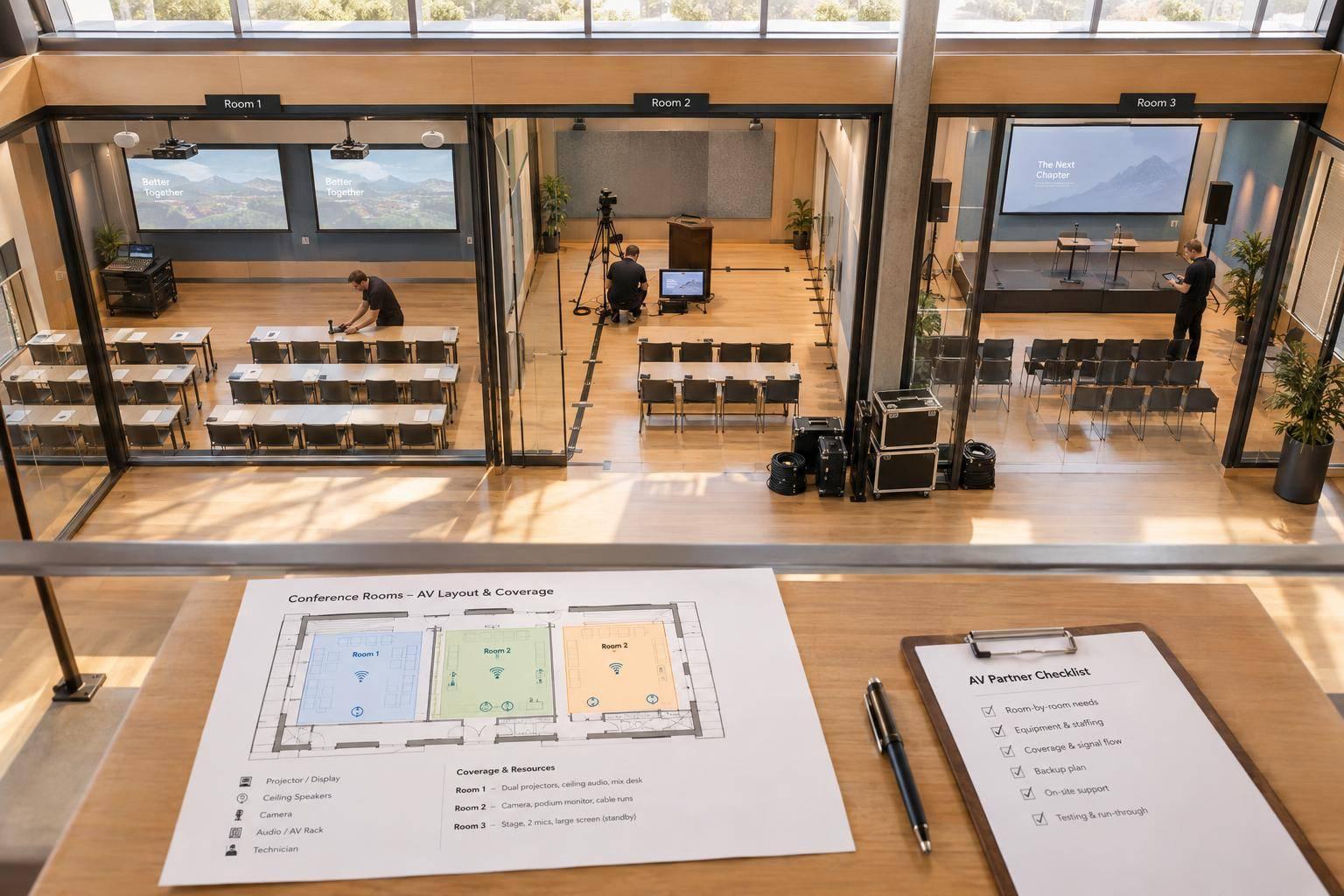
Audio system design involves selecting and managing tools like lavalier microphones, wireless handheld microphones, audio consoles, and speakers. Audio engineers, often referred to as A1 and A2, handle everything from setting audio levels to coordinating wireless microphone frequencies. They also manage crew communications to ensure every message is heard clearly throughout the venue .
Video system design focuses on elements such as projectors, screens, LED walls, cameras, and stage direction. Graphics operators manage presentations and graphic content, while teleprompter operators ensure speakers maintain natural eye contact with the audience. Bright projectors and crisp screens ensure visuals remain clear, even in large venues .
Content management is the backbone of visual delivery, ensuring all presentations, graphics, and videos are organized and integrated smoothly throughout the event. This meticulous coordination lays the groundwork for lighting and scenic design to shine.
Lighting Design for Corporate Events
Lighting design plays a pivotal role in shaping the event's atmosphere. It’s not just about illuminating the space - it’s about crafting a visual story. Designers use a mix of lighting types, including LED fixtures, strobes, theatrical lights, uplighting, and textured designs, to create the desired mood for everything from executive speeches to entertainment segments .
Balancing technical precision with artistic flair, lighting designers consider factors like color, coverage, and intensity to align with the event’s goals . Advanced technologies, such as moving lights and high-powered beams, are often employed to reinforce branding and event themes visually . As Advanced Staging Productions puts it:
"Creative design + engineering synergy: we don't just 'rent gear,' we integrate storytelling through tech".
By blending creativity with technology, lighting becomes a tool for delivering unforgettable, on-brand experiences .
Staging and Scenic Design
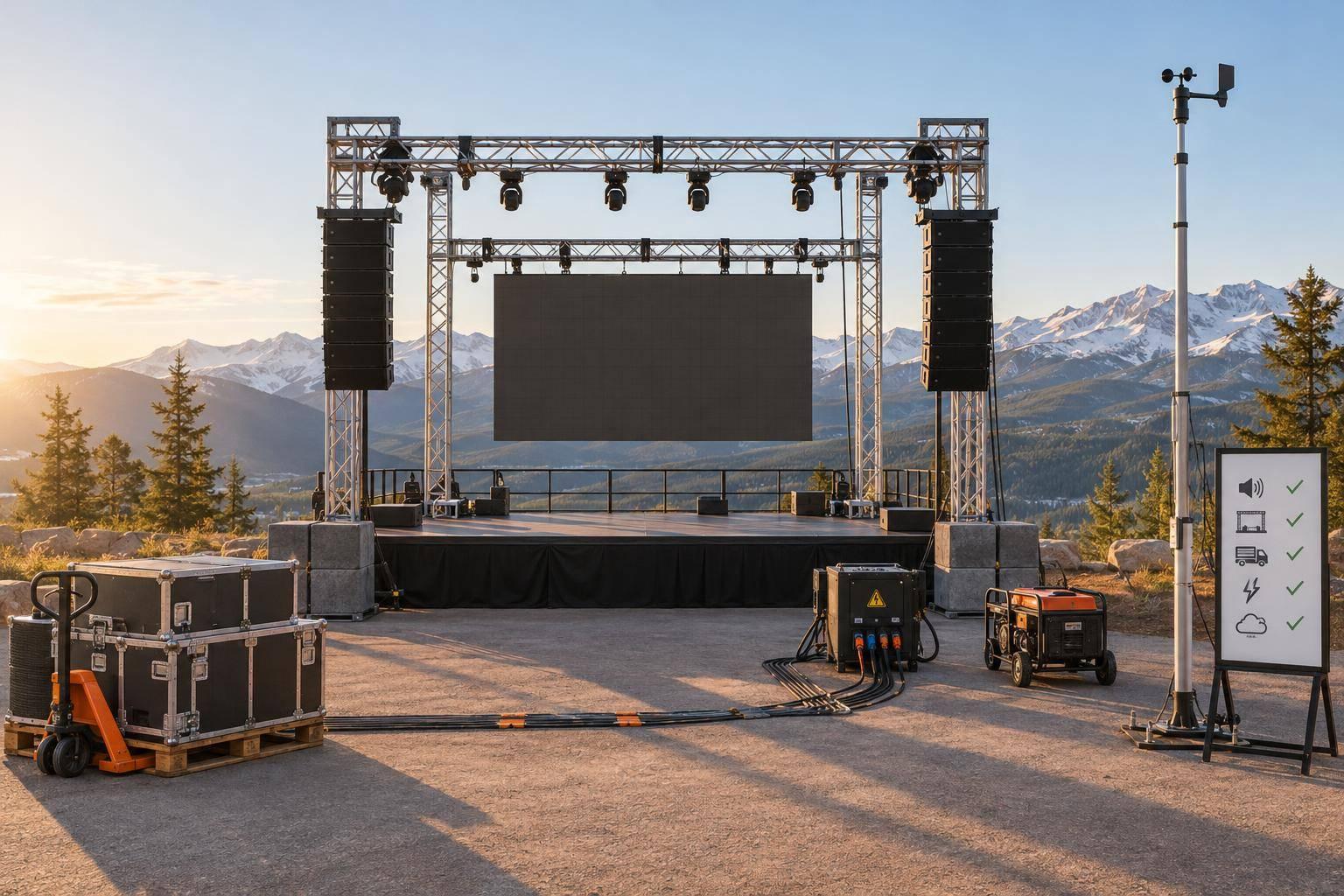
Staging provides the physical framework for events, while scenic design transforms spaces into immersive environments that reflect the event’s purpose and branding. Rigging and truss systems are carefully engineered to support lighting, video, and scenic elements, ensuring safety and adaptability to different venues.
Scenic design works hand in hand with lighting and video - like LED walls and projection mapping - to create dynamic visuals that enhance the event’s message. For instance, during Ghost's World Tour in December 2025, PRG delivered a massive setup featuring 136,000 lbs. of rigging, 800 moving lights forming the iconic Grucifix, and 400 LED tiles. Similarly, UMass Memorial Health’s Hope & Healing event received glowing feedback:
"The room was absolutely beautiful and the acoustics, the video screens etc. just fabulous".
These examples highlight how scenic design, when combined with AV components, can elevate the overall experience. Professional teams also ensure all staging and scenic elements meet fire codes and ADA requirements, blending functionality with compliance.
Production Management and Showcalling
Production management covers every phase of the event, from initial planning and rehearsals to live execution and post-event analysis. Technical directors oversee all aspects, ensuring equipment is set up, optimized, and ready to perform without a hitch .
A single team handles all technical details, which is crucial for large-scale corporate events. PRG exemplifies this approach by turning creative visions into technical realities, helping clients connect deeply with their audiences. Andrea Aparicio-Noyola, reflecting on the 53rd Conference of The Americas, shared:
"Their hard work helped our vision come alive for the stage".
To account for unexpected challenges, production teams incorporate contingency plans with backup systems, ensuring events proceed smoothly no matter what obstacles arise.
How to Choose an Event Production Partner
Selecting the right event production partner is key to ensuring your event runs smoothly and meets the highest standards. A reliable partner should seamlessly handle AV, lighting, staging, and production, aligning with your event's goals. According to industry research, 67% of event organizers cite technology as a significant hurdle in delivering seamless experiences. This makes finding a team that can manage technical complexities while staying true to your vision essential.
Define Your Event Requirements and Budget
Start by clearly outlining your event's objectives, scope, and audience. Is your event live, virtual, or hybrid? Each format comes with its own technical demands. For example, a 500-person leadership conference with live streaming will need different resources compared to an intimate executive dinner with presentation support.
Budget clarity is crucial. Request detailed quotes and discuss pricing models upfront. Ask potential partners about their flexibility in working within your budget and their ability to tailor solutions to your needs. Keep in mind that costs can vary based on the event's size, venue location, and unique requirements. Once you’ve nailed down your objectives and budget, it’s time to evaluate potential partners’ expertise.
Assess Vendor Experience and Capabilities
With your requirements in hand, take a close look at each vendor's track record. Check customer reviews, request references, and see if they’ve earned any industry awards or recognition for their work. Make sure they’ve successfully managed events similar in type, scale, and industry to yours.
The best teams offer a full suite of services, covering everything from audiovisual production to lighting, staging, scenic design, and production management. They should also stay updated on the latest technology trends. Pay attention to their responsiveness, communication, and organizational skills throughout the planning process. Don’t forget to confirm they have solid contingency plans for unexpected challenges.
Using AI and Data in Event Production
Event production is increasingly benefiting from artificial intelligence. AI tools can assist with agenda planning, audience analytics, and operational efficiencies, all of which enhance the attendee experience. By tapping into AI-driven insights, production teams can make real-time adjustments, personalize experiences, and streamline workflows. This use of data not only improves efficiency but also allows for more adaptable and responsive event execution.
sbb-itb-ae35a94
Event Planning Tools and Frameworks
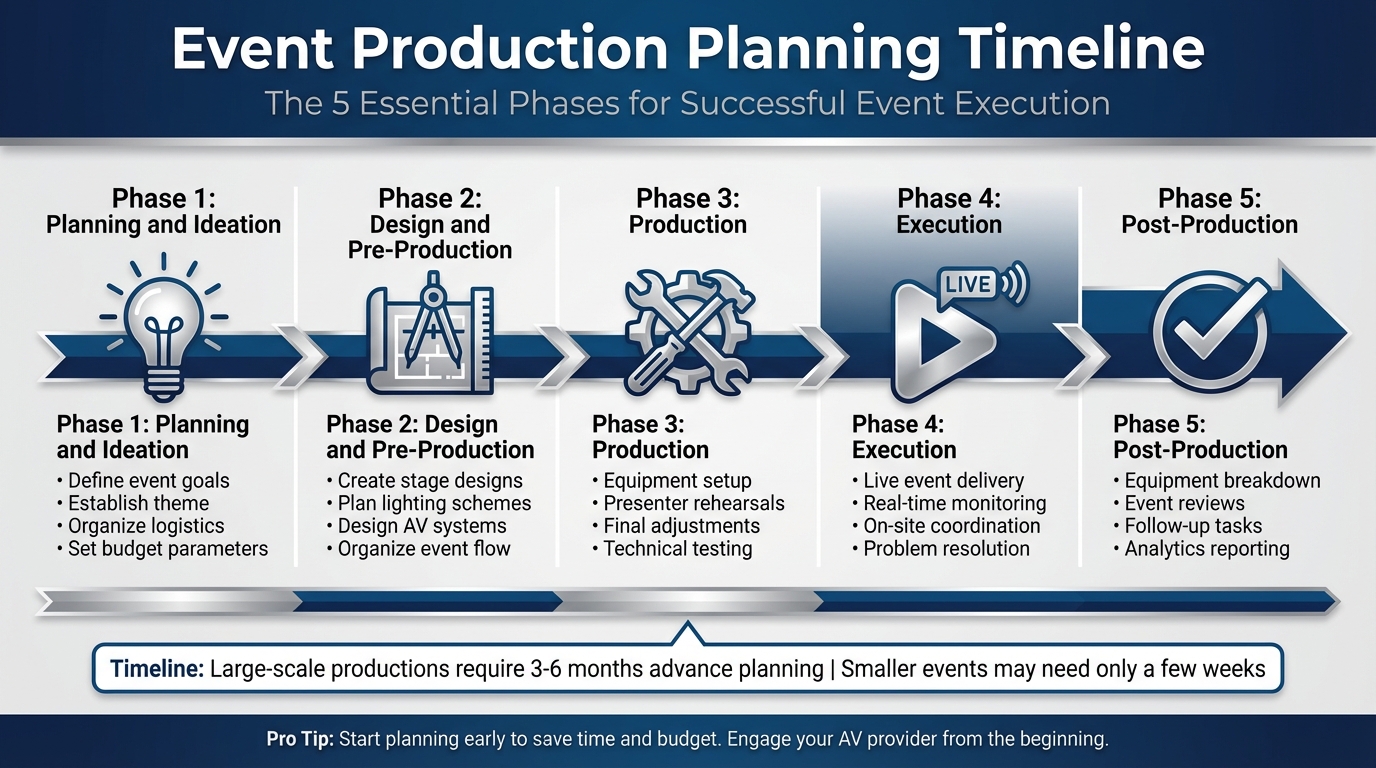
Event Production Planning Timeline: 5 Phases from Concept to Completion
In the world of full-service event production, having the right planning tools and frameworks is key to managing every detail and ensuring everything runs smoothly.
Event Planning Timeline
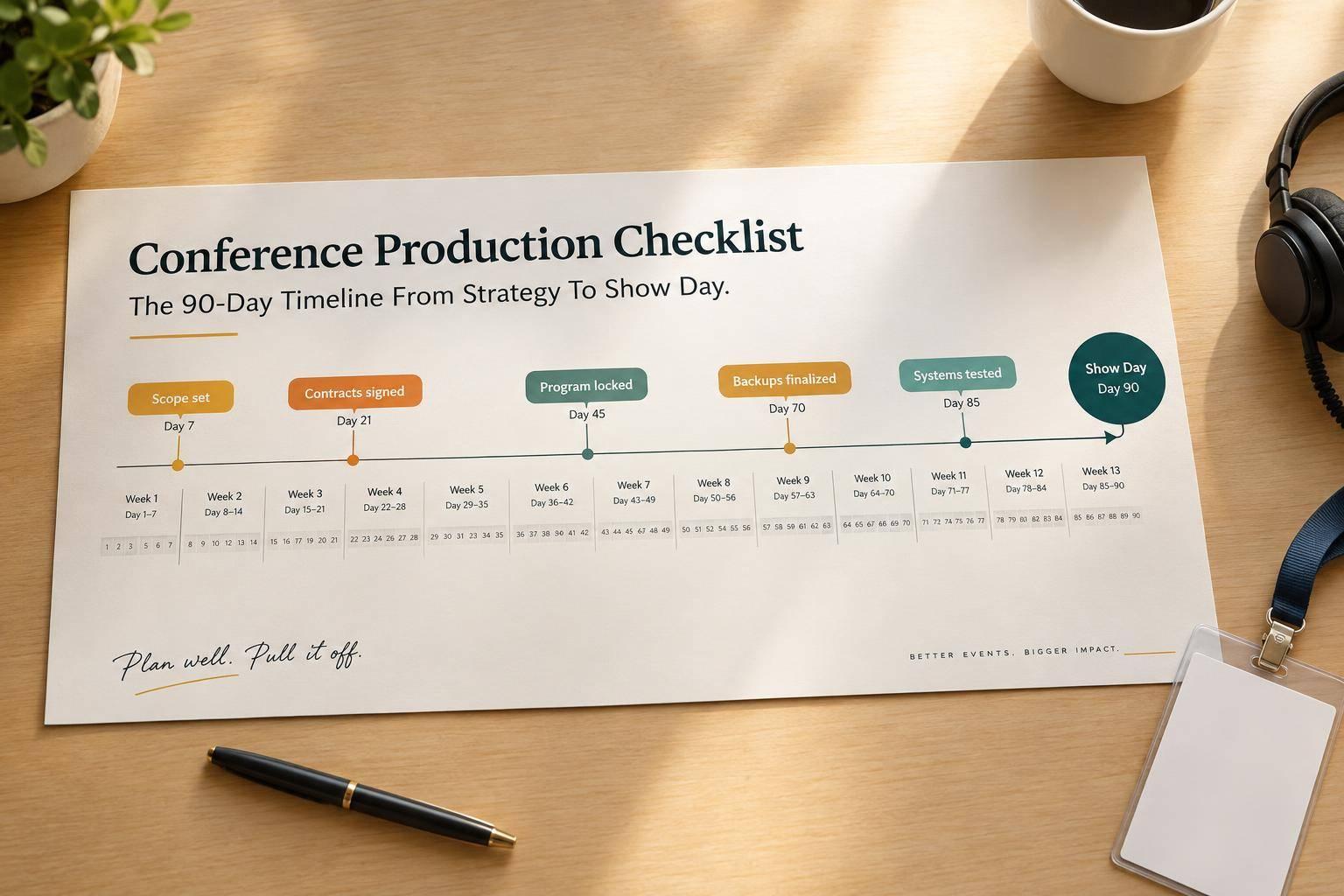
For large-scale productions, plan 3–6 months in advance, while smaller events might only require a few weeks of preparation. Starting early not only saves time but also helps you stay within budget. As Clarity Experiences points out:
"You can save on both your time and your budget if you start planning as soon as possible. Bonus if you lean on your AV provider early on in the process to help you with your planning needs".
Divide your timeline into five main phases:
- Planning and Ideation: Define your event's goals, theme, and logistics.
- Design and Pre-Production: Focus on creating stage, lighting, and AV designs while organizing the flow of the event.
- Production: Set up equipment, hold presenter rehearsals, and make final adjustments.
- Execution: This is the live event when all the planning comes to life.
- Post-Production: Wrap things up with equipment breakdown, event reviews, and follow-up tasks.
Technical and Production Checklists
Once your timeline is set, detailed checklists help ensure no critical detail is missed. Here are some key areas to cover:
- Technical Setup: Include power distribution, rigging, network connectivity, staging, and equipment functionality.
- Speaker Preparation: Schedule technical rehearsals, review presentation content, check microphones, and set up confidence monitors.
- Broadcast Readiness (if streaming): Test your platform, coordinate multi-camera setups, prepare for video switching, mix audio separately for remote viewers, and establish recording protocols.
These checklists also serve as a foundation for anticipating and addressing potential challenges.
Risk Management and Contingency Planning
Even with thorough planning, unexpected issues can arise. A solid risk management strategy ensures you're prepared. Technical failures, for example, can disrupt even the most carefully planned events. That’s why redundancy is crucial. As Alliant Events explains:
"We bring backup plans for our backup plans, and our experienced team is always ready to guarantee everything runs perfectly".
Schedule comprehensive technical rehearsals to catch problems before they occur. Partner with vendors who use certified technicians for specialized tasks and provide high-quality, dependable equipment. The most reliable production teams anticipate issues ahead of time, ensuring your event stays on track through proactive measures and skilled execution.
Conclusion
Creating a standout corporate event takes more than just good intentions - it requires precision, creativity, and seamless execution. Professional teams bring together audiovisual design, lighting, staging, and show calling to ensure every technical element works in perfect sync. This cohesive approach minimizes miscommunication, reduces errors, and delivers an event where every detail aligns flawlessly - a process we've explored throughout this guide.
What truly sets a memorable event apart is expertise. Skilled professionals turn ideas into immersive experiences, combining creativity with meticulous attention to detail. By partnering with such experts, you can transform your event into something unforgettable.
Beyond their technical skills, the right production team provides peace of mind. They handle the intricate logistics, allowing you to focus on your event's goals. Their ability to solve problems proactively and address unexpected challenges ensures that you remain focused on what matters most.
This is where Corporate Optics shines. Specializing in full-service event production, they offer solutions that cover audiovisual design, scenic and lighting production, speaker support, live streaming, and post-event analytics. Whether it's a corporate event, leadership conference, award ceremony, or large-scale production, Corporate Optics ensures seamless execution and impactful experiences. When flawless execution is non-negotiable, partnering with experienced professionals makes all the difference.
FAQs
What are the advantages of hiring a full-service event production team?
Hiring a full-service event production team takes the stress out of planning and ensures everything runs smoothly. These professionals handle every aspect of your event - like audiovisual setups, lighting, staging, and production - so you can concentrate on what matters most: achieving your event goals.
By working with a single team, you’ll enjoy simplified communication, fewer vendor headaches, and potential cost advantages through bundled services. Their technical know-how guarantees everything goes off without a hitch, while their unified approach ensures your event leaves a lasting impression on your guests.
How do AI tools improve efficiency in event production?
AI tools have transformed event production, making the process faster and more efficient. By automating repetitive tasks - like fine-tuning lighting or sound settings - and offering real-time data analysis, these tools enable quick, informed decision-making. They also simplify planning and logistics through virtual collaboration platforms, cutting down on time and minimizing mistakes.
Beyond logistics, AI boosts audience engagement by delivering personalized content and crafting interactive experiences tailored to individual attendees. The result? Smoother operations, smarter use of resources, and events that leave a lasting impression.
What should I look for when selecting an event production team?
When selecting an event production team, prioritize their experience and skillset in managing events like yours. A team that provides a comprehensive suite of services - such as audiovisual (AV) solutions, lighting, and staging - can help ensure everything runs smoothly from start to finish.
Take time to evaluate their reputation by reading client reviews and seeking references. Don’t forget to ask about their contingency plans - how they handle unexpected challenges can make all the difference. The right team will combine cutting-edge technology, a proven track record, and a collaborative mindset to bring your event vision to life.
Related Blog Posts
- Type of Events Corporate Production Companies Specialize In
- Leading Event Marketing & Production Companies
- Top Production Companies To Work With For Organization's Annual Conference
- 4 Meeting Production Companies That Excel At Seamless AV (audio/video), Lighting, and Stage Design for Corporate Conferences, and events


Streamline your workflow, achieve more

Lorem ipsum dolor sit amet, consectetur adipiscing elit. Maecenas ac velit pellentesque, feugiat justo sed, aliquet felis.



Lorem ipsum dolor sit amet, consectetur adipiscing elit. Maecenas ac velit pellentesque, feugiat justo sed, aliquet felis.