5 Tips To Ensure Positive ROI From Your Virtual Broadcast

Chief Executive Officer
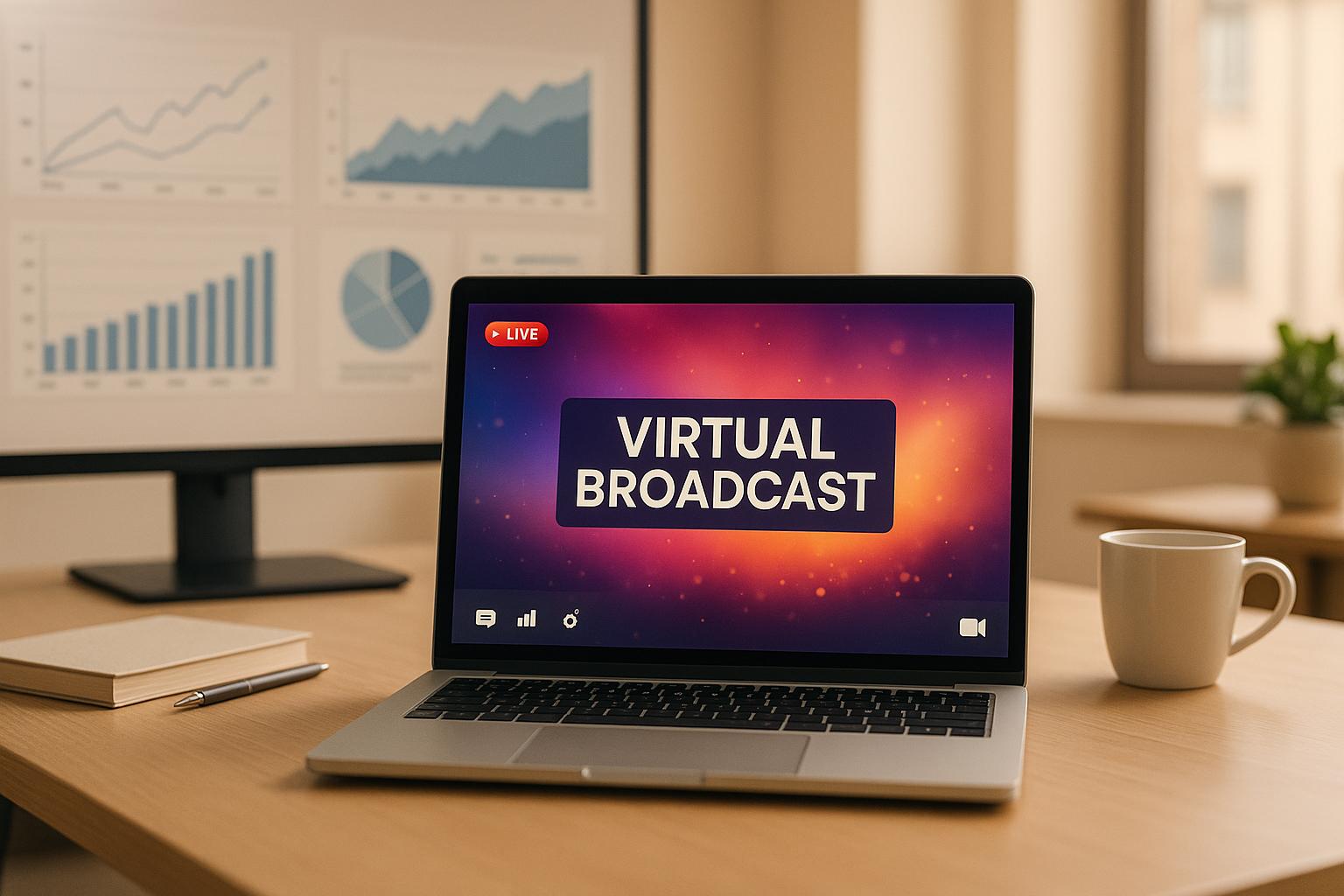
Virtual broadcasts are no longer just an alternative - they’re a powerful way to reach large audiences efficiently. But achieving a positive return on investment (ROI) requires careful planning and smart execution. Here's how you can make your virtual events more impactful while keeping costs under control:
- Invest in budget-friendly tech: Select tools that meet your needs without overspending.
- Engage with better content delivery: Use interactive formats like live Q&A, breakout rooms, and polls to keep audiences interested.
- Leverage AI tools: Personalize attendee experiences with recommendations, real-time adjustments, and tailored follow-ups.
- Track key metrics: Monitor registration, engagement, and lead generation to measure success.
- Optimize production: Plan schedules, allocate resources wisely, and rely on expert tech support.
Tips for Driving ROI Before, During, and After your Virtual Events
Choose Budget-Friendly Technology Solutions
The technology you select can significantly impact your virtual broadcast budget. While it’s tempting to assume that pricier equipment guarantees better results, that’s not always the case. Cost-effective tools can deliver professional-grade outcomes when chosen wisely. Instead of chasing the most expensive options, focus on aligning your tech setup with your event’s goals and audience size. Striking a balance between quality and affordability is key. By doing so, you can choose AV systems and streaming platforms that meet both your production needs and financial constraints.
Pick the Right AV and Streaming Platforms
Your broadcast’s audiovisual setup plays a crucial role in both its quality and cost management. High-quality doesn’t have to mean high-cost - it’s about selecting equipment that fits your specific needs.
Start by evaluating what your event actually requires. For instance, the AV setup for a small internal meeting will differ greatly from that of a large-scale product launch. Similarly, your streaming platform should not only support your current audience size but also offer room for future growth, without burdening you with unnecessary features or costs.
Consider the total cost of ownership. This includes not just the upfront price of equipment but also expenses for setup, support, and troubleshooting. Sometimes, a slightly more expensive option with solid support can save you money in the long run by avoiding costly issues down the line.
Keep an eye on concurrent viewer fees to ensure they align with your budget and ROI expectations. By matching your technology choices to your performance goals, you can maximize the return on your investment.
Finally, look for scalable solutions that can grow alongside your audience and event needs.
Use Scalable Technology for Flexibility
Scalable technology offers a smart way to manage costs while ensuring your setup can handle evolving demands. These solutions grow with your audience, eliminating the need for frequent overhauls. This is particularly useful if you host multiple events throughout the year or anticipate varying audience sizes.
For example, Corporate Optics provides end-to-end event services with tailored technology packages. Instead of paying for a one-size-fits-all solution, you get exactly what your event requires, from audiovisual support to streaming capabilities and technical expertise.
The real strength of scalable solutions lies in their flexibility. A good technology partner can adjust offerings and pricing based on the scale of your event. This means you’re not stuck paying for high-level services year-round when you only need them occasionally.
Improve Content Delivery for Better Engagement
Delivering content effectively is key to boosting ROI. Poorly executed formats can lead to disinterest and low participation, while engaging and interactive strategies can drive measurable success.
Gone are the days when traditional presentations were enough. Today’s audiences expect dynamic, interactive, and personalized experiences that cater to their specific needs and interests.
Use Custom Content Formats
To keep your audience engaged, it’s essential to move beyond conventional formats and embrace more tailored approaches.
- Live Q&A sessions: Turn passive viewers into active participants by incorporating live Q&A segments throughout your event. These sessions keep energy levels high and ensure your content addresses audience concerns in real-time. Aim for 15–20 minute Q&A intervals and provide moderator support for smooth facilitation.
- Breakout rooms: Ideal for larger virtual events, breakout rooms encourage smaller, focused discussions that promote meaningful interaction. Use these spaces for networking, workshops, or topic-specific conversations. Set clear goals for each room and bring everyone back together to share key takeaways.
- On-demand replays: Extend the life and reach of your content by offering on-demand replays. This is especially useful for global audiences in varying time zones. Structure your sessions so that individual segments stand alone as valuable resources, maximizing the long-term impact of your content.
- Interactive polls and surveys: Keep your audience engaged with real-time polls and surveys. These tools provide immediate feedback, help guide your presentation, and offer insights that can inform future content strategies. Plus, they serve as a clear metric for measuring audience engagement.
- Multi-format content delivery: Cater to different learning styles by blending various formats. Combine videos, downloadable materials, interactive demos, and hands-on activities to maintain interest and accommodate diverse preferences. Consider using AI tools to personalize these formats in real-time for an even greater impact.
Add AI-Powered Personalization
AI-driven personalization can transform live content into a tailored experience for each participant, significantly increasing engagement and satisfaction.
- Dynamic content recommendations: AI can suggest relevant sessions, resources, or networking opportunities based on attendees’ behaviors and interests. This approach encourages higher session attendance and helps participants gain maximum value from your event.
- Real-time content adaptation: AI tools can analyze audience engagement, identify common themes in questions, and monitor participation levels to suggest adjustments during your presentation. This ensures your content stays relevant and resonates with your audience.
- AI-driven follow-ups: After the event, use AI to deliver targeted follow-up content based on how attendees engaged. This keeps your audience connected and reinforces the value of your event.
- Intelligent content scheduling: AI can identify the best times to introduce different content types, add interactive elements, or schedule breaks. These insights help you structure your agenda for maximum impact and audience attention.
- Personalized networking facilitation: AI can connect attendees with shared interests or complementary business goals, creating more meaningful interactions. This not only enhances participant satisfaction but also increases the likelihood of future attendance, ultimately driving ROI.
Track and Analyze Key Performance Metrics
If you're aiming to maximize ROI, keeping a close eye on key performance indicators is non-negotiable. Tracking the right metrics removes the guesswork and helps you make data-driven decisions that clearly reveal your event's financial impact. The key is to focus on metrics that align with your business goals, not just surface-level figures. So, which metrics matter most?
Identify Critical Metrics
Start with metrics that provide a full picture of your event's performance. For example, registration conversion rates - the percentage of visitors who actually sign up - can reveal how effective your marketing efforts are. Similarly, attendance rates help you determine if your event is meeting expectations and delivering value.
Another important metric to watch is audience retention rates, which measure how long attendees stay engaged during your event. If people drop off midway, it might be a sign that certain segments of your content need improvement.
Engagement is another big one. Event engagement rates track how many participants interact by asking questions, joining discussions, responding to polls, or downloading resources. Higher engagement often leads to better-quality leads and stronger conversion rates.
Cost metrics are just as essential. For instance, calculating your cost per registrant and cost per attendee can help you evaluate your marketing efficiency. If you spend $5,000 on marketing to get 1,000 registrants, your cost per registrant is $5. Adjust this based on actual attendance to get a clearer picture of your ROI.
Lastly, monitor lead generation. Track the number of qualified leads, their sources, and how they progress through your sales funnel. These figures are directly tied to your event's overall ROI.
Use Analytics Dashboards
Once you’ve nailed down your key metrics, use real-time analytics dashboards to turn raw data into actionable insights during and after your event. Tools like Corporate Optics offer dashboards that consolidate all your key metrics in one place.
Set up live dashboards to monitor attendance and engagement in real time. After the event, use post-event analytics segmented by demographics or registration sources to identify which marketing channels performed best. This insight allows you to make immediate adjustments, such as extending popular sessions or fixing technical issues before they affect your audience. UTM tracking can also help you determine whether your social media, email campaigns, or paid ads are driving the most results.
Automated reporting is another must-have. Configure reports to deliver attendance summaries, engagement stats, and lead generation insights directly to stakeholders. This ensures timely follow-ups and highlights the value of your event.
If you’re hosting multiple virtual events, comparative analytics can be a game-changer. By tracking trends across events, you can identify what’s working, recognize seasonal patterns, and refine your future strategies. This helps with everything from planning to budget allocation.
Finally, make sure your analytics dashboard integrates seamlessly with your CRM and marketing tools. This lets you track everything from registration to closed deals, ensuring accurate ROI calculations and building a strong case for future virtual events.
sbb-itb-ae35a94
Improve Production and Resource Management
Efficient production and resource management are critical for achieving a good return on investment (ROI). Beyond choosing cost-effective technology and delivering engaging content, strong planning ensures smooth operations. Without it, you risk wasting time and money while grappling with technical hiccups. Clear timelines, well-defined roles, and contingency plans can help streamline operations and keep costs under control.
Think of your virtual broadcast as you would any large-scale production. This mindset not only helps avoid potential disasters but also cuts down on inefficiencies and prevents last-minute expenses that can eat into your budget.
Organize Production Schedules
A well-structured schedule acts as a safeguard against unexpected costs and technical issues. Start by mapping out every task, from initial planning to post-event analysis. Then, work backward from your event date to set realistic deadlines.
- Create timelines for key tasks like content creation, rehearsals, speaker preparation, and marketing. Be sure to include buffer time for revisions. For instance, if content review usually takes five days, allow seven days to accommodate feedback and any last-minute tweaks.
- Coordinate schedules early to avoid conflicts and costly overtime. When your AV team, content creators, and marketing staff are all aligned, you minimize the risk of rushed, expensive fixes.
- Establish clear communication protocols to keep everyone informed without overwhelming your team with unnecessary meetings. Use project management tools to track progress and flag potential delays before they escalate. Regular check-ins should focus on solving problems and addressing resource needs, not just providing updates.
- Prepare for contingencies by identifying potential failure points and having backup options ready, such as alternative streaming platforms or pre-recorded segments.
A solid schedule also allows for better resource allocation. Booking vendors in advance often leads to better rates, and your team can work more efficiently without the stress of tight deadlines. Pairing a detailed schedule with dedicated technical support ensures all aspects of your broadcast run smoothly.
Get Quality Technical Support
Experienced technical support is an investment that pays off by ensuring smoother operations and fewer errors. The difference between amateur and professional event production becomes especially clear when technical challenges arise mid-broadcast.
- Professional production teams bring expertise that prevents common issues. They know how to optimize streaming quality, manage multiple video feeds, and resolve problems in real time without disrupting the viewer experience. This expertise leads to higher engagement and fewer audience drop-offs.
- Corporate Optics provides comprehensive technical support, from AV design to post-event analytics. Their Emmy Award-winning team has decades of experience in corporate event production, helping you deliver polished broadcasts that meet professional standards while staying within budget. This level of expertise is crucial for high-stakes events, like shareholder meetings or executive presentations, where technical glitches can have serious consequences.
- Experienced teams help you avoid overspending on unnecessary technology. They can recommend the right tools and features based on your goals and audience size, ensuring you don’t under-invest in critical areas or waste money on flashy extras that don’t add value.
- On-site and remote support ensures quick problem resolution. Skilled personnel can address issues before they affect your audience, protecting your brand’s reputation and keeping attendees engaged.
- Post-event technical analysis provides insights for future broadcasts. Experts can identify performance issues, suggest infrastructure upgrades, and help you refine your technology stack for better results and lower costs over time.
Reliable technical support not only prevents disruptions but also enhances your broadcast’s ROI by delivering a professional experience and offering strategic guidance for improvement.
Use Post-Event Analytics for Better Results
Your virtual broadcast’s impact doesn’t stop when the cameras turn off. In fact, the data you gather afterward can be a goldmine for refining strategies and improving ROI. Post-event analytics help you pinpoint what worked, what didn’t, and where to focus your efforts going forward. It’s all about learning from each event to make the next one even better.
Smart event planners treat every virtual broadcast as a chance to learn. By analyzing post-event data, you can uncover successes, identify areas for improvement, and find ways to fine-tune your approach. This process sets the stage for a detailed review of your event’s overall performance.
Conduct Complete Post-Event Reviews
A proper post-event review goes far beyond just counting attendees. To truly understand your event’s impact, you need to dig into attendee behavior, engagement levels, and overall satisfaction.
Start by collecting attendee feedback. Send out targeted surveys within 24 to 48 hours after the event to capture fresh impressions. Use these surveys to ask about content quality, technical performance, and the event’s overall value. Include rating scales for specific segments like keynote speeches, breakout sessions, or networking opportunities to gather actionable insights.
Dive into engagement metrics, such as registration-to-attendance rates, session completion percentages, chat activity, and poll participation. Don’t forget to evaluate technical performance, including streaming quality and load times, to identify any technical hiccups that need addressing.
Feedback from your event team is just as important. Speakers, moderators, and production staff can offer valuable insights into behind-the-scenes challenges. Their perspectives might reveal workflow inefficiencies or operational issues that could be streamlined to save time and money.
Finally, document key outcomes like lead generation, new sales pipeline entries, and brand awareness metrics. Comparing these results against your initial goals and budget will help you make a solid case for future virtual event investments.
Track ROI Over Time
To truly understand the value of your virtual events, you need to track ROI consistently over time. Focus on metrics like cost per attendee, engagement rates, lead generation, and post-event conversions. This long-term tracking helps you spot trends, optimize spending, and showcase the growing impact of your virtual events.
Create comparison reports to evaluate how each event performs relative to past broadcasts. Look at both hard numbers, like revenue generated, and softer metrics, such as customer satisfaction and brand awareness. For instance, you might find that certain strategies consistently produce higher-quality leads or lower costs per attendee.
Keep an eye on the long-term effects of your events. Some benefits, like stronger customer relationships or enhanced brand reputation, may take months to fully materialize. Monitoring attendee engagement over time can help you capture this extended value, even if it doesn’t show up in immediate post-event reports.
Leverage tools like Corporate Optics’ post-event analytics to gain deeper insights into your broadcast’s performance. Their robust reporting covers audience engagement, technical metrics, and ROI calculations, offering a clearer picture of what’s working and where there’s room for improvement. These insights can often reveal opportunities your internal team might miss.
Use historical data to build predictive models for future events. These models can help estimate attendance, engagement, and conversion rates for different event types and audience segments. Having this forecasting ability not only improves budget planning but also sets realistic expectations for stakeholders.
Finally, compare the ROI of your virtual broadcasts to other marketing channels. Showing that virtual events generate high-quality leads at a lower cost can strengthen your case for continued investment in this format, proving its value within your broader strategy.
Conclusion
Putting these five strategies into action can turn your virtual broadcasts into a strong driver of ROI. Affordable technology makes it possible to deliver polished, professional events without overspending. By using custom formats and AI-powered personalization, you can keep your audience engaged, which directly supports better conversion rates and improved business outcomes.
Tracking metrics like conversion rates, engagement levels, and cost per attendee provides immediate insights for improvement. Streamlined production and smart resource management help your events run smoothly while keeping costs in check. Meanwhile, post-event analytics not only highlight what worked but also offer valuable guidance for refining future broadcasts.
The potential payoff is impressive - returns as high as $40 for every $1 spent and a 63% increase in response rates. These numbers highlight the financial benefits of implementing effective virtual broadcast strategies.
But success isn’t just about having the right tools. It’s also about working with experienced partners who understand the ins and outs of modern event production. With Emmy Award-winning expertise and AI-powered solutions, Corporate Optics delivers measurable results for every broadcast.
FAQs
How can I pick the right technology for my virtual broadcast while staying within budget?
To choose the best technology for your virtual broadcast while staying within budget, focus on solutions that can grow with your needs. Look for platforms that offer tiered pricing or pay-as-you-go plans, allowing you to pay only for the features or usage you require.
Opt for tools with cost-efficient features like content delivery networks (CDNs), which improve performance and help manage expenses. Begin with the basic functionalities your event requires, and add more features over time as necessary. This strategy helps you deliver high-quality broadcasts without straining your budget.
How can I keep my audience engaged during a virtual event?
To make your virtual event truly engaging, incorporate interactive features such as live chats, real-time polls, and Q&A sessions. These tools encourage participation and help attendees feel more connected to the experience.
Another way to keep things lively is by using breakout rooms for networking or collaborative brainstorming. Adding a touch of storytelling can also draw people in and keep their interest. For a fun twist, consider including gamification elements like quizzes or challenges. These approaches not only make the event more dynamic but also leave a lasting impression on your audience.
How can AI tools improve the personalization and impact of my virtual broadcasts?
AI tools can transform your virtual broadcasts by studying viewer behavior and preferences to craft tailored content experiences. This not only boosts audience engagement but also enhances satisfaction and keeps viewers coming back, which can lead to a better return on investment (ROI).
With access to real-time data, AI can provide precise recommendations and adjust content on the fly to meet audience demands. Plus, these tools simplify workflows, making it easier to fine-tune your broadcasts for greater impact and measurable success.
Related Blog Posts


Streamline your workflow, achieve more

Lorem ipsum dolor sit amet, consectetur adipiscing elit. Maecenas ac velit pellentesque, feugiat justo sed, aliquet felis.



Lorem ipsum dolor sit amet, consectetur adipiscing elit. Maecenas ac velit pellentesque, feugiat justo sed, aliquet felis.