How to Future-Proof Association Meetings: 2025 Trends

Chief Executive Officer
In the rapidly evolving landscape of event planning, association meetings face unique challenges. Attendee demographics, expectations, and technology are shifting at lightning speed, and event planners must adapt to keep meetings engaging and impactful. A recent panel discussion featuring seasoned association planners explored the strategies, trends, and technology that are shaping the future of association events. This article distills their insights into actionable strategies for professionals tasked with designing transformative meetings.
The Changing Landscape of Association Meetings
Association meetings today are no longer just about sharing information; they are about creating experiences. Attendees, especially younger ones, are looking for value and personalization. They want to feel seen, understood, and engaged. Here's what the panelists highlighted as the most significant trends transforming the industry:
1. Engaging a Younger Generation
Younger attendees are becoming a critical demographic for associations, and their expectations differ significantly from those of their predecessors. According to Melanie Ryan, meeting manager, younger participants prioritize work-life balance and value more interactive and customizable experiences.
Key considerations for engaging younger attendees include:
- Early Involvement: Including younger professionals in the planning process ensures their needs are represented. For example, some associations have added younger representatives to their program committees.
- Shorter, Flexible Agendas: Younger attendees often prefer shorter sessions with less rigid schedules to accommodate both learning and networking.
- Interactive Formats: Incorporating discussion-based or hands-on learning encourages participation and fosters connections.
2. The Rise of Personalization
Personalization is no longer a luxury; it’s an expectation. Brooke Paci, senior meeting manager, emphasized the importance of allowing attendees to tailor their experiences - from customizing their agendas to having access to relevant programming based on their interests.
Strategies to enhance personalization include:
- Collecting data at registration to segment attendees by demographics, preferences, and career stage.
- Using targeted email campaigns to highlight sessions and events tailored to specific interests.
- Offering agenda-building tools that empower attendees to curate their schedules.
However, over-personalization can backfire. Melanie cautioned against overwhelming attendees with too many options or overcomplicating the event experience. Striking the right balance is key.
3. Networking Reimagined
Networking remains one of the top reasons people attend in-person events, yet traditional networking formats can feel forced or ineffective. The panelists discussed creative ways to facilitate organic connections:
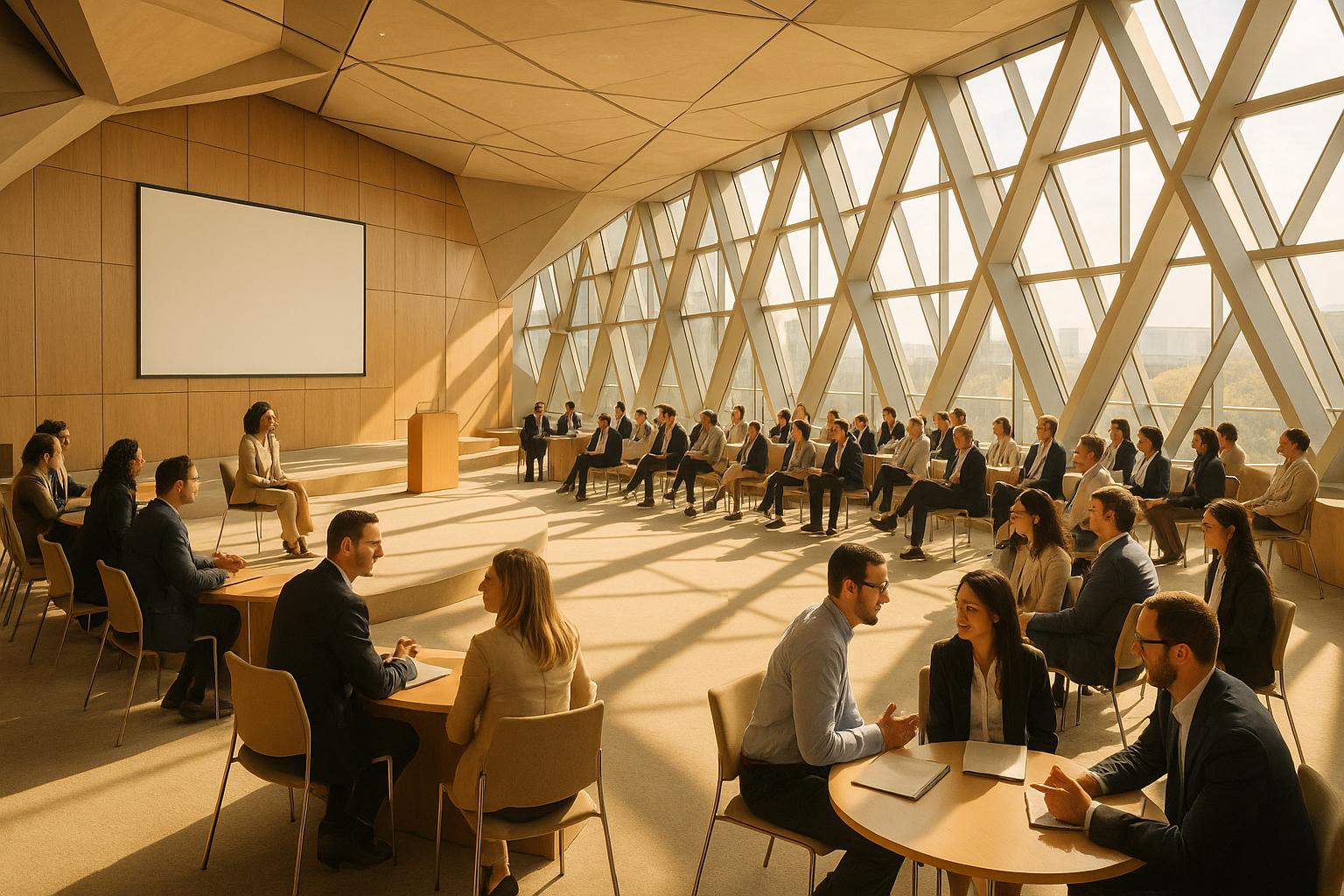
- Interactive Learning Spaces: Setting up roundtable seating for smaller sessions encourages natural conversations.
- Unique Experiences: Activities like "conference buddy programs" or localized events, such as throwing fish at Pike Place Market in Seattle, create memorable moments while fostering camaraderie.
- Blending Informal and Formal Networking: Events that incorporate cultural or wellness experiences, such as yoga or live music, allow attendees to connect in a relaxed environment.
4. Technology and Hybrid Design
Technology’s role in association meetings has transformed significantly, especially post-2020. Hybrid and virtual components are no longer just add-ons but integral to event design. The panelists discussed tools and strategies to enhance engagement both in-person and virtually:
- Real-Time Integration: Tools like Slido enable live polling and Q&A, allowing virtual and in-person attendees to interact seamlessly.
- Chatbots: AI-driven chatbots provide instant assistance during events, improving the attendee experience by addressing questions about schedules, locations, or local attractions.
- Hybrid Models: While hybrid events offer flexibility, they also raise questions about balancing in-person and remote experiences. Brooke described how her organization continuously evolves its approach by limiting virtual attendees’ access to certain live content to incentivize in-person attendance.
5. The Challenge of Overhauling Tradition
One of the most significant obstacles planners face is convincing leadership to embrace change. Many association boards are resistant to altering long-standing formats or incorporating new elements. Ashton Halt, senior director of meetings and industry relations, explained how tough conversations and gradual experimentation have helped her team implement changes over time. Demonstrating the success of other organizations and starting with small, manageable adjustments can make all the difference.
sbb-itb-ae35a94
Practical Insights: Lessons from the Experts
Across the discussion, three recurring themes emerged for planners looking to future-proof their association meetings: adaptability, creativity, and intentionality. Here’s how to apply these principles:
- Start Small: When introducing new changes, begin with pilot projects or small-scale initiatives to test their effectiveness.
- Be Transparent: Communicate openly with boards and attendees about why changes are being made and seek feedback.
- Focus on Quality Over Quantity: Shift away from overloading agendas and instead prioritize impactful, well-designed sessions.
- Experiment Boldly: Don’t be afraid to try unconventional ideas, whether it’s rethinking food and beverage offerings or creating interactive networking events.
Key Takeaways
- Engage Younger Attendees: Prioritize interactive, flexible, and customized programming that appeals to younger professionals.
- Embrace Personalization: Use attendee data to tailor experiences, but be wary of overwhelming participants with too much customization.
- Reimagine Networking: Create opportunities for organic connections through unique session formats and localized activities.
- Leverage Technology Smartly: Implement tools like Slido for polling and AI-powered chatbots to enhance attendee engagement.
- Address Board Resistance: Use evidence-based arguments and small experiments to persuade boards to embrace needed changes.
- Focus on Hybrid Optimization: Strike a balance between virtual and in-person offerings to meet diverse attendee needs without diluting either experience.
- Think Strategically About F&B: Evaluate food and beverage offerings with an eye toward attendee preferences and cost-efficiency.
- Be Willing to Fail: Experimentation is key. Not every idea will succeed, but lessons learned will guide future improvements.
The Future of Association Meetings
The future of association meetings lies in their ability to evolve. Attendees are demanding more value, and planners must respond with thoughtful, data-driven approaches to engagement. Whether through hybrid solutions, personalized experiences, or creative networking, the industry is poised to redefine what it means to connect and learn at events.
By staying curious, embracing change, and focusing on the attendee experience, association planners can ensure their meetings remain relevant and impactful in 2025 and beyond.
Source: "Future-Proof Your Association Meetings: Top Trends 2025" - GoCadmium, YouTube, Nov 6, 2025 - https://www.youtube.com/watch?v=crEsKUr-IVE
Related Blog Posts


Streamline your workflow, achieve more

Lorem ipsum dolor sit amet, consectetur adipiscing elit. Maecenas ac velit pellentesque, feugiat justo sed, aliquet felis.



Lorem ipsum dolor sit amet, consectetur adipiscing elit. Maecenas ac velit pellentesque, feugiat justo sed, aliquet felis.