How to Measure Event ROI and Drive B2B Results

Chief Executive Officer
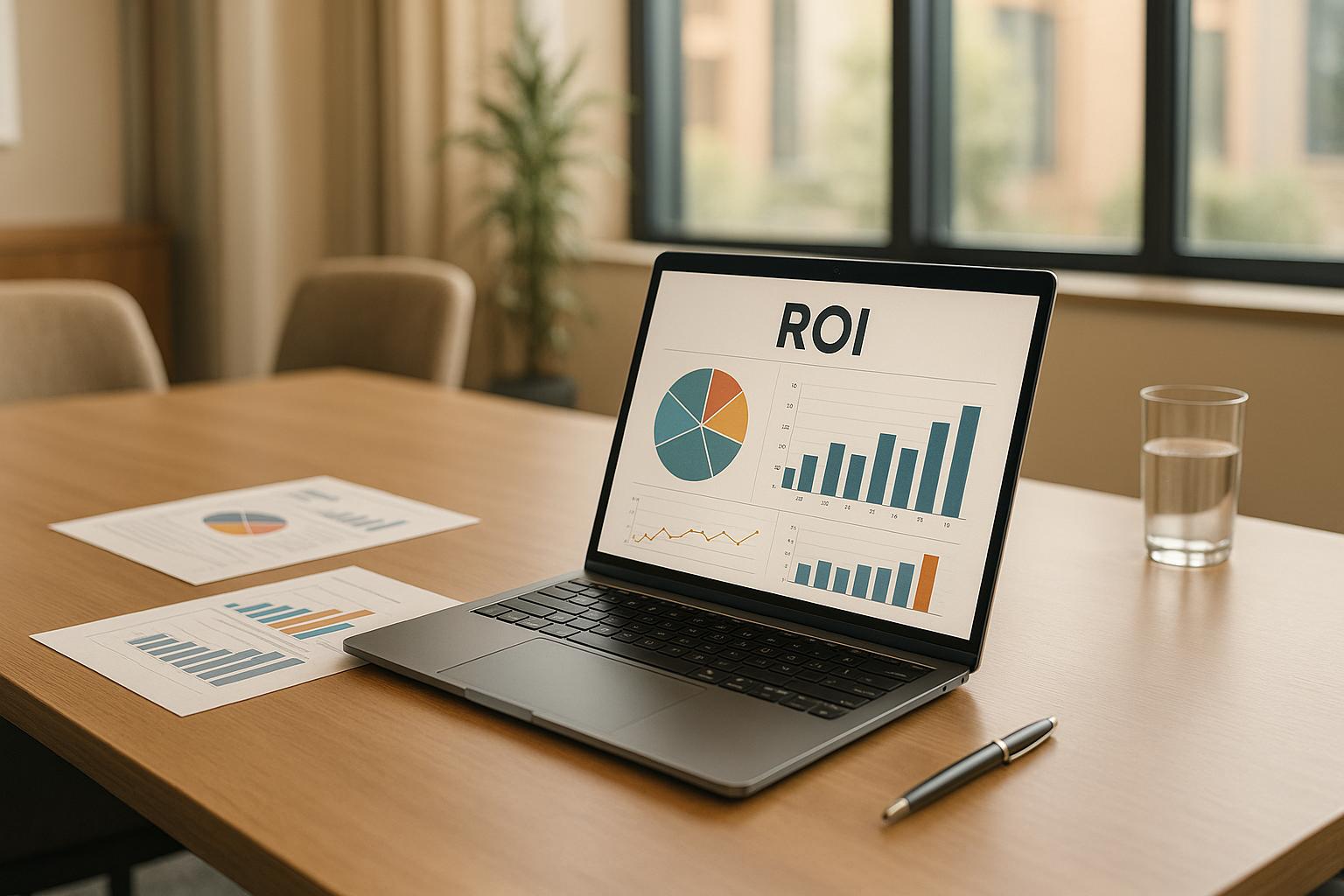
Events are pivotal in fostering connections, facilitating knowledge exchange, and amplifying brand presence. Yet, for professionals in the B2B space - corporate executives, marketing managers, and event planners - overcoming the complexities of event planning and proving return on investment (ROI) remain key challenges. Recent insights from a thought-provoking interview with Haley, Marketing Director at Event Cadence, shed light on how event technology and strategic planning can transform the way organizations approach events.
This article will explore actionable strategies for measuring event ROI, leveraging technology, and creating impactful experiences that align with business goals. Whether you’re organizing a company summit, a trade show, or a medical congress, these takeaways will help you reimagine event success.
The Foundation of Event ROI: Define Your Purpose
Before the first logistical step is taken, event planners must answer a critical question: What is the purpose of this event? Haley emphasizes that the nature of an event - whether it’s a networking opportunity, a learning experience, or a sales-driven meeting - should inform everything from planning to execution.
For example:
- Internal Meetings: Focus may be on team alignment and knowledge sharing.
- Trade Shows or Conferences: Objectives could include lead generation, partnerships, or showcasing new products.
- Medical or Life Sciences Events: Metrics may emphasize meeting research-related goals or engaging with a specific professional audience.
Setting clear objectives will help identify relevant metrics for measuring ROI. Is it attendee engagement? New leads? Post-event follow-ups? Establishing these benchmarks early is critical for success.
sbb-itb-ae35a94
Leveraging Event Technology to Enhance ROI
Event technology, especially platforms like Event Cadence, plays a transformational role in achieving event ROI. Haley points out that technology can do more than enable virtual events - it extends the impact of in-person and hybrid gatherings. Here’s how:
1. Data-Driven Insights
Event platforms provide real-time data tracking, allowing companies to gather actionable insights during and after the event. Examples include:
- Monitoring attendee behavior (e.g., session check-ins and material downloads).
- Tracking meeting room utilization to adjust future event investments.
- Identifying underperforming sessions or low engagement through live polling.
2. Networking Features
Networking is at the heart of B2B events, and technology can foster meaningful connections through features like:
- Recommended Connections: Attendees can tag profiles with interests and goals, enabling the platform to suggest potential matches for networking.
- Messaging Tools: Facilitate pre-event and on-site communication, helping attendees plan meetings or collaborations.
3. Real-Time Communication
Platforms simplify event logistics by offering tools like:
- Instant updates on schedule changes (e.g., shifting sessions indoors due to rain).
- Mobile-accessible maps to guide attendees across venues.
By integrating these tools, companies can save time, reduce inefficiencies, and create a seamless attendee experience.
Overcoming Event Industry Pain Points
Despite the clear advantages of using event technology, many companies still rely on outdated practices. According to industry statistics shared in the discussion:
- 67% of B2B marketers cite measuring ROI as their biggest challenge.
- 61% of event planners face difficulty with technology adoption.
- Only 23% of businesses utilize event management software.
Haley highlights a recurring issue: many organizations still manage events using spreadsheets and email chains, leading to inefficiency and errors. Transitioning to a unified, technology-driven solution eliminates these pain points by providing a single source of truth.
Storytelling: The Human Element in Marketing and Events
One of Haley’s strengths as a marketing leader is her focus on storytelling. She believes that storytelling enables companies to connect with audiences on a personal level, cutting through the noise of traditional sales pitches.
For example:
- Instead of emphasizing product features, frame the narrative around a relatable problem and demonstrate how your solution creates meaningful change.
- Use customer feedback and case studies to highlight success stories.
Storytelling can also energize event attendees. During a 2021 virtual event hosted by Event Cadence, the team used creative elements like animations and entertainment (e.g., a virtual magician) to keep participants engaged and drive home the value of their platform.
Measuring Individual and Organizational ROI
One of the more nuanced aspects of ROI is justifying the expense for individual attendees, particularly those traveling for in-person events. Haley acknowledges the challenge of addressing personal ROI but emphasizes that event platforms can provide attendees with metrics such as:
- The number of meetings scheduled and leads generated.
- Access to resources and materials that support professional growth.
From an organizational perspective, key insights include:
- Real-time data to adjust event strategies mid-course.
- Post-event evaluations to prioritize investments for future initiatives.
The Evolution of the Event Industry: Balancing Automation with Human Connection
The rise of AI and automation in event management presents exciting potential for operational efficiency. Haley notes that AI can analyze event data to optimize room utilization, predict attendee preferences, and streamline logistics.
However, she is quick to stress that technology should enhance, not replace in-person connections. Features like networking tools and personalized recommendations are valuable precisely because they build on the human element of events.
Lessons for Event Professionals
Haley’s journey - from content marketer to marketing director - highlights the importance of adaptability, creativity, and customer-centricity. She offers two key lessons for marketers and event professionals:
- Stay Flexible: The event landscape is constantly evolving. Whether it’s adopting new platforms or revisiting long-term strategies, flexibility is key to staying competitive.
- Focus on Customer Success: Building long-term relationships and prioritizing customer success drives word-of-mouth growth and strengthens brand reputation.
Key Takeaways
- Define Event Goals Clearly: Establish the purpose of your event to guide planning and measure ROI effectively.
- Leverage Event Technology: Use platforms to streamline operations, track engagement, and provide actionable insights.
- Prioritize Networking: Enhance attendee experiences with tools that facilitate meaningful connections.
- Measure ROI Proactively: Track metrics in real time to adjust strategies and demonstrate value to stakeholders.
- Adopt Storytelling in Marketing: Humanize your brand by showcasing relatable stories and customer success.
- Plan for Flexibility: Be prepared to adapt to industry changes, from virtual events to emerging technologies.
- Integrate AI Thoughtfully: Use AI for business intelligence and operational efficiency but maintain a focus on personal interaction.
- Invest in Customer Education: Help clients maximize the value of your platform through webinars, tutorials, and personalized support.
Conclusion
The event industry is more dynamic than ever, offering tremendous opportunities for companies to create meaningful experiences and drive business success. By embracing technology, focusing on storytelling, and setting measurable goals, event professionals can not only navigate challenges but also achieve transformative outcomes.
Whether you’re managing a large-scale conference or a targeted networking event, these strategies will help position your organization for sustained success.
Source: "How to Measure B2B Event Marketing ROI & Drive Results | Hailey Ingraham" - Predictable B2B Success Podcast, YouTube, Nov 11, 2025 - https://www.youtube.com/watch?v=OQztMDS7dHU
Related Blog Posts


Streamline your workflow, achieve more

Lorem ipsum dolor sit amet, consectetur adipiscing elit. Maecenas ac velit pellentesque, feugiat justo sed, aliquet felis.



Lorem ipsum dolor sit amet, consectetur adipiscing elit. Maecenas ac velit pellentesque, feugiat justo sed, aliquet felis.