How to Personalize Events: Strategies for Marketers

Chief Executive Officer
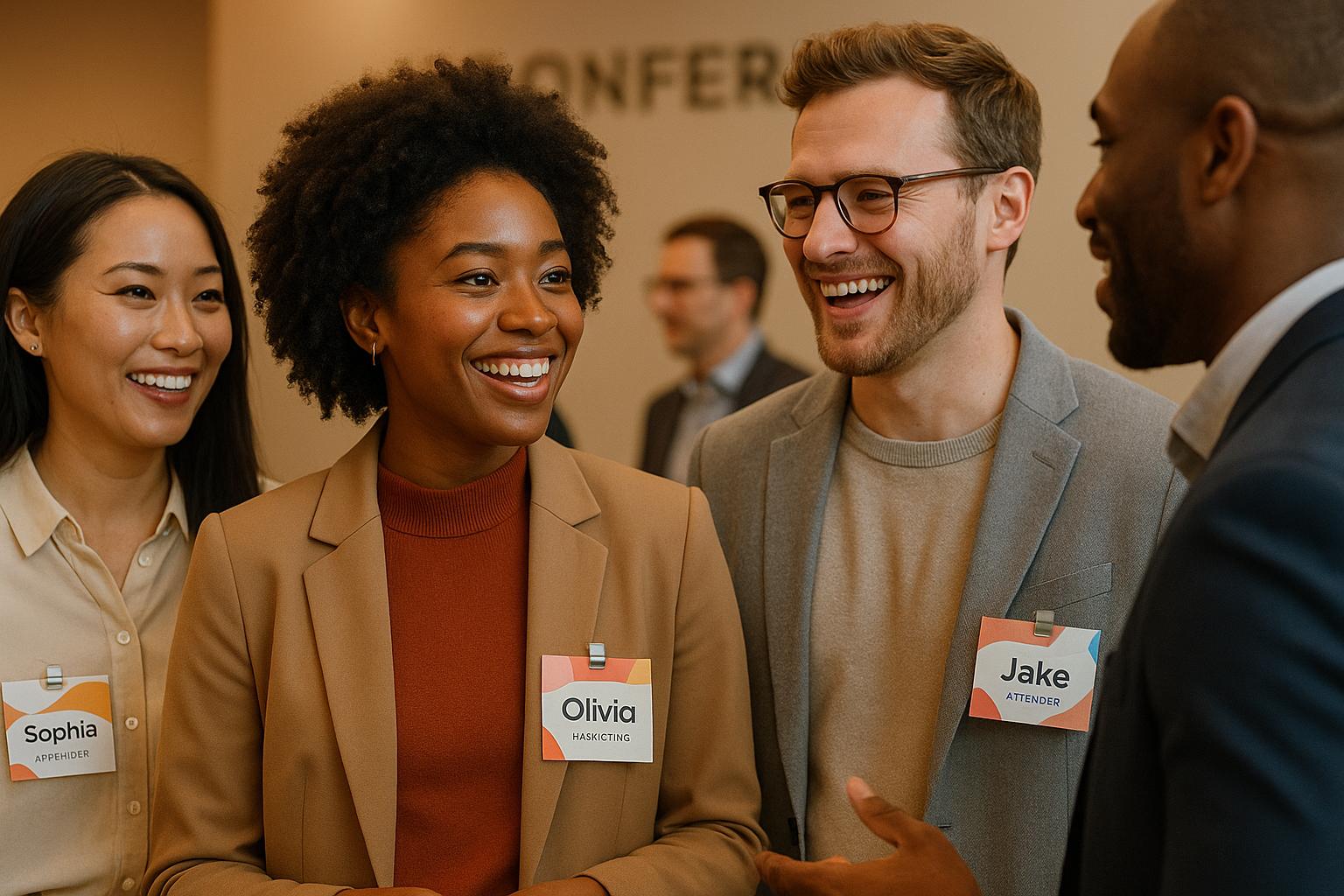
Event planning has evolved beyond logistical coordination and generic experiences. Today, the most successful events are highly personalized, designed to make attendees feel seen, valued, and connected. This shift in focus from broad customization to meaningful personalization represents a transformative trend in the industry. In this article, we’ll explore strategies for creating impactful, personalized event experiences, supported by insights from industry experts.
The Rise of Personalization in Event Marketing
Personalization in events has gained momentum for several reasons. First, attendees now expect a seamless, relevant experience that reflects the curated interactions they encounter in their digital lives. Whether through AI-driven recommendations or targeted messaging, individuals are accustomed to brands understanding their needs, preferences, and behaviors. Translating this expectation into the event space is no longer optional - it’s the baseline for success.
As one expert noted, "Customization is the bare minimum nowadays. Personalization takes things further by creating unique event experiences tailored to an individual’s data, preferences, and behavior." This distinction highlights why personalization matters: attendees want to feel valued and understood, not treated as another number in a sea of registrations.
Furthermore, competition for people’s time has intensified. While marketers once viewed other events as the primary competition, the reality is that they are fighting against the sheer demands of attendees’ busy lives. Personalization offers an edge, ensuring attendees prioritize an event that feels custom-built for them.
sbb-itb-ae35a94
The Difference Between Customization and Personalization
A crucial step in understanding the power of personalization is distinguishing it from customization. Customization allows attendees to choose from a limited set of options, such as selecting the size or color of event swag. Personalization, on the other hand, uses attendee data, behavior, and preferences to craft unique experiences tailored specifically to them.
For example, personalization might involve using AI to provide attendees with customized agendas based on their roles, interests, or previous engagement. It could also mean curating experiences, such as demos or networking opportunities, that speak directly to an individual’s professional challenges and goals.
As one expert put it, "It’s about leaving your fingerprint on their memory. If it doesn’t feel designed for them, it won’t feel personal."
Building Personalized Experiences: Key Strategies
1. Start with Meaningful Research
Effective personalization starts long before the event itself. Organizers must ask the right questions to understand their audience deeply. This can include surveys during registration, conversations with attendees, and even leveraging AI to analyze attendee behavior and preferences.
For example, one event marketer shared how they created a pre-event campaign tailored to attendees’ selected education sessions. The messaging focused on addressing specific pain points and offering actionable solutions, ensuring relevance from the outset.
2. Leverage Data and AI
Technology plays a vital role in scaling personalization. AI can analyze registration data to uncover trends and segment attendees based on their roles, industries, or interests. Some tools even enable real-time personalization, such as scanning attendee badges to notify booth staff about each visitor’s background and preferences.
AI can also assist with content creation. Tools like ChatGPT or Manis AI can craft personalized email campaigns, develop talking points for different audience segments, and even automate post-event follow-ups.
However, it’s essential to give AI outputs a human touch. As one expert noted, "AI can scale and analyze data quickly, but it can’t replace empathy. Use your instincts to ensure the outputs align with your goals."
3. Design Personalized Touchpoints
Personalization doesn’t have to be tech-heavy. Small, intentional gestures can create memorable moments. For instance:
- Offering swag items based on attendee preferences, such as fitness bands for health enthusiasts or coffee mugs for caffeine lovers.
- Providing customized experiences in the booth, such as demos tailored to a visitor’s professional role.
- Incorporating interactive elements like gamification, where attendees can engage and compete while learning about a brand’s offerings.
One standout example involved hosting a customer event at Wrigley Field, giving attendees the chance to practice in the Chicago Cubs’ batting cages. This "bucket list" experience created unforgettable memories and cemented loyalty.
4. Create Inclusive Experiences
Inclusivity should be a central consideration in personalization. This includes accommodating attendees with disabilities and ensuring all feel welcomed and valued. Key steps include:
- Asking thoughtful questions during registration, such as, "What can we do to enhance your experience?"
- Providing accessibility features, like ramps, ASL interpreters, or sensory-friendly spaces.
- Designing alternative experiences for those who may not enjoy loud or flashy elements.
5. Focus on Emotional Connection
Events are not just about transactions; they’re about relationships. By designing experiences that evoke emotion - whether through thoughtful gestures, engaging storytelling, or impactful content - you create lasting impressions.
As one expert explained, "We’re not just competing against other events; we’re competing for people’s time. Personalization shows attendees that we see them and care about their success."
The Role of Intentional Design
Personalization is most effective when rooted in intentionality. Event planners must clearly define their goals and desired outcomes, aligning every decision with these objectives. This includes:
- Identifying key stakeholders and understanding their motivations.
- Crafting a unified message that resonates with all audience segments while addressing unique needs.
- Asking deeper questions, such as, "What behavior do we want to change?" or "What emotion do we want attendees to feel?"
Intentionality also ensures resources are allocated effectively. For example, instead of defaulting to traditional booth setups, planners can design spaces that prioritize attendee engagement, education, or relationship-building. The key is to avoid falling into routine and instead create experiences that align with overarching objectives.
One expert emphasized this point by recalling a poorly utilized trade show booth. Despite significant investment, the booth lacked strategic design, resulting in wasted opportunities. In contrast, intentional design ensures every element, from layout to programming, serves a specific purpose.
Key Takeaways
- Understand Your Audience: Personalization starts with asking the right questions and listening to your attendees’ needs, challenges, and goals.
- Differentiate Between Customization and Personalization: Go beyond generic options by creating experiences tailored to individual preferences and behaviors.
- Leverage Technology Thoughtfully: Use AI and data analytics to scale personalization, but combine them with human empathy for maximum impact.
- Design Memorable Touchpoints: Small, intentional gestures - like tailored swag or unique activities - can leave a lasting impression.
- Prioritize Inclusivity: Create an environment where all attendees feel welcomed and valued, regardless of their needs or backgrounds.
- Be Intentional: Align every decision with your event’s core objectives to drive meaningful outcomes.
- Focus on Emotional Engagement: Personalization is about building relationships, not just transactions. Show attendees you care about their success and well-being.
Conclusion
Personalization is reshaping the events industry, offering an opportunity to create deeper connections and deliver transformative experiences. By focusing on attendee needs, leveraging technology, and designing with intention, event planners can elevate their strategies and ensure their events stand out in a crowded marketplace. Whether through small gestures or large-scale personalization efforts, the goal remains the same: to leave a meaningful "fingerprint" on attendees’ memories.
Source: "Personalization at Events: How the Best Event Marketers Do It #eventmarketing" - Rockway Exhibits + Events, YouTube, Oct 1, 2025 - https://www.youtube.com/watch?v=Cvr6OYIfuAY
Related Blog Posts


Streamline your workflow, achieve more

Lorem ipsum dolor sit amet, consectetur adipiscing elit. Maecenas ac velit pellentesque, feugiat justo sed, aliquet felis.



Lorem ipsum dolor sit amet, consectetur adipiscing elit. Maecenas ac velit pellentesque, feugiat justo sed, aliquet felis.