Common Mistakes In Press Conference Production Planning

Chief Executive Officer
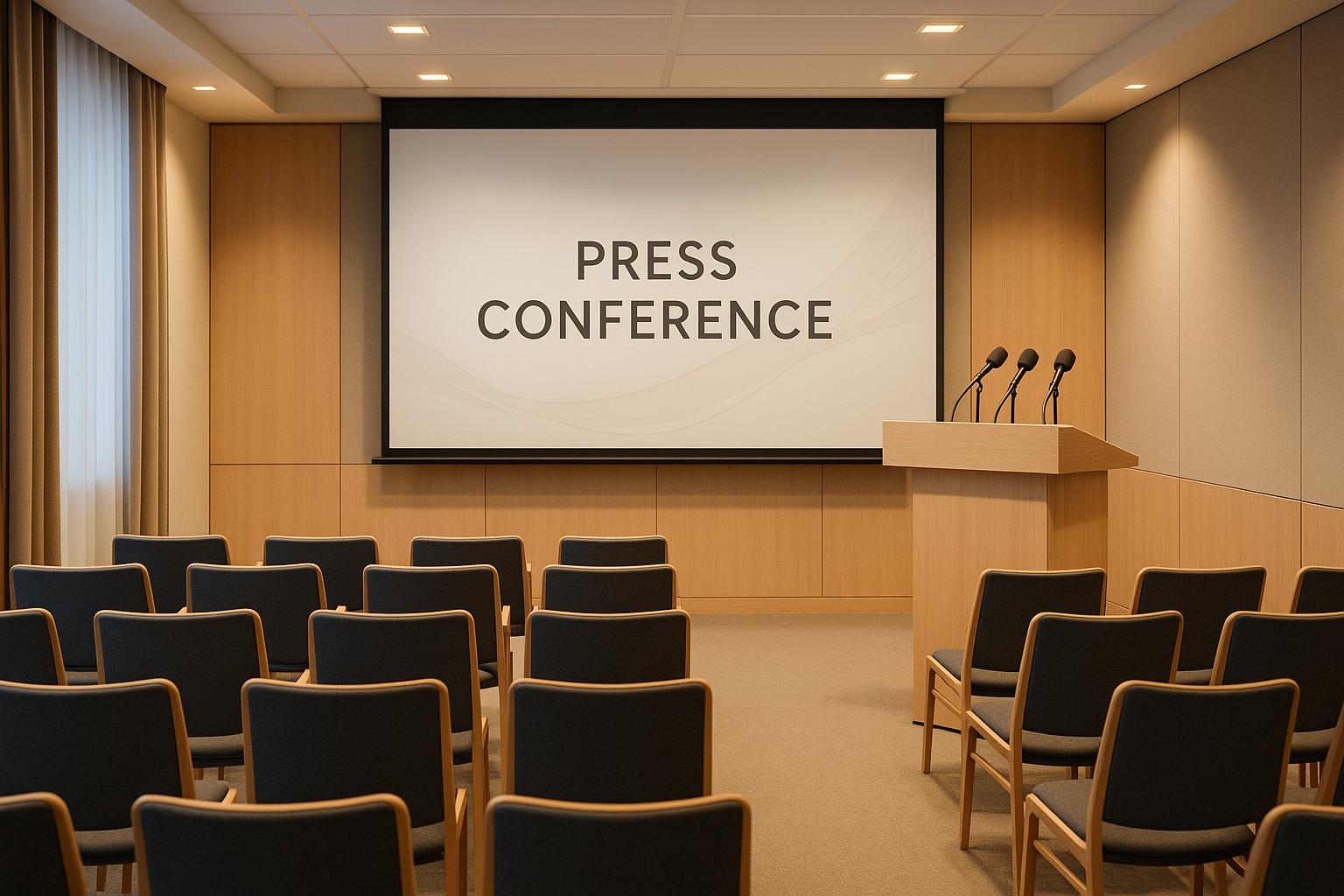
When planning a press conference, even small errors can lead to big problems - technical issues, poor scheduling, or unclear goals can derail your message and harm your reputation. Here’s what often goes wrong and how to fix it:
- Sound Issues: Poor microphone setup, audio feedback, or uneven sound levels can make it hard for your audience to hear your message. Always test sound systems thoroughly before the event.
- Lighting Problems: Harsh or insufficient lighting can make speakers look unprofessional on camera. Use balanced lighting setups and test during the same time of day as your event.
- Presentation Glitches: File incompatibility or corrupted presentations can embarrass speakers. Standardize formats and rehearse with the actual files.
- Weak Scheduling: Overlooking preparation steps or dependencies can delay setups and disrupt timelines. Use detailed schedules and milestone checkpoints.
- Last-Minute Changes: Without backup plans, sudden changes to speakers, venues, or agendas can create chaos. Always prepare contingency plans and communicate updates clearly.
- Poor Communication: Miscommunication between vendors, planners, and speakers leads to confusion. Use a centralized communication system and conduct thorough briefings.
- Lack of Audience Engagement: Passive formats lose attention quickly. Add live polls, Q&A sessions, or interactive demos to keep attendees involved.
- Virtual Attendee Neglect: Technical glitches or lack of engagement tools can frustrate remote participants. Test live streaming, use chat features, and offer follow-up resources.
- Budget Oversights: Hidden costs, like service fees or last-minute expenses, can blow your budget. Review contracts carefully and set aside emergency funds.
- Skipping Rehearsals: Without full-scale technical rehearsals, unexpected issues are likely. Test all systems under real conditions.
To ensure success, focus on preparation, clear communication, and testing every detail. Avoiding these common mistakes will help you deliver a polished press conference that effectively communicates your message.
Common AV Setup Mistakes in Press Conferences
AV issues can derail a press conference in seconds, turning a carefully planned event into a public relations headache. These missteps can overshadow your message and leave a poor impression on attending media.
Sound and Microphone Setup Problems
Audio problems are among the most disruptive AV mistakes because they directly block your message from reaching the audience. Poor sound quality makes speakers seem unprepared and forces journalists to struggle to catch critical points.
One frequent issue is audio feedback, which happens when microphones pick up sound from nearby speakers. This screeching noise is often caused by incorrect microphone placement or lack of proper sound system calibration before the event.
Another common problem is uneven sound levels. When speakers move away from podium microphones, their voices can fade, making it hard for the audience to follow. Lavalier microphones can help, but they need to be positioned and tested carefully to avoid rustling from clothing or poor placement.
Inadequate microphone coverage is especially noticeable during Q&A sessions. Without enough wireless microphones, audience participation becomes clunky and awkward, with long pauses as equipment is shuffled around. Many organizations underestimate how many microphones they’ll need, leading to last-minute scrambling.
The solution? Conduct a thorough sound test at least two hours before the event. This gives time to adjust levels, test microphone placement, and double-check backup equipment. Professional sound engineers should oversee this process, and speakers should rehearse their actual presentations rather than reading random test scripts.
While sound clarity is critical, the visual setup is just as important.
Poor Lighting Design
Lighting plays a huge role in how professional your speakers look on camera and directly affects the quality of photos and videos captured by the media. Bad lighting can undermine your entire event.
Harsh overhead lighting often casts unflattering shadows under the eyes, making speakers look tired or uncomfortable. Standard conference lighting may suffice for meetings but falls short for press events.
Insufficient lighting for cameras is another problem. While modern cameras and smartphones handle low light better than older models, poor lighting still results in grainy, low-quality footage that media outlets might avoid using.
Backlighting issues occur when speakers are positioned in front of bright windows or screens, creating silhouettes that obscure their faces. This is especially problematic during daytime events in rooms with large windows, where natural light shifts throughout the day and can overpower artificial lighting.
Inconsistent lighting across the stage creates a distracting visual imbalance. If one area is brighter than another, it pulls attention away from the current speaker and disrupts the overall flow.
To avoid these issues, lighting should be addressed during venue selection. Key, fill, and background lighting must work together to create a balanced and flattering setup. Often, this requires bringing in additional lighting equipment beyond what the venue provides.
Once the lighting and sound are sorted, the next challenge is ensuring presentations run smoothly.
Presentation Format Compatibility Issues
Few things are as frustrating - or preventable - as technical hiccups with presentation files. Incompatible formats, video codec errors, or resolution mismatches can derail a press conference and leave speakers flustered. A common scenario involves presentations created on Mac systems using Keynote that fail to display properly on Windows-based AV systems expecting PowerPoint files. Videos might show as black screens or play without sound due to codec issues, while mismatched resolutions can stretch or distort slides.
Another frequent problem is file corruption during transfer, often caused by compressing large files for email or using unreliable network connections. These issues typically surface only when the speaker is about to present, creating unnecessary stress.
The fix? Standardize all files into universally compatible formats and test them on the actual AV equipment well in advance. Full AV rehearsals with the exact presentation files - not placeholders - are essential. Additionally, backup strategies should include multiple file formats, local copies on the presentation computer, and cloud-based backups to ensure access if something goes wrong.
Event Scheduling and Timeline Problems
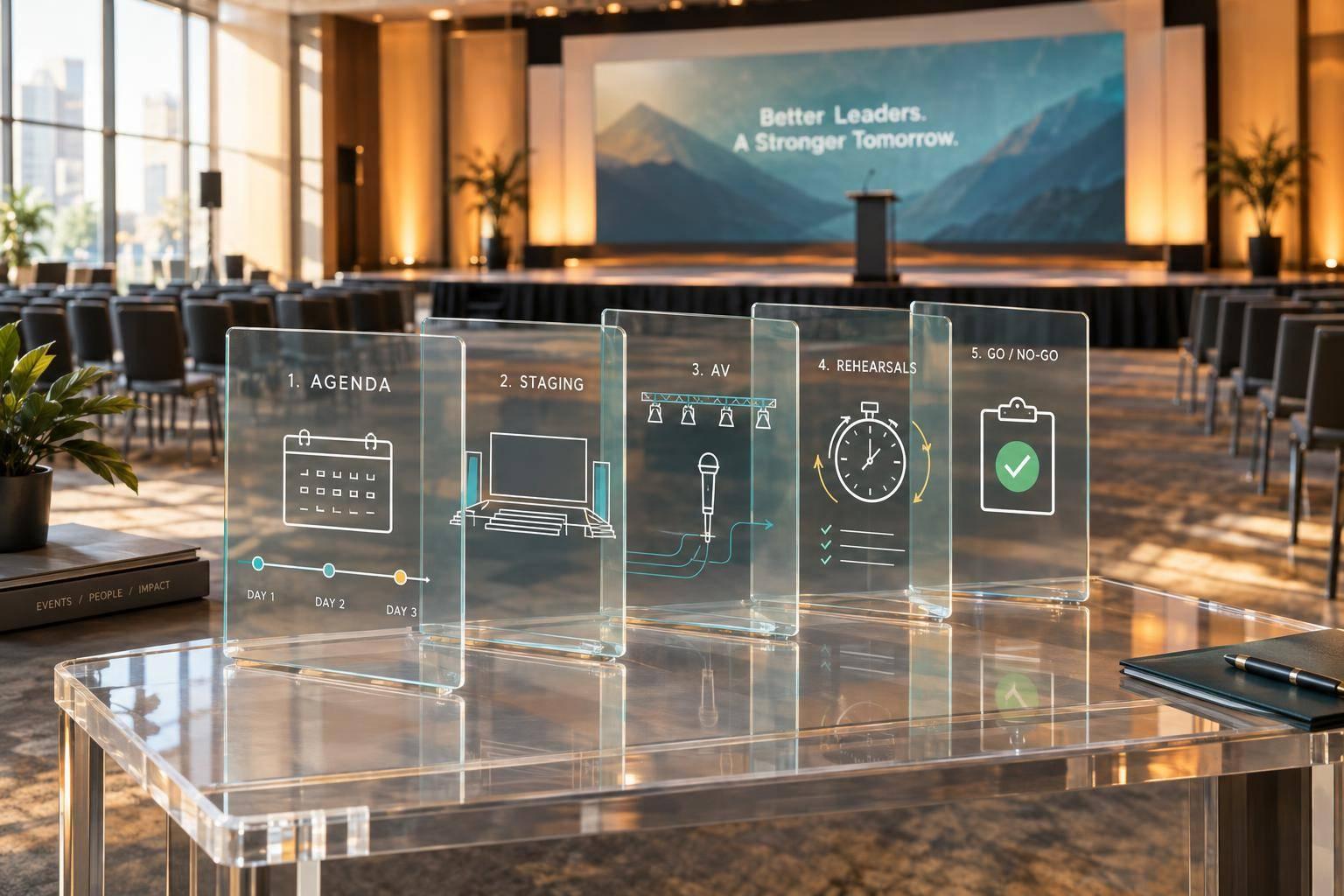
When scheduling goes wrong, a press conference can quickly spiral into chaos. Just like technical setups demand accuracy, a well-thought-out schedule is the backbone of a successful event. Unrealistic timelines or overlooked details can disrupt everything - from coordinating vendors to preparing speakers.
Here’s a closer look at common scheduling mistakes and how to address them.
Missing Detailed Event Timelines
Some organizations rely on overly simple schedules that only focus on the main event, ignoring the many preparation steps required beforehand. This lack of detail often leads to a domino effect of problems as the event date nears.
For example, vendors often need sufficient lead time to prepare. Without it, you’re left scrambling with rushed fixes that drive up costs. High-demand services like AV equipment, catering, and venue bookings require early planning, especially during busy seasons. Starting too late may leave you stuck with less ideal options or hefty last-minute fees.
Another common issue is neglecting task dependencies. Take lighting setup - it can’t begin until the stage is fully configured. If the schedule doesn’t account for this sequence, vendors may show up at the same time, creating bottlenecks and inefficiencies.
A better approach? Build a detailed timeline that works backward from the event’s start. Each task should have a clear start and end time, assigned responsibilities, and a list of required resources. Professional scheduling tools can simplify this process by tracking timelines and sending automated reminders to keep everyone aligned.
Adding milestone checkpoints throughout the planning phase also helps. These checkpoints allow teams to review progress and address minor issues before they escalate. With a solid timeline in place, every aspect of production - from technical rehearsals to briefings - runs more smoothly.
Now, let’s dive into how last-minute changes can further complicate matters.
Last-Minute Changes Without Backup Plans
Press conferences are particularly prone to sudden changes - whether it’s a high-profile speaker’s schedule, breaking news, or an unexpected venue issue. Without proper preparation, these changes can throw everything off balance.
Late adjustments to speakers, agendas, or venues can disrupt the entire flow of an event. The key to minimizing these disruptions is having contingency plans in place from the start. For instance, identify backup speakers, create a flexible agenda, and negotiate vendor contracts that allow for adjustments without hefty penalties.
Flexible vendor agreements are especially important. Contracts that permit certain changes can save you from unnecessary headaches and keep the event moving forward without major renegotiations.
Equally critical is clear communication. Establish a chain of command for approving changes and set up standardized procedures to notify all stakeholders. This ensures updates are shared quickly and efficiently, reducing the fallout from unexpected changes.
Communication Problems with Stakeholders
When event planners, vendors, and speakers aren’t on the same page, a press conference can go off track fast. Miscommunication leads to missed deadlines and mistakes, which only add to the scheduling and technical challenges already in play.
The situation gets trickier when multiple vendors are involved. Each team needs specific information at different times, and without a centralized way to manage these details, things can easily slip through the cracks. For instance, if a change in the presentation format is communicated to only a few teams, it can cause technical hiccups during the live event.
No Central Communication System
Relying on scattered communication channels creates silos, making it harder to share critical updates quickly. A centralized platform can solve this by acting as a single source of truth for all event-related details. Tools with real-time messaging and file-sharing capabilities ensure that updates reach everyone instantly.
It’s also important to establish clear communication protocols. For example, technical updates should go directly to the AV team, lighting crew, and venue coordinator, while speaker-related changes should involve the production manager and media relations team. A centralized system combined with well-defined protocols ensures everyone gets the information they need, reducing the risk of last-minute surprises.
Weak Pre-Event Briefings
Just like technical setups and timelines, proper communication is essential for a smooth event. Vague or incomplete pre-event briefings can lead to confusion. When stakeholders don’t have a clear understanding of their roles, they may fill in the gaps with incorrect assumptions.
A strong pre-event briefing should outline the press conference’s core message and summarize 3–5 key goals. Details like the date, time, and location must be accurate and clearly communicated to avoid logistical issues.
Additionally, the briefing process should focus on selecting and preparing participants. Choose individuals who are knowledgeable and confident enough to handle press questions effectively.
Finally, dress rehearsals are a must. They allow speakers to practice delivering their key points within the allotted time, ensuring they’re well-prepared for the event.
Weak Audience Engagement Planning
Thoughtful planning is the backbone of a successful press conference, ensuring everyone - whether attending in person or virtually - stays engaged. The problem with one-way press conferences is that they lose the audience's attention quickly. When attendees are reduced to passive listeners, their focus drifts, and the core messages fail to stick. This issue is even more pronounced for virtual participants, who are often surrounded by distractions at home or in the office.
A common mistake is prioritizing logistics and technical details over the audience experience. According to a 2023 industry survey, 58% of event planners admitted that neglecting the audience experience led to weaker post-event engagement and lower ROI. This oversight can derail even the most meticulously organized press conferences, diluting their overall impact.
Missing Interactive Elements
Relying solely on podium presentations creates a disconnect. Without opportunities for real-time interaction, attendees become passive spectators rather than active participants. This lack of engagement not only diminishes attention but also hampers information retention.
Incorporating live polling can dramatically change this dynamic. Tools like Slido and Poll Everywhere allow both in-person and virtual attendees to share their opinions in real time. Displaying live poll results during the event fosters a sense of involvement and makes the experience more memorable.
Similarly, real-time Q&A sessions can be a game changer. Instead of saving all questions for the end, organizers can weave short Q&A moments throughout the event. Attendees can submit questions through apps or simply raise their hands, creating natural interaction points that keep the audience engaged.
For product-focused events, interactive displays and live demos are particularly effective. Touch-screen displays let attendees explore content at their own speed, while live demonstrations provide hands-on experiences with new products or services. These elements not only capture attention but also leave a lasting impression.
Events that include these interactive features report up to 33% higher attendee satisfaction scores compared to those that stick to passive formats. Engagement tools like these not only enhance message retention but also lead to better media coverage. Still, virtual attendees present their own set of challenges.
Poor Virtual Attendee Engagement
Virtual participants often face hurdles that in-person attendees don’t, such as home distractions, technical glitches, and a general sense of detachment. Without specific strategies to address these issues, virtual attendees are likely to tune out and miss important information.
A reliable live streaming setup is essential to keeping remote participants engaged. Technical delays or interruptions frustrate viewers and make real-time interaction difficult. A solid streaming infrastructure ensures a smooth experience and keeps virtual attendees connected.
Adding chat features and assigning moderators can help bridge the gap between virtual and in-person experiences. While in-person attendees use microphones to ask questions, virtual participants can use chat tools. Assigning moderators to monitor and respond to these questions in real time shows remote attendees that their contributions are valued.
Providing follow-up materials tailored for virtual attendees helps maintain their connection to the event. Offering session recordings, downloadable resources, and exclusive content ensures they can revisit key points, even if they couldn’t attend live. This approach also accommodates time zone differences and technical difficulties.
When virtual and in-person attendees are equally engaged, the press conference achieves its full potential. By integrating interactive features and virtual engagement tools into your planning, you can create an event that resonates with all participants.
Budget Problems and Hidden Costs
Beyond technical glitches and scheduling errors, budget missteps can seriously jeopardize the success of a press conference. While planners often account for obvious expenses like venue rentals and catering, they may overlook hidden costs - such as cleaning fees, security, overtime, and service charges - that can significantly inflate the overall budget. These unexpected costs tend to arise in the final weeks leading up to the event, when options are limited, and expenses are at their peak. This unpredictability highlights the importance of precise budget planning.
The most damaging financial errors often come from incomplete contract reviews and overly optimistic cost estimates. Overlooking mandatory service charges, vendor commissions, or fees for last-minute changes can leave planners scrambling for additional funds or cutting essential services. Such compromises can harm the event’s quality and professionalism.
Underestimating AV and Production Costs
Audiovisual (AV) production is one of the biggest expenses in press conference planning, yet it’s often underbudgeted. Preferred vendor agreements can tack on hidden commission markups ranging from 10% to 35%. These markups are rarely disclosed upfront, leading to sticker shock when the final invoices roll in.
On top of that, mandatory service charges of 18%–25% and gratuity fees of 15%–20% can further inflate AV costs. Even "all-inclusive" packages can be misleading, as they may exclude critical items like premium microphones, advanced lighting controls, or backup equipment, forcing planners to make costly last-minute purchases.
Another potential budget trap lies in substitution clauses within vendor contracts. If unapproved equipment swaps occur, they can lead to unexpected expenses. To avoid these issues, request detailed, itemized quotes that break down every piece of equipment, labor hour, and additional fee. Insist that vendors clearly outline what their "all-inclusive" packages include - and, just as importantly, what they don’t. Comparing multiple independent quotes can also help you sidestep inflated costs tied to venue-preferred vendors with built-in commissions. Once AV costs are under control, it’s wise to set aside funds for unexpected expenses that may arise.
No Emergency Funds
Press conferences often face unforeseen expenses, and without a contingency fund, planners may be forced to choose between sacrificing quality or exceeding their budget.
Last-minute changes can lead to hefty rescheduling fees, which can range anywhere from $500 to $5,000. Rush charges for additional equipment, venue adjustments, or staffing changes can also add up quickly, especially when requested on short notice. Weather issues or venue access problems may require immediate fixes, like renting a backup venue or arranging expedited equipment deliveries, both of which typically come at premium rates due to the lack of time for competitive bidding.
Non-refundable deposits are another financial risk. For example, losing a $1,500 deposit on a $3,000 photography contract due to a vendor cancellation could force planners to find a replacement at a higher cost. A contingency fund can help absorb such losses and keep the event on track.
To reduce the likelihood of these financial surprises, create a detailed timeline for decision-making and finalize vendor selections, equipment needs, and venue requirements well in advance. This proactive planning minimizes the risk of rush fees and emergency expenses, ensuring that funds are available to address genuine crises without compromising the event’s quality.
sbb-itb-ae35a94
Venue and Logistics Mistakes
The choice of venue is the backbone of any press conference, yet it’s an area where planners often stumble, jeopardizing even the most carefully crafted events. A poorly chosen venue or mismanaged logistics can disrupt everything - from sound quality to the overall experience for attendees. These missteps frequently arise from rushing decisions or neglecting the unique technical demands of a press conference.
Unlike typical corporate meetings, press conferences require venues equipped to handle specialized media setups, reliable live streaming, and larger audiences. A subpar venue often leads to expensive fixes, compromised presentation quality, and logistical headaches that are tough to untangle.
Wrong Venue Selection
Picking the wrong venue - without considering its power, internet capabilities, or acoustics - can lead to unexpected expenses and logistical nightmares. Many standard conference spaces lack the robust electrical infrastructure needed to support professional audiovisual setups, forcing planners to rely on costly and potentially unsafe add-ons.
Internet connectivity is another critical factor. The venue must support high-resolution uploads from multiple devices simultaneously. Meanwhile, room characteristics like low ceilings can restrict lighting options, and hard surfaces may create echo or feedback issues that ruin audio quality. Even practical details, like inadequate loading docks or limited equipment access, can result in longer setup times, higher labor costs, and increased risks of damaging sensitive gear.
To avoid these pitfalls, conduct a thorough site visit at a time that mirrors the conditions of your event. Test the internet speed, confirm power capacity with the venue’s engineering team, and evaluate the acoustics and ambient noise levels. Don’t overlook external factors like nearby construction or heavy traffic, which could disrupt the event.
Once the venue meets all technical requirements, the focus shifts to ensuring smooth coordination with vendors.
Poor Vendor and Logistics Coordination
Even with the right venue, a press conference can fall apart without proper vendor coordination. Audiovisual technicians, catering staff, security teams, and venue coordinators all need to work together seamlessly. When they don’t, issues like overlapping schedules, equipment compatibility problems, and disorganized load-in procedures can quickly derail the event.
For instance, vendors competing for the same loading docks or shared resources like power outlets can cause delays and confusion. Equipment mismatches discovered during setup can further complicate timelines and increase stress for everyone involved.
To avoid these problems, professional event production services - such as those offered by Corporate Optics - can be invaluable. These services bring established vendor relationships and the expertise needed to align audiovisual production, scenic design, and technical logistics.
Here’s how to stay on top of vendor coordination:
- Create a detailed schedule that outlines each vendor’s responsibilities and timeline.
- Assign a single coordinator to oversee operations and prevent conflicts over space or resources.
- Share the finalized timeline with all vendors at least a week before the event.
- Require vendors to submit technical specs and equipment lists in advance, so potential compatibility issues can be addressed early.
Additionally, establish clear protocols for equipment storage, power usage, and space allocation. Designate specific areas for each vendor’s gear and prioritize shared resources like internet connectivity and electrical outlets. These steps will help ensure the press conference runs smoothly from start to finish.
Skipping Technical Rehearsals
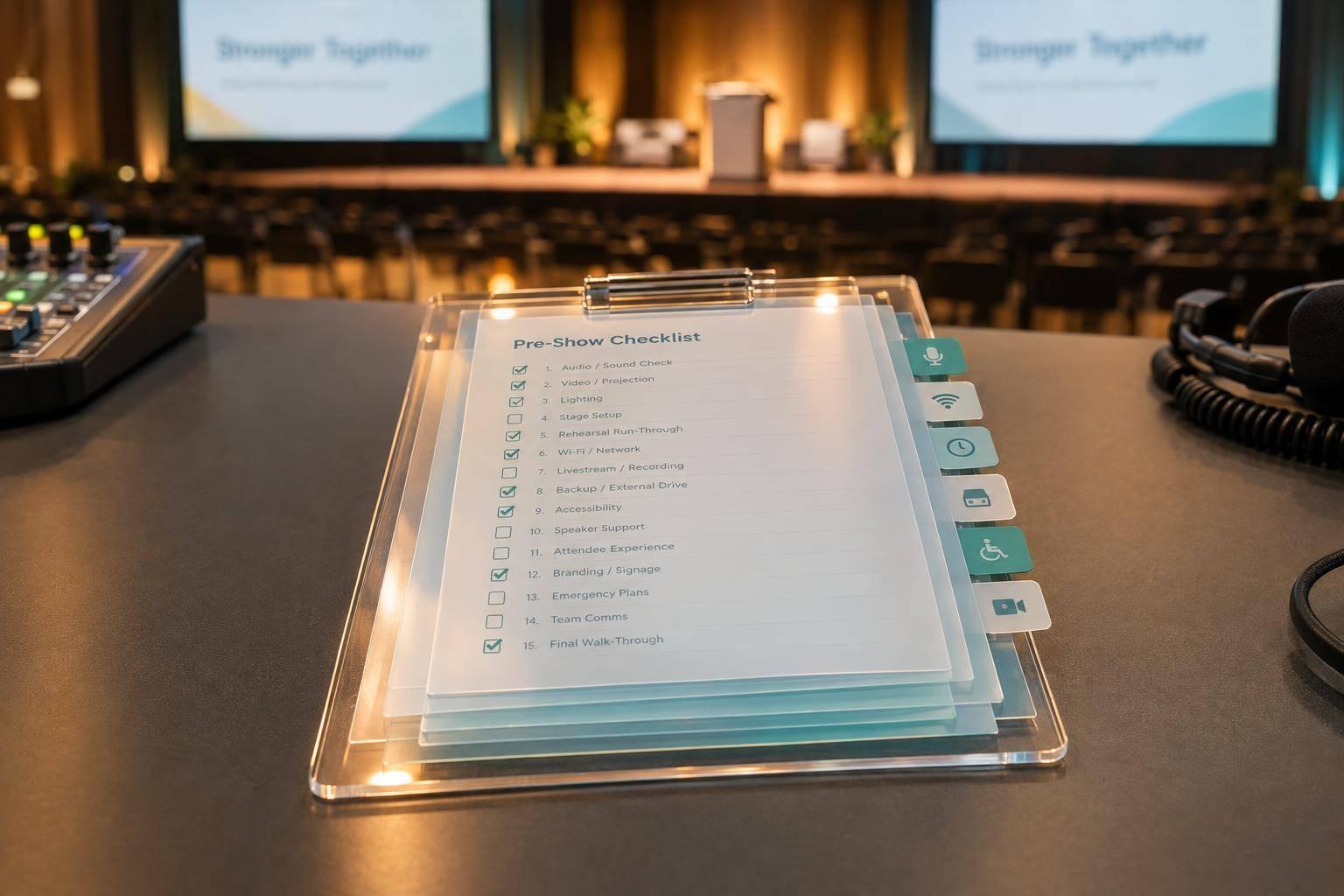
Every aspect of a press conference needs to work together seamlessly, and technical rehearsals are the glue that holds it all together. Yet, many event planners skip this step, either to save time or cut costs. This shortcut often leads to disaster - unreliable equipment, speakers fumbling with unfamiliar setups, or live streams cutting out at the worst possible moment. The high stakes of a live press conference leave no room for last-minute fixes, making rehearsals an absolute necessity.
Modern press conferences are more complex than ever. With multiple cameras, live streaming, interactive features, and hybrid audiences, there are countless opportunities for things to go wrong. Skipping rehearsals turns these systems into untested risks that can derail even the most critical announcements. Professional event teams know that rehearsals aren’t just about testing gear - they’re about ensuring the entire crew is prepared and every participant knows their role. By simulating real event conditions, rehearsals build the confidence and coordination needed for a smooth event.
No Full-Scale Rehearsals
Some planners make the mistake of running partial equipment checks instead of full-scale rehearsals. While a quick check might confirm that individual pieces of equipment are working, it doesn’t reveal how all the systems interact under real conditions. Issues like audio feedback, power overloads, or limited network capacity often only emerge when everything is running together.
A proper rehearsal should include every element of the actual press conference: speakers, audiovisual setups, lighting, and the full production crew. This comprehensive approach uncovers timing issues, such as how long it takes for speakers to move between positions or for slides to transition smoothly. It also highlights coordination challenges, especially if team members are working together for the first time.
Timing matters too. Rehearsals should be held at the same time of day as the event to account for variables like natural light, ambient noise, and network traffic. For example, a morning rehearsal won’t prepare you for the lighting and internet conditions of an evening event. Everyone involved - executives, technical staff, and production crew - needs to participate, using the exact equipment and timeline planned for the press conference.
Corporate Optics, a leader in event production, emphasizes the importance of thorough rehearsals. Their approach involves testing every technical element under realistic conditions, which helps identify potential problems before they become public embarrassments. This attention to detail allows for adjustments and backup plans, laying the groundwork for a successful event.
Not Testing Live Streaming and Virtual Tools
Live streaming and virtual engagement tools are often the weakest links in modern press conferences. Unfortunately, they’re also some of the least-tested components. Many planners assume that a stable internet connection is enough to handle high-definition streaming and interactive features. This assumption can lead to frozen video, poor audio, and frustrated virtual attendees who can’t fully engage with the event.
Streaming platforms don’t always perform consistently under load, and network speeds can vary significantly depending on the time of day. A connection that works fine during a quiet afternoon test might struggle during peak hours when the event takes place. Multiple test runs at different times can help identify these issues, allowing adjustments to streaming quality or backup plans for connectivity.
Virtual tools like live polling, Q&A sessions, and breakout rooms also need thorough testing. It’s not enough to test these features with the technical team alone - they should be tested with actual participants to simulate real-world usage. Common issues include user limits, browser compatibility problems, or integration failures with the main streaming platform. Tests should include scenarios with high participation, simultaneous interactions, and moderator interventions to ensure everything runs smoothly.
The testing process should also confirm that virtual attendees have access to the same materials and experiences as in-person participants. This includes verifying the quality of screen sharing, document downloads, and interactive features across different devices and internet connections. Browsers and operating systems can display content differently, so thorough testing is crucial to avoid confusion or accessibility issues.
Plan three separate tests: one to check technical functionality, one with moderate participation, and one simulating full-scale conditions. Each test should include backup plans for common problems, such as internet outages or unexpected platform crashes. These precautions ensure that your live stream and virtual tools won’t let you down when it matters most.
Unclear Event Goals and Success Metrics
Once technical and logistical challenges are addressed, the next critical step for a successful press conference is setting clear goals and defining success metrics. Without a clear sense of purpose, press conferences can quickly become a drain on resources. This lack of focus impacts every aspect of the event - from choosing the venue to reaching out to the media - because the team lacks a clear target to work toward. Just like technical rehearsals, which ensure smooth execution, having well-defined goals is essential for a streamlined and effective event.
The issue becomes even more problematic when there's no plan to measure the event's success. Organizations often spend thousands of dollars on press conferences but fail to assess whether the effort paid off. Without proper metrics, it’s impossible to learn from past events, improve future ones, or justify the expense to stakeholders. This can turn press conferences into routine, uninspired tasks rather than strategic opportunities for impactful communication.
No Clear Press Conference Goals
Goals like "increase awareness" or "share our message" are too vague to guide effective planning. These broad statements leave room for interpretation, which can lead to misalignment within the team.
This is where SMART objectives come into play. Goals that are Specific, Measurable, Achievable, Relevant, and Time-bound provide a clear framework for planning. For example, instead of saying "increase awareness", a SMART goal might be: "Introduce our new product line to 50 technology journalists" or "Address customer concerns about recent service changes." These types of objectives not only clarify what success looks like but also help teams stay focused and aligned.
Press conferences are most effective when they center on one or two primary goals. Trying to juggle too many objectives in a single event often results in muddled messaging and a disengaged audience. Common objectives include launching new products, announcing significant news, managing crises, introducing key executives, or celebrating milestones.
The most successful press conferences boil their focus down to one to three key messages for journalists. These messages serve as the foundation for all event planning, influencing everything from speaker selection to visual presentations. When every aspect of the event reinforces these core messages, the press conference becomes a compelling communication tool rather than just another information dump.
Organizations should also think beyond the immediate announcement to consider their broader goals. A press conference can help shape public opinion, build stronger relationships with the media, engage customers, or position the company as a leader in its field. Keeping these bigger-picture objectives in mind helps teams make smarter decisions about the event’s format, timing, and follow-up activities.
No Post-Event Impact Measurement
Far too often, press conferences are treated as isolated events. While significant resources are poured into planning and execution, the crucial step of measuring results is frequently overlooked. Without post-event analysis, teams miss out on the opportunity to identify what worked, what didn’t, and how future events can be improved.
Just as careful planning and rehearsals are essential, setting measurable goals is critical for evaluating success. Media coverage analysis offers immediate insights into how well the press conference performed. This includes tracking the number of articles published, their reach, tone, and whether they included the event’s key messages. Digital metrics, such as spikes in website traffic, social media engagement, and search volume, provide additional indicators of public interest and awareness.
Post-event surveys are another valuable tool for gathering feedback from attendees, whether they participated in person or virtually. These surveys should ask specific questions about the clarity of the content, technical quality, and overall experience. Most importantly, they should assess whether attendees understood and retained the event’s key messages. This type of feedback can highlight gaps between what the organization intended to communicate and what the audience actually took away.
For a longer-term perspective, analytics platforms can monitor the event’s impact over time. These tools track brand mentions, shifts in sentiment, and engagement trends in the weeks or months following the press conference. When the event involves a product launch, sales data or customer inquiries can provide concrete evidence of success.
Operational performance should also be evaluated. Teams should review technical execution, event timing, and overall coordination to identify what went smoothly and what needs improvement. Documenting these insights creates a valuable resource for planning future events.
Conclusion: Better Press Conference Production Through Proper Planning
Even small mistakes can throw a press conference off track, whether it’s a scheduling conflict, AV failure, or unclear goals. The good news? These issues are entirely avoidable with the right systems in place and professional expertise to guide the process.
Blowing through budgets because of last-minute changes doesn’t just hurt your finances - it can also tarnish your reputation. And let’s face it, a poorly executed press conference can lead to negative press coverage, undoing the effort and investment you’ve put into the event.
That’s why thorough technical rehearsals are non-negotiable. Testing every microphone, ensuring presentation formats work seamlessly, and walking through the entire timeline can prevent embarrassing mishaps. This kind of preparation is even more critical for today’s hybrid events, where both in-person and virtual elements need to run without a hitch.
With virtual streaming and live interactions becoming the norm, modern press conferences often require expertise that in-house teams simply don’t have. This is where professional event production services step in. They bring valuable experience, trusted vendor relationships, and cutting-edge AV technology to elevate your event far beyond basic functionality.
Take Corporate Optics, for example - they handle everything from planning to post-event analytics, leveraging Emmy Award-winning, AI-driven tools to sidestep common pitfalls. Partnering with experts like this reduces risks, boosts attendee satisfaction, and ensures your event gets the positive media attention it deserves.
By leaving the technical details to seasoned production teams, organizations can focus on what really matters: delivering their message and strengthening stakeholder connections. Solid AV checks, clear timelines, and effective communication with all parties involved are the backbone of a successful press conference.
Ultimately, success comes down to having strong systems, reliable partnerships, and a process that minimizes risks while amplifying impact. Professional production isn’t just a cost - it’s an investment in flawless communication. With careful planning and the right support, press conferences can go from being high-stakes gambles to powerful opportunities for strategic messaging.
FAQs
How can you effectively engage virtual attendees during a press conference?
Keeping virtual attendees engaged during a press conference hinges on delivering an interactive and smooth experience. Start with a high-quality audiovisual setup to guarantee clear communication and professional visuals that leave a strong impression.
To encourage participation, include interactive features like live polls, Q&A sessions, and chat options. These tools make attendees feel more connected and involved in the event. Keep your presentations short and visually dynamic to maintain their attention, and share supporting materials - like slides or handouts - either beforehand or during the event for easy access.
Lastly, choose a user-friendly and dependable platform to minimize technical hiccups. A seamless experience ensures attendees stay focused and engaged throughout.
What are the best ways to handle last-minute changes during press conference planning?
To manage last-minute changes smoothly, event planners should focus on staying adaptable and maintaining open communication. Leveraging real-time communication tools can keep everyone informed and aligned, helping to avoid confusion.
Having contingency plans ready for crucial elements like audiovisual setups, scheduling, and logistics is equally important. A well-prepared team trained to think on their feet and make quick, confident decisions can help keep the event on track. Staying composed and taking proactive steps can go a long way in reducing disruptions and ensuring the event runs seamlessly.
What should I consider when choosing a venue for a press conference?
When choosing a venue for a press conference, focus on location and accessibility to make it convenient for attendees, media representatives, and speakers to get there. A well-located venue can set the tone for a smooth and successful event.
Ensure the venue offers adequate space and capacity to comfortably host your audience. It’s also important to check that it meets your audiovisual requirements - think microphones, screens, and recording equipment.
Don’t overlook the practical details. Parking availability, on-site amenities, and the overall layout of the space can all play a big role in shaping the experience for your guests and ensuring everything runs seamlessly.
Related Blog Posts


Streamline your workflow, achieve more

Lorem ipsum dolor sit amet, consectetur adipiscing elit. Maecenas ac velit pellentesque, feugiat justo sed, aliquet felis.



Lorem ipsum dolor sit amet, consectetur adipiscing elit. Maecenas ac velit pellentesque, feugiat justo sed, aliquet felis.