5 Reasons To Organize An Annual Conference For Your Organization

Chief Executive Officer
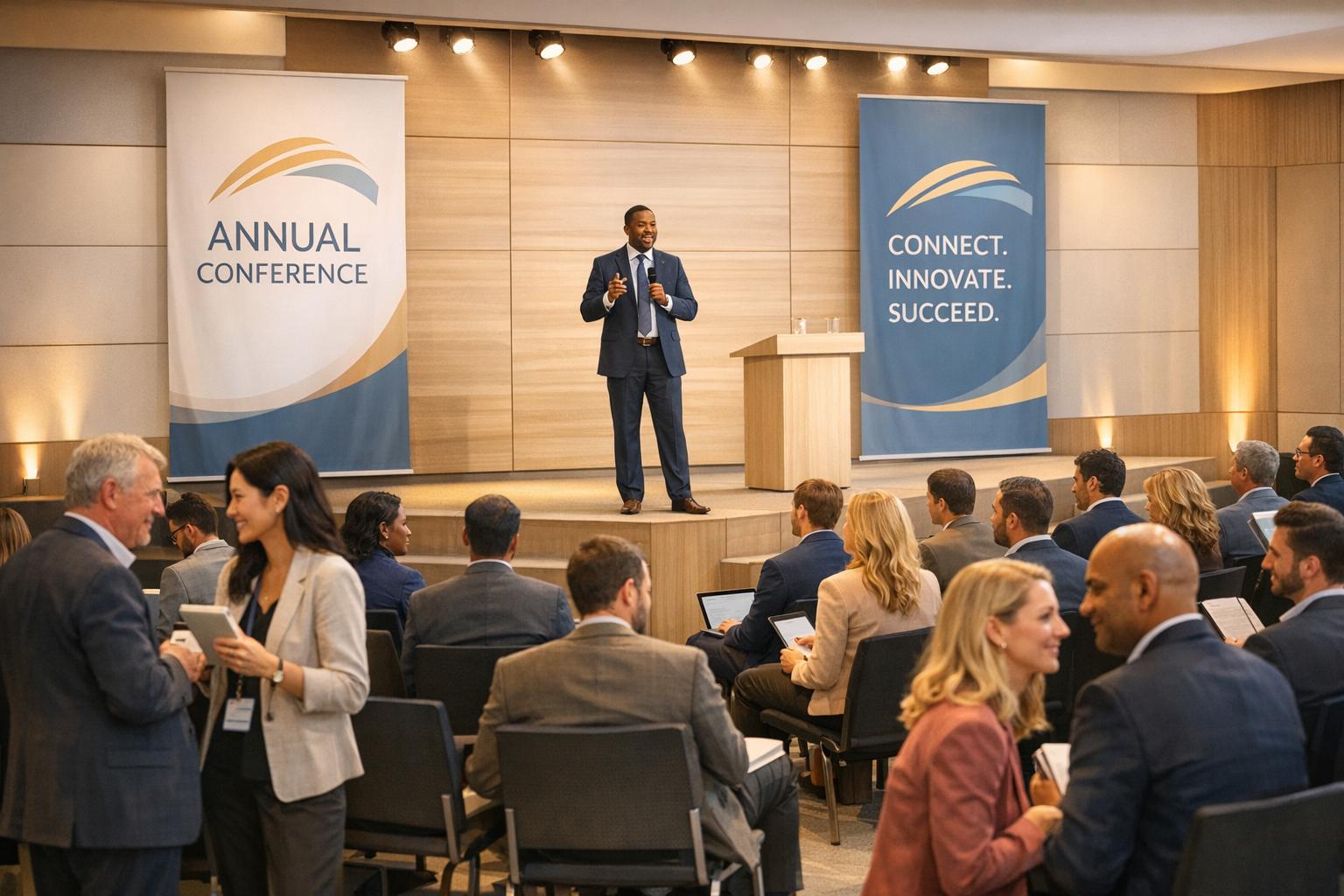
Hosting an annual conference can transform your organization’s growth and impact. It’s not just about gathering people - it’s about driving results. Here’s why:
- Stay Ahead in Your Industry: Conferences reveal trends, tech, and regulations early - 70% of executives first learn about new solutions at events.
- Build Stronger Networks: In-person connections are more effective, with 80% of attendees preferring face-to-face over virtual interactions.
- Upskill Your Team: 71% of employees say training boosts satisfaction, and conferences offer hands-on learning and fresh perspectives.
- Establish Authority: Hosting a conference positions your organization as a leader, boosting your brand’s visibility by up to 76%.
- Gain Practical Solutions: Access expert insights and actionable tools tailored to your industry’s challenges.
Conferences aren’t just an event - they’re a strategic investment in knowledge and ROI, relationships, and long-term success. Ready to make your mark?

5 Key Benefits of Annual Conferences: Statistics and Impact
The Benefits of Bundling Event Planning and Event Production
sbb-itb-ae35a94
1. Keep Up With Industry Changes and Requirements
Industries are always on the move. In fact, 70% of executives first hear about new solutions at in-person events. Conferences are often the first place where regulatory updates, emerging technologies, and market trends are unveiled - well before they hit the mainstream. This early exposure can give your organization an edge that’s tough to replicate elsewhere. These insights aren’t just interesting - they’re crucial for shaping strategic decisions.
But the real game-changer isn’t just learning about trends; it’s knowing how to apply them. Industry experts at conferences cut through the endless noise online and deliver actionable insights tailored to your business. Take the "INDUSTRY: The Product Conference" held in Cleveland in September 2024, for example. Speakers from The Home Depot and Irrational Labs tackled a major challenge: many Product Managers lack formal training for their roles. Events like this help professionals stay aligned with current industry benchmarks.
"Conferences provide your team members with access to thought leaders and industry experts who can equip them with the latest research and industry-specific emerging trends." - Manuela Domingos, SHRM
The benefits are both immediate and measurable. 65% of attendees implement ideas they learn at conferences directly into their organizations, and companies offering these opportunities often see up to 50% higher employee retention rates. SHRM’s annual conferences, which attract over 30,000 attendees, highlight how these events serve as a hub for qualitative research. HR leaders, for instance, use them to identify gaps in benefits and workplace practices through peer comparisons. Roundtable discussions further allow leaders to benchmark their strategies against industry standards.
2. Build Professional Networks and Business Partnerships
Did you know that 80% of attendees prefer in-person events over virtual ones? That’s because face-to-face interactions offer something digital platforms can’t: the ability to read body language, build trust, and form deeper connections. Plus, people who network in person are statistically more likely to land job offers compared to those who rely solely on online connections.
Industry consultant Lena Grundhoefer captures this perfectly:
"Everyone assumes the business happens on the trade floor, but little do they know the handshakes happen in intimate settings".
This is where satellite events come into play. These smaller, more casual gatherings - held at venues near the main conference - create the perfect environment for organic, relaxed conversations. It’s often in these settings where chance encounters lead to unexpected partnerships and long-lasting professional relationships. These moments can boost your visibility and open doors to valuable opportunities.
Hosting a conference also transforms your team into natural brand ambassadors. As they interact with attendees and sponsors, they help spark new collaborations and strengthen your organization’s position in the industry. This networking ripple effect not only enhances partnerships but also solidifies your role as a key player in driving sector growth.
To make networking even more effective, conference organizers weave it into the schedule through activities like happy hours, mixers, and team-building events. Some even go high-tech, using tools like SmartBadges to streamline contact exchanges and lead retrievals. And don’t underestimate the power of unstructured time between sessions - it’s often during these moments that meaningful conversations blossom into vendor partnerships, client deals, or collaborative projects.
3. Improve Employee Skills and Engagement
Did you know that 51% of workers feel depleted and 45% end their day emotionally drained? Annual conferences can offer a much-needed reset, creating opportunities for learning, growth, and renewed energy.
The connection between training and job satisfaction is undeniable. In fact, 71% of employees report that job training enhances their satisfaction, while 61% say upskilling is a key reason they stay in their roles. By investing in conferences, organizations give their teams the chance to represent the brand confidently while gaining expertise that can be applied directly to their work.
Conferences are more than just lectures - they bring a variety of learning formats, including keynote speeches, panel discussions, workshops, breakout sessions, and roundtable conversations. These events provide direct access to industry leaders and offer hands-on learning opportunities.
"Conference attendees can bring back new knowledge to their business and teammates. Networking is also important - engaging with other professionals and researchers provides brand-new business opportunities." - Geoff Donaghy, CEO of ICC Sydney
But it’s not just about technical skills. Conferences also help employees strengthen soft skills like communication, teamwork, and time management. Stepping into a new environment challenges them to think creatively and break free from routine, sparking innovation and fresh motivation.
To ensure the organization gets the most out of this investment, encourage attendees to share their insights. They could host a lunch-and-learn session, write a blog post, or create social media content to highlight key takeaways. This approach not only spreads knowledge across the team but also enhances the company’s overall expertise and market presence.
4. Position Your Organization as an Industry Leader
Hosting an annual conference places your organization at the heart of industry discussions. Research indicates that conferences can boost brand recognition by up to 76%, making them a powerful way to establish authority in your field.
By organizing events with engaging formats and featuring expert speakers, you create a platform that shapes industry standards. Bringing together top professionals, encouraging the exchange of ideas, and showcasing forward-thinking initiatives positions your organization as a key voice in defining industry priorities.
"Large-scale conferences are brimming with opportunities for knowledge exchange. It's your chance to establish yourself as an authority in your industry." - Olivia Cal, Cvent
The secret to success lies in crafting a clear, specific purpose for your event. Instead of choosing a broad theme like "connecting professionals", focus on a mission that resonates, such as promoting cross-generational learning and collaboration. This targeted approach attracts top-tier professionals and helps cement your reputation as a leader in the field.
Your influence doesn’t have to end when the event does. Repurpose conference content into blog posts, infographics, and social media updates to keep the conversation going and reinforce your standing as an industry authority. With the conference and exhibition industry expected to hit $36.31 billion by 2026, now is the perfect time to make your mark.
5. Gain Expert Knowledge and Practical Solutions
Annual conferences are a treasure trove of insights, offering your team access to industry leaders who share the latest research, trends, and practical tools. These events are an opportunity to learn directly from some of the most experienced minds in the field.
"Conferences... are directories of expert level knowledge and subject matter expertise and can be accessed for a wide range of reasons following a conference." - Elizabeth Wilcox, Sr. Consultant for Advising, UC Berkeley
Beyond expert talks, conferences often include targeted sessions designed to tackle specific operational challenges. These sessions provide actionable solutions tailored to real-world problems.
Workshops and roundtables bring a hands-on element to the learning experience. For example, the 34th Congress hosted by ICC Sydney drew over 1,600 delegates. The event gave younger professionals the chance to connect with seasoned experts, gaining practical tips they could implement right away.
Exclusive Q&A panels with industry leaders go a step further by addressing unique challenges faced by attendees. These sessions allow employees to ask targeted questions about topics like remote collaboration tools, maintaining workplace culture, or solving operational issues. Such direct engagement helps organizations compare their practices with industry benchmarks and identify areas for improvement.
To ensure the knowledge gained doesn’t fade, many conferences offer on-demand recordings and digital libraries. Assigning team members to attend different sessions and hosting debrief meetings afterward can help your organization capture and apply a broad range of expertise.
How to Plan and Execute Your Annual Conference
When planning your annual conference, start early - ideally 6 to 12 months in advance. Smaller events might only need six months of preparation, but larger gatherings with 1,200+ attendees and 50+ sessions require a full year of planning. Begin by setting SMART goals (specific, measurable, achievable, relevant, and time-bound). These targets should clearly define what success looks like and align with your business objectives.
Budget management is another critical step. Break down your expenses into two categories: fixed costs like venue rental, speaker fees, and marketing, and variable costs such as catering and attendee materials. Always set aside a contingency fund to cover unexpected expenses like last-minute A/V needs or weather-related adjustments. On the revenue side, track all income sources, including tiered sponsorships, exhibitor fees, and registration packages, to maximize your earnings.
"The experience that we aim to create... is welcoming, informational, but most importantly, fast. That is the first impression [attendees] have of your brand and your conference." - Alyssia Peltier, Director of Market Insights, Cvent
To broaden your reach, consider incorporating hybrid event strategies.
Hybrid formats allow you to engage both in-person and remote attendees, making your event accessible to those unable to travel. For instance, events hosted on Bizzabo's platform saw a 36% increase in hybrid participation during Q1 2023. To create a seamless experience for virtual attendees, assign a dedicated team to handle live-streaming, manage chat interactions, and keep remote participants engaged. It’s also essential to test all technology - A/V systems, streaming platforms, and mobile apps - at least a day before the event to troubleshoot any issues.
For complex logistics, professional event management services like Corporate Optics can be a game-changer. They handle everything from negotiating venue contracts and coordinating conference event production to supporting speakers and addressing minor details that could escalate into major problems. Their expertise ensures a seamless experience for both in-person and virtual attendees. Plus, they provide post-event analytics to measure ROI through metrics like session attendance, digital interactions, and qualified leads. This allows your team to focus on delivering valuable content and building relationships with attendees rather than worrying about technical details.
Conclusion
Annual conferences offer a wealth of benefits across five key areas: staying informed about industry trends, building valuable networks, refining skills, establishing a position as a thought leader, and gaining insights from experts. These advantages not only deliver immediate results but also create a solid base for sustained growth and success.
Over time, these events position your organization as a hub for forward-thinking ideas and help cultivate enduring professional relationships. As Kris Grant, CEO of ASPL Group, explains:
"Investing in international conferences can encourage innovation by developing an employee's growth mindset and encourage them to gain skills and apply new knowledge learned from a global perspective to their own organisation".
Participation also enhances visibility and trust. In fact, 85% of exhibitors cite lead generation and sales as their main reasons for attending conferences.
With projections showing the global live event industry could hit $1.2 trillion by 2032, organizations that prioritize annual conferences are securing a competitive edge. The key is to start with clear, measurable goals - whether it’s boosting attendance by 10% or hitting specific lead generation numbers - and build a strategy around those objectives.
Ready to host or improve your next conference? As discussed earlier, success hinges on early, strategic planning. Assemble your team 9–12 months ahead of the event, define meaningful success metrics, and focus on nurturing partnerships, showcasing forward-thinking ideas, and empowering your team. This upfront effort will yield significant returns, from a stronger industry presence and deeper client connections to a motivated team that embodies your brand's values.
FAQs
How does hosting an annual conference boost our organization's industry reputation?
Hosting an annual conference positions your organization as a key voice in your industry. By sharing fresh insights, hosting panels and workshops, and presenting research, you showcase expertise that sets you apart. This builds trust and establishes your event as a go-to platform for meaningful industry conversations.
Conferences also open doors to valuable connections. Face-to-face interactions during networking sessions, roundtables, or live demos can spark partnerships, attract new clients, and deepen relationships with existing ones. These connections often grow into long-term collaborations, boosting loyalty and strengthening your place in the industry.
A well-executed conference also reflects your organization's vision and values. From consistent branding to carefully chosen content and engaging activities, every detail shapes how attendees perceive your organization. Delivering a standout experience ensures they associate your event - and your brand - with leadership and forward-thinking. Over time, this cements your reputation as a driving force in your field.
How can we create better networking opportunities at our annual conference?
To make networking a highlight of your annual conference, start by bringing together attendees with shared goals or complementary expertise. A well-curated attendee list can set the stage for meaningful connections. Take it a step further by using tools like matchmaking apps to recommend one-on-one meetings based on mutual interests before the event even begins.
During the conference, structured activities can help break the ice and guide interactions. Think speed networking sessions, themed roundtables, or breakout discussions led by engaging speakers. These formats encourage focused conversations and help participants connect on specific topics.
Don’t forget to create inviting spaces for informal networking. Comfortable lounges, coffee bars, and dedicated hubs with high tables can foster organic interactions. Adding a social twist - like happy hours, team-building games, or even a conference-wide scavenger hunt - keeps things lively and fun. If your event includes virtual attendees, ensure they can join in with features like breakout rooms and real-time chat platforms.
After the event, keep the momentum going. Send follow-up emails with attendee contact details (with their consent) and a survey to gather feedback. You could also set up a post-conference portal where participants can continue conversations, exchange resources, and schedule future meetings. This helps transform initial connections into lasting professional relationships.
How can we evaluate the success of our annual conference?
To gauge how well your annual conference performed, zero in on three main areas: financial performance, participant engagement, and brand impact. Start with the numbers - calculate your ROI by subtracting the total event expenses (think venue, production, travel, marketing, etc.) from the revenue you brought in through ticket sales, sponsorships, and exhibitor fees. If the result is positive, it’s a clear sign the event was financially worthwhile.
Next, dive into attendee engagement. Compare the number of registrations to actual attendance, check how many attendees returned from previous years, and track participation in sessions. Post-event surveys are goldmines for feedback - use them to gather insights and calculate metrics like Net Promoter Score (NPS) or session ratings. Strong scores here mean attendees found real value in the experience.
Lastly, evaluate how the event boosted your brand. Look at media coverage, social media activity (like hashtag usage and impressions), and qualitative feedback such as testimonials. When these financial, engagement, and branding indicators show upward trends, you’ve got a solid recipe for a successful conference.
Related Blog Posts


Streamline your workflow, achieve more

Lorem ipsum dolor sit amet, consectetur adipiscing elit. Maecenas ac velit pellentesque, feugiat justo sed, aliquet felis.



Lorem ipsum dolor sit amet, consectetur adipiscing elit. Maecenas ac velit pellentesque, feugiat justo sed, aliquet felis.