7 Tips Meeting Production Companies Use When Managing Shareholder and Board Meetings

Chief Executive Officer
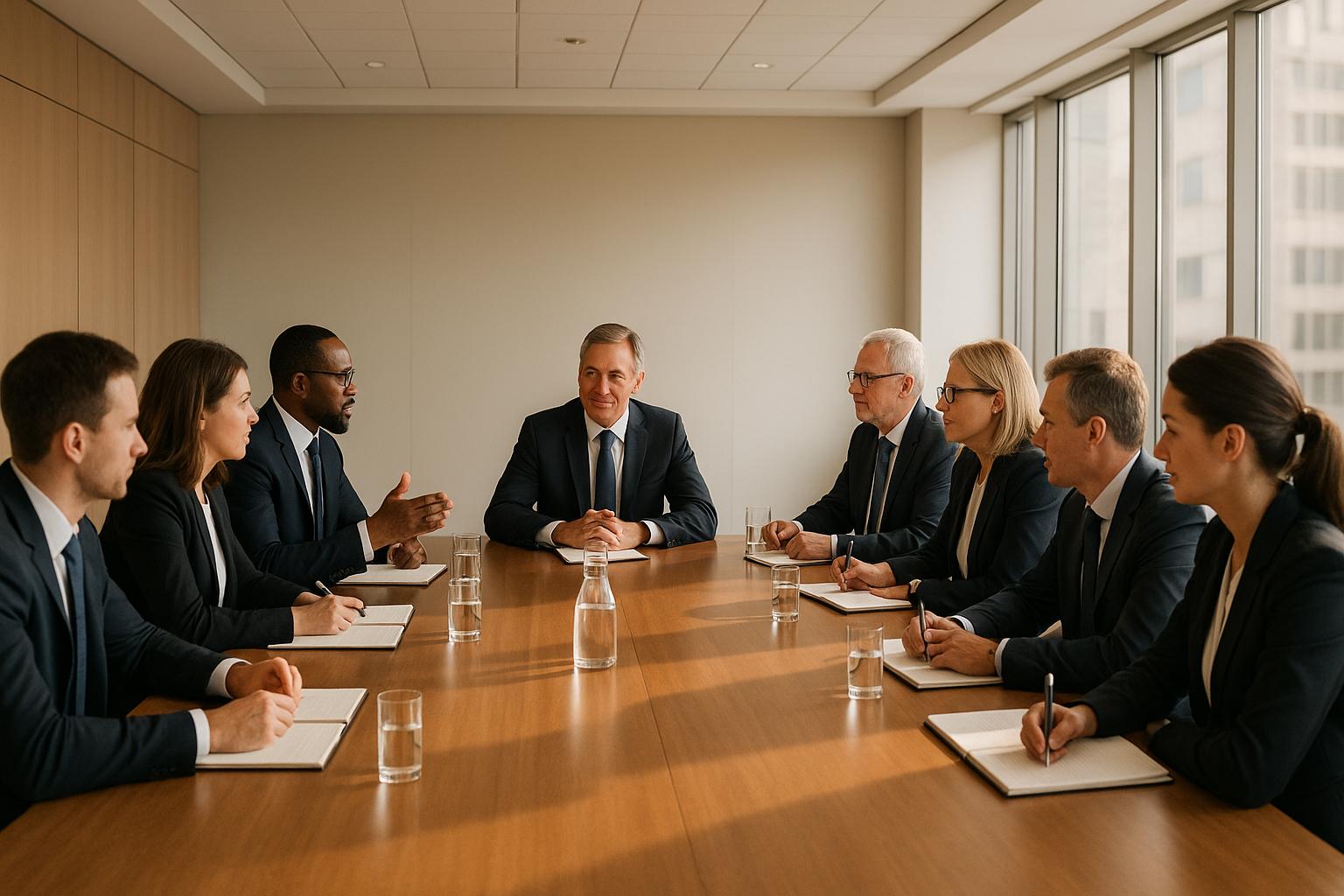
Running shareholder and board meetings involves juggling legal requirements, technical demands, and stakeholder expectations. Here's a quick breakdown of the key strategies used by meeting production companies to ensure these high-stakes events run smoothly:
- Carefully Plan Agendas: Structure meetings for efficiency, prioritize critical decisions, and integrate real-time tools for engagement.
- Use Professional AV Equipment: Invest in high-quality microphones, cameras, and displays to ensure clear communication for in-person and remote attendees.
- Secure Communication Systems: Implement encryption, multi-factor authentication, and role-based access controls to protect sensitive information.
- Support Hybrid Attendees: Equip meetings with tools for seamless participation, like synchronized screen sharing and live polling.
- Ensure Compliance and Record Keeping: Use advanced systems to document decisions, votes, and attendance while meeting regulatory standards.
- Engage the Audience: Incorporate interactive elements like Q&A sessions, visual storytelling, and audience response tools to maintain focus.
- Prepare for Risks: Build contingency plans with backups for internet, AV systems, and agendas to handle disruptions effectively.
Preparing for Board Meetings – 4 Actions To Be Confident & Credible
1. Plan Your Meeting Agenda Carefully
Having a well-structured agenda is the backbone of any productive meeting. It brings order to discussions, ensures time is used wisely, and balances the needs of stakeholders and regulatory requirements.
Effectiveness in Achieving Meeting Objectives
Every agenda item should have a clear, measurable goal. This ensures that each part of the meeting contributes to meaningful decisions and tangible outcomes.
Start with the most critical decisions early in the meeting while energy and focus are at their peak. Routine updates and less pressing matters can be addressed later. When dealing with complex or potentially divisive topics, allocate strict time limits to keep discussions on track and prevent them from overshadowing other agenda points.
This structured approach lays the groundwork for an agenda that is flexible and integrates seamlessly with modern technology.
Adjusting to High-Stakes Corporate Needs
Corporate meetings often face unexpected changes - new regulations, urgent developments, or shifting priorities. To handle this, consider building modular agenda segments and preparing alternate versions. Stay in close communication with leadership to adapt quickly to last-minute updates.
Risk management is another key element of planning. Identify topics that might spark debate or require delicate handling. Strategies such as consulting key stakeholders ahead of time, preparing detailed supporting materials, or scheduling these discussions when decision-makers are available can help mitigate potential disruptions.
Stakeholder mapping is also invaluable. By identifying which agenda items require input from specific board members or shareholders, you can ensure the right expertise is brought in at the right moment.
Leveraging Technology for Engagement and Communication
Digital tools can transform the way meetings are run. Use platforms that allow for real-time updates, document sharing, integrated voting, and streaming to keep everyone informed and engaged.
Incorporate interactive features into the agenda to boost participation. For example, schedule polling questions to gauge opinions or use digital systems to collect and manage Q&A submissions. These tools make it easier to engage stakeholders in real time. Additionally, linking agenda items to relevant documents - such as financial reports or legal analyses - ensures everyone has the information they need at their fingertips during discussions.
While technology enhances efficiency, it’s critical to ensure all tools and processes meet legal and regulatory standards.
Meeting US Corporate Governance Standards
Agendas for corporate meetings must comply with SEC and state regulations. Using standardized templates can help ensure proper notice, inclusion of required items, and accurate language for shareholder proposals.
For public companies, aligning the agenda with proxy statements is essential. The agenda should reflect all items disclosed in proxy materials, using consistent language and order. Any changes to this alignment must go through legal review and, if needed, be addressed with amended filings.
Voting procedures should also be clearly outlined in the agenda. Specify the type of vote required - whether a simple majority, supermajority, or unanimous consent - and allocate enough time for vote counting and result announcements.
Finally, a good agenda design supports thorough record-keeping. Include space for noting key points, decisions, and voting outcomes for each item. This ensures comprehensive documentation of the meeting, which is vital for both legal compliance and future reference.
With a solid agenda in place, the rest of the meeting process becomes much smoother, setting the stage for effective board and shareholder collaboration.
2. Set Up Professional Audiovisual Equipment
When it comes to shareholder and board meetings, having top-notch audiovisual (AV) equipment isn't just a nice-to-have - it's a necessity. A professional AV setup ensures that everyone, whether they're in the room or dialing in remotely, can participate without a hitch.
Effectiveness in Achieving Meeting Objectives
A well-designed AV system removes communication roadblocks, keeping meetings focused and productive. For instance, echo-canceling microphones ensure crystal-clear audio, so every word is captured - even during critical moments like voting or dissecting complex financial data.
Strategically placed cameras ensure participants are framed properly, while large 4K displays (65 inches or more) make it easy for everyone in the room to view financial reports and presentations clearly. To strike the right balance, many professionals follow the "40-30-20" budgeting rule: 40% for visual displays, 30% for audio systems, and 20% for cameras. This approach ensures all essential components are covered while maintaining a balanced setup for meeting needs.
With this solid technical foundation, your AV system can handle the fast-paced demands of high-stakes corporate discussions.
Adaptability to High-Stakes Corporate Environments
Corporate boardrooms require AV systems that can adapt to sudden changes without causing interruptions. USB-based conferencing systems are a great example - they offer plug-and-play compatibility with platforms like Microsoft Teams, Zoom, Google Meet, and WebEx, making them incredibly versatile. For superior audio quality, Dante-enabled microphones and speakers are a smart choice. These systems adjust automatically to the room's acoustics and participant placement, ensuring consistent sound delivery.
Smart room automation takes things a step further by dynamically adjusting lighting, volume, and even camera angles. AI-powered tracking systems follow speakers automatically, giving remote participants a clear view of whoever is presenting. These features not only reduce potential disruptions but also keep the meeting aligned with its strategic goals.
Use of Technology to Enhance Communication and Engagement
Modern AV technology does more than just facilitate communication - it makes meetings more interactive and engaging. Features like live polling allow for real-time voting on proposals, giving instant feedback on shareholder sentiment without interrupting the flow of the meeting.
The global video conferencing market is projected to hit $8.56 billion by 2027, underscoring the growing demand for hybrid meeting solutions. Professional AV setups make it easy to integrate in-person and remote attendees with tools like advanced video conferencing, live streaming, and recording capabilities.
For visual presentations, laser projectors and LED walls provide immersive experiences that keep participants engaged, even during lengthy discussions. Interactive elements like digital document sharing and electronic Q&A tools allow shareholders to submit questions seamlessly, making communication more efficient.
3. Ensure Secure Communication Systems
When handling confidential corporate information, security isn't just important - it's non-negotiable. Shareholder and board meetings often deal with sensitive topics like financial performance and strategic plans. That’s why meeting production companies must prioritize stringent security measures to safeguard communications.
A reliable AV setup is just the start. Secure communication systems take it further by protecting data at every level. Encryption ensures that audio, video, and shared documents remain private. Multi-factor authentication (MFA) adds an extra layer of protection by verifying participants’ identities, while role-based access controls ensure that only the right people can access specific information. On top of that, real-time security monitoring helps detect and address potential threats during live meetings, minimizing risks in high-pressure environments.
Secure document-sharing tools are another must-have. They allow safe access to critical materials like meeting packets and financial reports without compromising confidentiality. With these systems in place, production teams can focus on delivering seamless support for hybrid attendees while keeping stakeholders fully engaged and secure.
4. Support Hybrid and Remote Attendees
Today’s shareholder and board meetings are no longer confined to traditional boardrooms. With directors and stakeholders often spread across various time zones, hybrid meeting formats have become a necessity in corporate governance. Meeting production teams now face the challenge of creating seamless experiences that keep both in-person and remote attendees equally engaged and involved. Here’s how technology and strategy can bridge the gap.
Leveraging Technology for Better Communication and Engagement
To make hybrid meetings work, equal participation for all attendees - whether they’re in the room or dialing in remotely - is essential. This means investing in tools like multiple camera angles, high-quality microphones, and dedicated audio feeds to ensure remote participants can see and hear everything as clearly as those physically present.
Interactive polling systems are particularly effective in hybrid setups. Remote attendees can cast their votes or provide feedback through secure digital platforms, while in-person participants use the same system on their devices. This unified approach ensures fair and accurate decision-making, no matter where participants are located.
Another crucial element is synchronized screen sharing. Whether a board member is presenting from their home office or the CFO is showcasing financial reports from headquarters, all participants should view the same high-resolution content at the same time. To achieve this, many production teams rely on advanced streaming platforms that efficiently compress data without compromising quality.
Preparing for High-Stakes Corporate Settings
Corporate meetings often involve critical decisions or announcements, leaving no room for technical mishaps. To avoid disruptions, production teams implement system redundancies. For example, if the primary internet connection fails, a backup cellular network can take over instantly. Similarly, if a microphone malfunctions, wireless alternatives are ready to step in without delay.
Timing is another crucial factor. Scheduling meetings during overlapping business hours ensures maximum participation across time zones. Additionally, providing high-quality recordings that meet broadcast standards allows remote attendees to review discussions or catch up if they miss any part of the meeting.
Ensuring Compliance with US Corporate Governance Standards
Hybrid meetings must also meet the legal and regulatory requirements outlined by Delaware General Corporation Law and SEC regulations. Digital attendance tracking systems can log when participants join and leave, creating detailed audit trails that satisfy compliance standards.
Voting in a hybrid setting requires extra layers of security. Using multi-factor authentication ensures only authorized participants can vote, while still maintaining the anonymity needed for sensitive decisions. This safeguards the integrity of the voting process and prevents unauthorized access.
Record-keeping is equally important. Audio and video recordings must capture remote attendees’ contributions with the same clarity as those made in person. Many production teams address this by recording remote and in-person audio on separate channels, later blending them into a comprehensive archive that meets corporate documentation requirements.
sbb-itb-ae35a94
5. Handle Compliance and Record Keeping
Corporate meetings generate a wealth of documentation that must align with legal and regulatory requirements. Meeting production companies use sophisticated systems to capture, store, and organize records in line with federal regulations and state laws. This meticulous approach ensures transparency in decision-making and supports legal compliance during and after the meeting.
Compliance with US Corporate Governance Standards
Many states mandate detailed documentation of board decisions, voting outcomes, and attendance. Public companies face even stricter requirements, with additional disclosure and recordkeeping standards enforced by regulatory agencies. To meet these demands, production teams often deploy multi-channel recording systems that document discussions and votes clearly, even in fast-paced or complex settings.
This approach creates a trustworthy, tamper-proof record that meets all regulatory expectations.
Leveraging Technology for Better Documentation and Security
Modern technology plays a key role in simplifying compliance and safeguarding records. Advanced compliance tools now integrate with corporate governance platforms, making documentation more efficient. Features like real-time transcription and cloud-based storage with strong encryption not only streamline the process but also protect records from data loss or breaches.
These systems often include redundant backup protocols to guard against unauthorized access or technical failures.
Automation further enhances compliance reporting by generating required filings and corporate documents directly from recorded data. This reduces the risk of human error and ensures consistency across all official records.
Meeting the Demands of High-Stakes Corporate Settings
In high-pressure environments where accuracy is non-negotiable, advanced production protocols take compliance and security to the next level. High-stakes corporate meetings - covering topics like mergers, executive compensation, or crisis management - require heightened confidentiality. Production teams respond by enforcing strict security measures to protect sensitive discussions.
Clear chain-of-custody procedures ensure that meeting recordings remain legally credible. Teams meticulously track who accesses the recordings and document any transfers or changes, maintaining a transparent accountability trail.
To avoid disruptions, redundant recording systems are often used, ensuring continuous documentation even if equipment fails. For executive sessions involving highly confidential matters, specialized protocols restrict access to recordings and safeguard sensitive information, reinforcing the importance of security in these critical moments.
6. Keep Your Audience Engaged
Shareholder and board meetings can quickly lose steam without strategies to keep participants engaged. Meeting production companies recognize that sustained attention is critical for driving effective decisions and achieving desired outcomes. This becomes even more challenging when dealing with dense financial reports, lengthy presentations, and a mix of stakeholders with varying levels of expertise. Here’s how engagement can be maintained throughout these high-stakes sessions.
Effectiveness in Achieving Meeting Objectives
Active involvement is key to better decision-making. To keep board members and shareholders focused, production teams use tailored tools like interactive polling for real-time feedback and well-timed breaks to combat decision fatigue.
Visual storytelling is another game-changer. Instead of overwhelming attendees with spreadsheets and raw data, production companies work with presenters to create dynamic infographics and animated charts that make complex financial information easier to understand. This approach helps stakeholders quickly grasp the key points and make more informed decisions.
Facilitators also structure meetings to encourage dialogue. By dedicating time for Q&A sessions after major topics and using moderated discussions, they ensure all voices are heard. This collaborative setup allows for diverse perspectives to be considered before any critical votes are cast.
Adapting to High-Stakes Corporate Challenges
When companies face high-pressure situations like regulatory issues, mergers, or leadership changes, the usual meeting formats often fall short. Production teams step in with strategies designed specifically for these scenarios to ensure focus and clarity under pressure.
For emergency meetings, quick access to information and streamlined communication are vital. Production companies might prepare both in-depth presentations for detailed reviews and concise summaries for rapid decision-making. This dual approach allows leadership to shift seamlessly between analysis and action.
Confidentiality is another priority during sensitive discussions, such as those involving executive pay or acquisition plans. Production teams create secure environments where participants can speak freely without risking sensitive information. Clear guidelines for off-record discussions help set boundaries, ensuring everyone understands how to approach delicate topics. These strategies often work hand-in-hand with digital tools to maintain seamless collaboration.
Leveraging Technology to Boost Engagement
Technology plays a major role in enhancing communication and participation. Audience response systems, for instance, enable instant feedback on proposals, often with anonymous voting options that encourage candid input.
AI-powered analytics add another layer by monitoring engagement levels throughout the meeting. These tools track participation trends and pinpoint moments when attention dips, giving facilitators real-time insights to adjust pacing or tweak content on the fly.
Digital whiteboards and multi-screen setups further enhance collaboration, especially for remote participants. These tools allow attendees to annotate documents, view live polling results, and access supporting materials in real time. Whether in the room or joining virtually, every participant can stay actively involved in brainstorming and decision-making sessions.
7. Prepare for Problems and Manage Risks
When planning meetings, it’s not just about engaging your audience - you also need to be ready for the unexpected. Developing contingency plans is essential to keep things on track, even when disruptions occur. Meeting production companies excel in creating detailed plans to tackle technical hiccups or last-minute agenda changes. The goal? Stay ahead of potential problems and have backup solutions ready to go.
Effectiveness in Achieving Meeting Objectives
Risk management plays a crucial role in ensuring meetings achieve their goals. A big part of this involves redundant systems - such as backup internet, AV equipment, and alternate communication tools. These systems act as safety nets, keeping everything running even when something goes wrong.
Emergency protocols are another must-have. These plans outline how to handle unexpected situations like medical emergencies, security threats, or attendance issues. Production teams are trained to spot early warning signs and respond swiftly without disrupting the meeting flow.
Flexibility is key, too. By documenting alternative agenda formats, you can adapt to shortened schedules or switch to remote-only participation if needed. This ensures that critical discussions and decisions move forward, no matter the circumstances.
Adaptability to High-Stakes Corporate Environments
In high-pressure corporate settings, risk management needs to go a step further to protect sensitive discussions. Production companies design protocols specifically for these environments.
One major concern is confidentiality. To prevent breaches, teams implement strict document handling procedures, such as controlled access to materials and clear guidelines for addressing unauthorized sharing.
Another challenge is regulatory compliance, particularly when meetings involve financial or strategic topics. Production teams collaborate with legal advisors to ensure decisions meet compliance standards. This often includes verifying that voting procedures align with regulatory requirements.
Crisis communication is also critical when meetings attract external attention, like media scrutiny or activist investor interest. Production companies prepare templates and assign specific team members to handle inquiries, so participants can stay focused on their agenda without distraction.
Use of Technology to Enhance Communication and Engagement
Technology offers powerful tools to manage risks and keep communication flowing during tough situations. Production teams use these tools to ensure meetings continue smoothly, even when challenges arise.
Real-time monitoring systems track key metrics like network stability, audio quality, and participant engagement. These systems send automated alerts to technical staff, often resolving issues before attendees even notice them.
Cloud-based backups are another lifesaver. By syncing critical materials - like documents, presentations, and voting records - to secure cloud platforms, meetings can continue seamlessly from any location or device if local systems fail.
Mobile communication platforms provide an alternative when primary systems go down. Dedicated apps and messaging tools keep key participants connected and informed, ensuring that everyone stays on the same page during disruptions.
These technologies work hand-in-hand with other measures, like AV reliability and attendee engagement strategies, to create a resilient meeting experience.
Compliance with US Corporate Governance Standards
Risk management strategies must also align with US corporate governance rules. Production companies ensure their procedures meet these legal requirements.
For example, record-keeping requirements under SEC regulations mean that meeting activities must be documented thoroughly. To meet this standard, production teams often use multiple recording systems and even certified stenographers as a backup to digital recordings.
Quorum maintenance is another critical area. When technical issues disrupt participation, teams monitor attendance in real time and implement procedures to reconnect participants or adjust processes to maintain a legal quorum.
Preserving voting integrity is equally important. Backup voting systems with secure audit trails ensure that all votes remain valid and compliant, even during technical disruptions.
Lastly, emergency notification procedures are in place to inform all required parties about changes or delays. This involves maintaining up-to-date contact lists and using multiple channels to send urgent notifications, ensuring compliance with corporate bylaws and regulatory mandates.
Comparison Table
Choosing the right meeting format and AV setup directly impacts costs, audience engagement, and technical complexity. The following comparisons highlight how careful planning and equipment selection align with the production strategies discussed earlier.
Meeting Format Comparison
| Aspect | In-Person Only | Hybrid Meeting | Virtual Only |
|---|---|---|---|
| Setup Cost | Includes venue rental and related logistical fees | Requires added investment in streaming and digital infrastructure | Lower costs focused on digital platforms |
| Venue Requirements | Needs a dedicated conference facility | Requires a venue with advanced AV capabilities and live streaming support | No physical venue; hosted remotely or in a studio |
| Technical Staff Needed | Moderate on-site technical support | Additional staff to manage both in-person and online components | Fewer technicians needed for monitoring digital platforms |
| Audience Capacity | Limited by physical venue size | Combines physical venue limits with virtually unlimited online participation | Unlimited virtual audience capacity |
| Engagement Tools | Uses traditional methods like physical voting | Blends physical and digital tools, such as live chat and interactive Q&A | Relies on features like breakout rooms and live polls |
| Risk Factors | Affected by weather or travel delays | Dual systems increase the chance of simultaneous technical issues | Dependent on stable internet and platform reliability |
| Compliance Recording | Standard recording setup | Multi-angle recording and screen capture for comprehensive coverage | Platform-based recording with backup options |
Essential AV Equipment Specifications
| Equipment Type | Specifications | Coverage Area | Typical Use Case |
|---|---|---|---|
| Professional Cameras | High-definition with advanced zoom capabilities | Captures detailed visuals | Documenting close-ups and important meeting moments |
| Wireless Microphones | Reliable transmission with extended range | Suitable for standard conference rooms | Ensuring clear audio for speakers and Q&A sessions |
| LED Display Screens | Large-format, high-resolution panels | Ideal for mid-to-large venues | Showcasing presentations, live results, or digital content |
| Streaming Encoders | Efficient encoding for high-quality live output | N/A – Digital signal processing focus | Supporting live streaming for remote participants |
| Audio Mixing Console | Multi-channel digital mixer with precise control | Covers full venue sound management | Balancing audio sources for clarity during the event |
| Backup Internet | High-speed, dedicated backup connectivity | Comprehensive digital coverage | Preventing interruptions, especially in hybrid formats |
In-person meetings often come with higher venue and logistics costs, while hybrid formats require extra investment in streaming and AV integration. Virtual meetings tend to have the lowest setup costs, focusing on digital platforms. Hybrid formats, however, demand meticulous AV coordination to merge in-person and remote elements seamlessly, including dual audio systems and carefully managed setups.
Audience engagement also varies significantly. In-person events thrive on direct interaction, such as live Q&A sessions. Hybrid events require thoughtful strategies to engage remote attendees without overshadowing the live audience. Virtual meetings rely heavily on platform features like breakout rooms and live polls to keep participants involved.
Backup systems for cameras, microphones, and internet connectivity are crucial for all formats to ensure smooth execution and maintain compliance. The AV equipment and meeting formats outlined here play a key role in the event's overall success, as discussed in earlier sections.
Conclusion
Organizing shareholder and board meetings requires careful preparation, modern tools, and a solid approach to managing risks. These seven essential tips can help production companies create smooth, compliant events.
Key elements like a well-structured agenda, professional audiovisual setups, secure communication channels, and reliable hybrid meeting support form the backbone of effective and inclusive gatherings.
The role of compliance and record-keeping is critical, especially given that only around 25% of organizations have clearly defined risk appetite frameworks. Maintaining strong documentation isn’t just about meeting legal obligations - it’s also vital for building transparency with stakeholders.
Keeping participants engaged is equally important. Whether attendees are in the room or joining remotely, audience engagement strategies ensure they stay focused and involved. But what truly sets successful meetings apart is proactive risk management and contingency planning. Boards play a key role here, as they oversee risks and ensure that the organization’s actions align with stakeholder expectations. Technical glitches, security issues, or communication breakdowns during meetings can have serious consequences, making preparation essential.
Finally, decisions about meeting formats and equipment should be tailored to your organization’s needs, budget, and risk tolerance. Comparison tables can help weigh the impact of these choices on costs, engagement, and overall complexity, ensuring a thoughtful and effective approach.
FAQs
How do meeting production companies ensure shareholder and board meetings comply with US corporate governance standards?
Meeting production companies can meet US corporate governance standards by sticking to a few important practices. First, they should follow state-specific open meeting laws, which typically require giving proper notice, allowing public access, and keeping detailed records of the proceedings. Accessibility is another key factor - this means offering accommodations like sign language interpreters or electronic access to ensure individuals with disabilities can participate.
On the federal level, compliance with regulations that mandate public observation of meetings is equally important. To maintain transparency and accountability, companies should also keep accurate and detailed records, including meeting minutes that note the date, time, and list of attendees. These steps help ensure everything runs smoothly and stays above board.
How can I keep both in-person and remote attendees engaged during a hybrid meeting?
To keep everyone engaged during a hybrid meeting - whether they're in the room or joining remotely - prioritize inclusivity and interaction. Make remote participants feel like they're part of the action by addressing them directly, using reliable audiovisual tools, and tailoring content to suit their experience.
Boost engagement by incorporating live polls, Q&A sessions, and interactive features that both in-person and virtual attendees can use. To bridge the gap between the two groups, consider breakout sessions or virtual networking opportunities that encourage collaboration. And don’t forget to add some fun - activities like games or icebreakers during breaks can keep the energy up and help attendees connect. With thoughtful planning, you can create a meeting where everyone feels involved and valued, no matter their location.
What are the key risks in shareholder and board meetings, and how can they be effectively managed?
Shareholder and board meetings often tackle tough challenges, such as addressing key business priorities, managing new risks, and staying aligned with the company’s overall strategies. These issues can directly influence a company’s core values, day-to-day operations, and overall approach to risk management.
To stay ahead of these challenges, boards should make risk oversight a central part of their decision-making. This means keeping a close eye on major risk factors, ensuring that risk management policies are in sync with the company’s objectives, and confirming these policies are working as intended. Assigning risk oversight to a dedicated subcommittee, like the audit committee, can also help keep the process focused and ensure clear accountability.
Related Blog Posts


Streamline your workflow, achieve more

Lorem ipsum dolor sit amet, consectetur adipiscing elit. Maecenas ac velit pellentesque, feugiat justo sed, aliquet felis.



Lorem ipsum dolor sit amet, consectetur adipiscing elit. Maecenas ac velit pellentesque, feugiat justo sed, aliquet felis.