How Event Planners Use AI to Plan Smarter and Faster

Chief Executive Officer
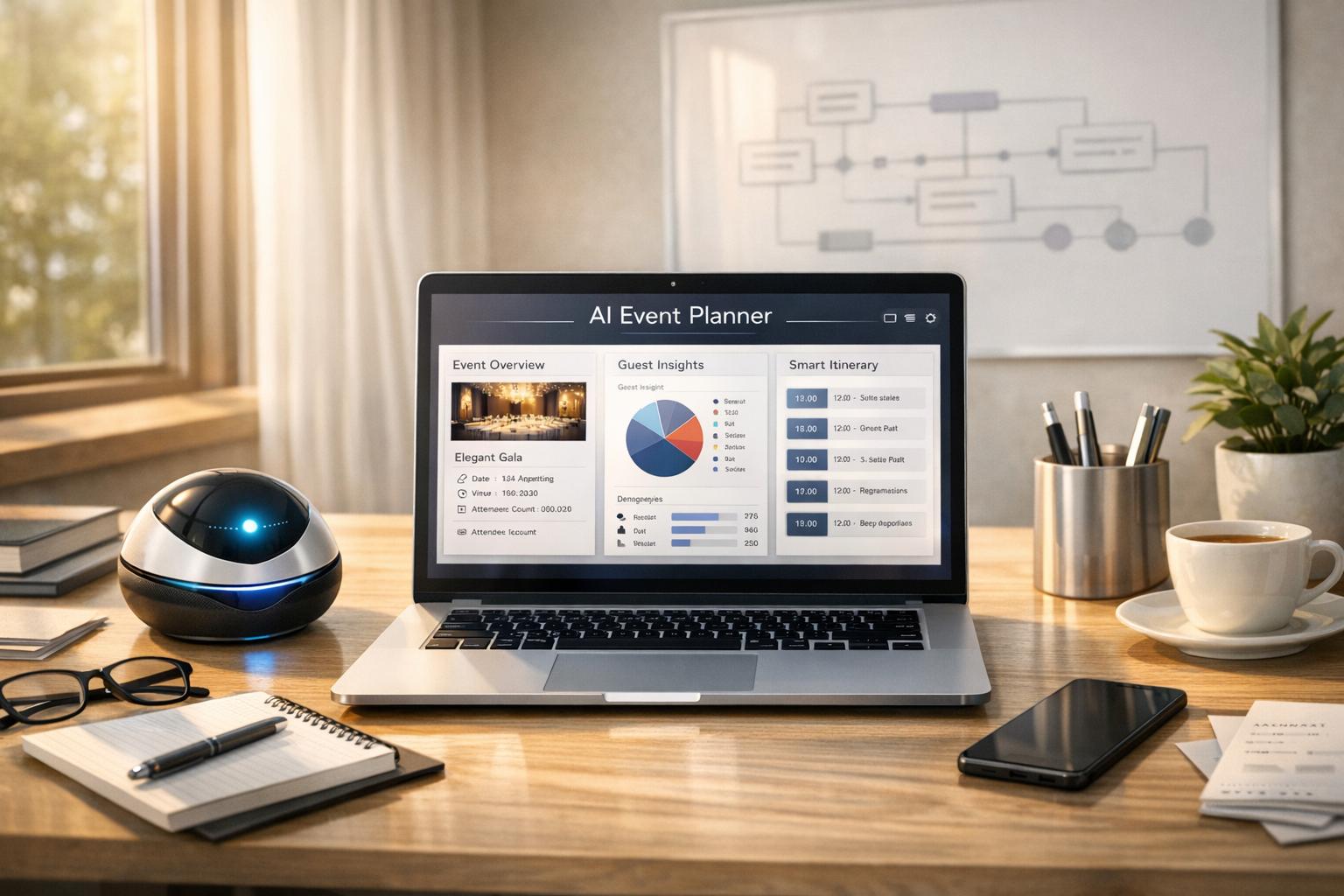
Artificial Intelligence (AI) is transforming industries at lightning speed, and event planning is no exception. For professionals tasked with orchestrating complex events, from corporate conferences to intimate gatherings, AI offers tools to streamline workflows, enhance creativity, and achieve more with less effort. But what does it mean to truly embrace AI in event planning? How can professionals overcome hesitation and learn to integrate these tools into their day-to-day operations?
In this article, we dive into insights from Chris Duke, Head of Brand Experiences at Glean, who shared his expertise on leveraging AI for smarter event planning. Duke explored everything from practical applications of AI to the mindset shifts necessary for creating an AI-first culture within teams. Whether you’re new to AI or looking to refine your approach, this article breaks down the key takeaways and actionable advice from the discussion.
Why AI is a Game-Changer for Event Planning
Event planning is a high-stakes profession, requiring meticulous attention to detail, quick decision-making, and creative problem-solving. Traditionally, this has meant long hours juggling logistics, communicating with vendors, and managing multiple moving parts. AI, however, offers a unique opportunity to alleviate much of this workload while enhancing the end result.
Key Benefits of AI in Event Planning:
- Enhanced Productivity: AI can handle repetitive tasks like drafting schedules, optimizing budgets, and generating marketing copy, freeing up planners to focus on creativity and strategic decision-making.
- Improved Collaboration: By acting as a centralized resource for insights and data, AI tools facilitate better communication across teams and departments.
- Data-Driven Decisions: AI can analyze attendee data, predict trends, and generate suggestions for improving event design and engagement.
- Faster Turnaround Times: AI tools can produce drafts, designs, and solutions in minutes, accelerating timelines without sacrificing quality.
Chris Duke emphasized that AI should be viewed as a complement to human skills, not as a replacement. It enhances work efficiency while still requiring human oversight, creativity, and contextual understanding.
sbb-itb-ae35a94
Overcoming Skepticism: Embracing AI Without Fear
One recurring concern among event planners is the fear that AI could one day replace their roles. Others worry about losing the personal, human touch that defines successful events. Duke highlighted these fears but reassured professionals with a clear perspective: AI is a tool, not a threat.
Tips for Overcoming AI Hesitation:
- Shift Your Mindset: View AI as a partner that supports your work. It doesn’t replace your expertise but helps amplify it.
- Start Small: Experiment with simple tools like ChatGPT or image-generation platforms to handle specific tasks, such as brainstorming session titles or creating email templates.
- Focus on Your Value: Remember that AI lacks the emotional intelligence and nuanced understanding of human interactions that event planners bring to the table. Your strategic thinking and ability to connect with clients remain irreplaceable.
Duke likened using AI tools to conducting an orchestra: while AI can play an instrument, it’s the planner’s job to direct the symphony. Success comes from knowing how to orchestrate AI’s capabilities effectively.
Crafting the Perfect AI Prompt: The Importance of Context
For AI tools to deliver useful results, they need clear and specific instructions. Crafting the right prompt is critical to ensuring the output aligns with your vision. Duke shared his approach to creating effective AI prompts that yield actionable results.
Steps to Create Effective AI Prompts:
- Define the Role: Start by instructing the AI on its "role." For instance, tell it, "You are a marketing manager designing a trade show booth for a tech company."
- Provide Context: Be detailed about the task. Include background information, goals, and constraints. For example, "Design a budget-friendly booth layout for a 10x10 space that aligns with a modern tech aesthetic."
- Organize Your Input: If uploading data or documents, ensure they’re clean and easy to parse. Messy or disorganized information can lead to flawed outputs.
- Iterate and Refine: Don’t expect perfection on the first try. Use follow-up prompts to tweak and improve the results.
Duke shared a personal example: when he uploaded a data set to an AI tool to generate a comparison report, the results were initially incorrect due to formatting issues. After refining the input and giving clearer instructions, the tool delivered the desired outcome. The lesson? AI is only as good as the information you feed it.
Building an AI-First Culture Within Teams
While individual exploration of AI tools is essential, fostering a broader AI-first culture within teams and organizations can unlock even greater potential. Duke shared actionable strategies for leaders and team members to integrate AI into their workflows.
Steps to Build an AI-First Culture:
- Lead by Example: Managers should actively use AI in their own tasks to set a precedent for their teams.
- Encourage Experimentation: Create a safe environment where team members can try AI tools without fear of making mistakes.
- Celebrate Wins: When AI tools lead to successful outcomes - like faster timelines or improved designs - acknowledge and share those wins across the team.
- Invest in Training: Offer resources and workshops to help team members learn how to use AI effectively.
- Balance Productivity and Creativity: Use AI to handle routine tasks, freeing up your team’s creative bandwidth for higher-value work.
Duke also noted that leadership should recognize and reward employees who adopt AI as a means of improving efficiency. A supportive workplace environment ensures team members feel encouraged, not intimidated, by these new tools.
The Emerging Role of Image Generation in Event Planning
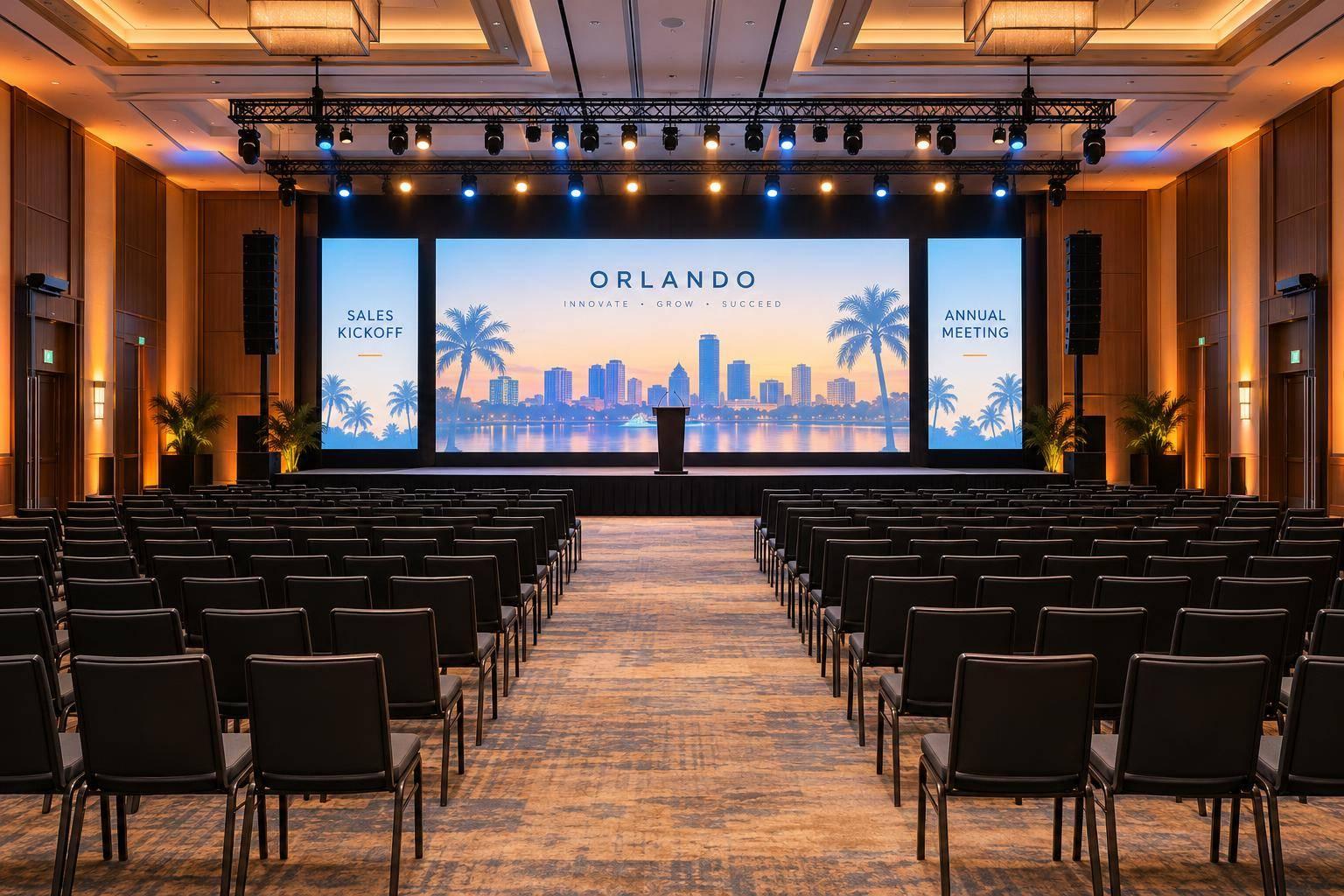
One of the most exciting applications of AI is in image and video generation. Tools like Nano Banana Pro allow planners to visualize event spaces, signage, and marketing materials more creatively than ever before. While the technology is still evolving, Duke acknowledged its potential to revolutionize how planners communicate their vision to stakeholders.
Real-World Applications of AI Image Generation:
- Booth Mockups: Quickly create visual layouts of trade show booths, including signage and traffic patterns.
- Event Branding: Experiment with color schemes, logos, and themes to find the most impactful design.
- Interactive Experiences: Generate engaging visuals for social media campaigns or event projections.
While tools like Nano Banana Pro are currently popular for creating memes, Duke predicts that their integration into professional platforms (such as Google Slides) will soon offer practical benefits for event planners. As these tools become more sophisticated, they will enable richer and more accurate visualizations of event concepts.
Key Takeaways
- AI is a Tool, Not a Threat: Use AI to complement your skills, enhance productivity, and free up time for strategic thinking.
- Craft Effective Prompts: Provide detailed context, define roles, and refine inputs to get the best results from AI tools.
- Experimentation is Key: Start small and explore various AI applications, from drafting event briefs to generating mockups.
- Foster an AI-First Culture: Encourage teams to embrace AI by leading with curiosity and celebrating successes.
- Stay Ahead of the Curve: Image and video generation tools are rapidly advancing and offer exciting opportunities for planners to visualize events more effectively.
- Human Oversight is Essential: AI is powerful, but it still requires human creativity and strategic input to deliver meaningful results.
Conclusion
AI has the potential to transform event planning by streamlining operations, improving collaboration, and unlocking new levels of creativity. However, successful adoption requires a proactive mindset, effective leadership, and a willingness to experiment. By embracing AI tools and integrating them thoughtfully into workflows, event planners can future-proof their careers and deliver even more impactful experiences.
Chris Duke’s advice shines a light on how event professionals can navigate this evolving landscape. Whether you’re an AI skeptic or an early adopter, now is the time to explore how these tools can empower your work - without replacing the human touch that makes events truly special.
Source: "How Event Pros Can Use AI to Plan Smarter and Work Better with Glean" - Bizzabo, YouTube, Dec 22, 2025 - https://www.youtube.com/watch?v=SPwtmMcyqKk
Related Blog Posts


Streamline your workflow, achieve more

Lorem ipsum dolor sit amet, consectetur adipiscing elit. Maecenas ac velit pellentesque, feugiat justo sed, aliquet felis.



Lorem ipsum dolor sit amet, consectetur adipiscing elit. Maecenas ac velit pellentesque, feugiat justo sed, aliquet felis.