Leading Meeting Production Company For Seamless AV And Lighting In 2027

Chief Executive Officer
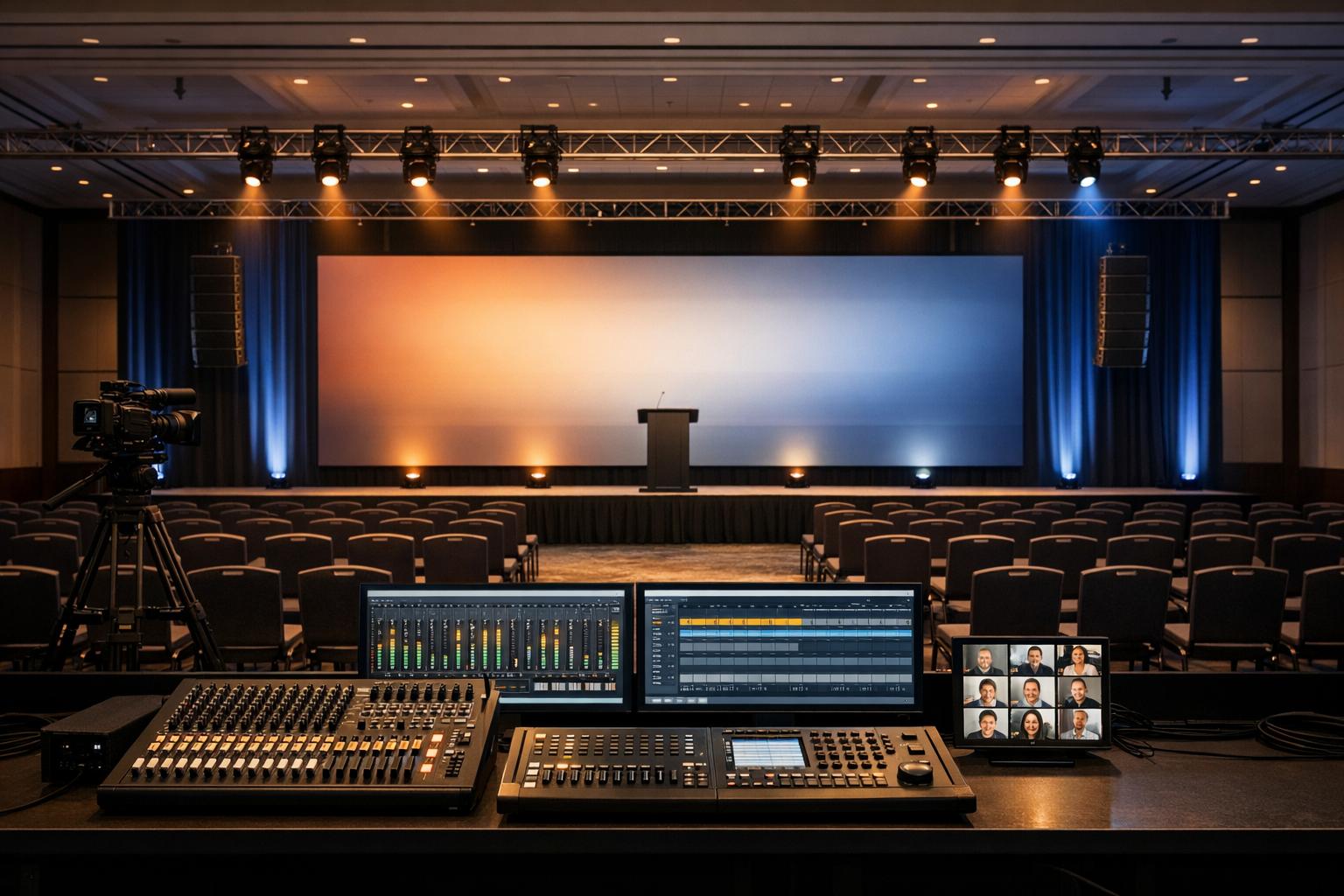
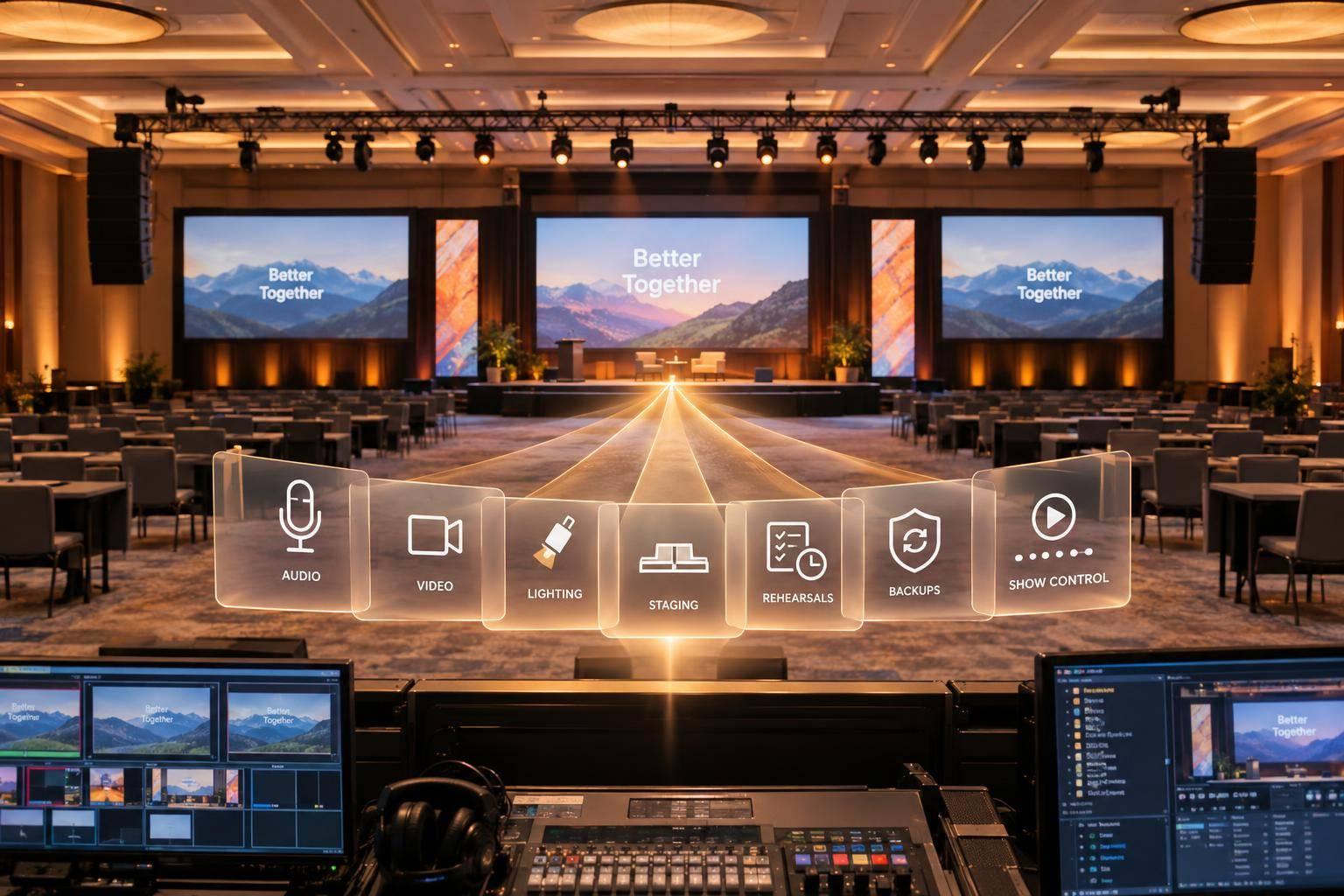
In 2027, corporate events demand high-quality audio-visual (AV) and lighting solutions to meet the expectations of both in-person and virtual audiences. From multi-camera setups and 4K live streams to energy-efficient lighting and AI-driven systems, the industry has evolved to deliver polished, immersive experiences. Companies now prioritize:
- Advanced AV Technology: High-resolution LED video walls, networked audio systems, and unified control interfaces streamline production.
- Modern Lighting Design: Energy-efficient LED fixtures, dynamic lighting effects, and brand-focused designs enhance event atmospheres.
- AI Integration: Automated lighting adjustments, real-time tracking, and predictive tools improve efficiency without replacing human expertise.
- Planning and Execution: Early collaboration with AV partners, thorough rehearsals, and backup systems ensure smooth operations.
- Flexible Solutions: Scalable setups cater to events of all sizes, from small meetings to large-scale conferences.
Whether you're hosting a leadership summit or hybrid event, choosing an experienced AV partner ensures your message is delivered with precision and impact. The right technology and planning transform events into memorable experiences.
Ballroom Gala AV Setup | Pro Audio & Lighting Walkthrough by Dallas Sound Guys
sbb-itb-ae35a94
Advanced AV and Lighting Technologies for 2027
Corporate events have undergone a massive transformation, with technology now forming the backbone of event production rather than just being an optional upgrade. From advancements in AV and lighting to the growing role of AI, the tools shaping modern events are more sophisticated and accessible than ever.
New Developments in AV Technology
LED technology has become the standard in event spaces. With color-capable fixtures and advanced control options, event organizers can instantly shift the atmosphere of a room without physical adjustments. Plus, high-resolution LED video walls have become much more affordable - costs have dropped by about 40% since 2024 - making them an option even for mid-range budgets.
Audio systems have also stepped up. Networked protocols like Dante and AVB ensure sound is evenly distributed across large venues, improving clarity no matter where attendees sit. Meanwhile, unified control systems now allow AV, lighting, and automation to operate under one interface using AV-over-IP frameworks. This means a single operator can handle video, lighting, and more without switching between platforms. The modular nature of these setups makes it easy to transform a space from a keynote stage to an interactive brand showcase in a single day.
"Visual infrastructure becomes more inseparable from spatial design. Displays, projection surfaces, and media elements will be planned into architecture and programming from the outset." - Starlite 2026 Trends Report
Hybrid events have also left a permanent mark on venue infrastructure. Many spaces now come equipped with built-in camera setups, broadcast-grade lighting, and integrated systems for seamless streaming - no additional room adjustments required.
Modern Event Lighting Design
Lighting has evolved to play a central role in storytelling and event design. Intelligent lighting systems with networked nodes and user-friendly interfaces allow even non-technical staff to create stunning, repeatable effects without complicated programming. Scene-based lighting setups make it easy to switch between vibrant networking spaces and focused keynote environments with the press of a button.
Modern LED moving heads now deliver the same brightness as older fixtures while using 40%–80% less power. These lights often last over 20,000 hours, cutting down on maintenance and replacement costs. Many are also IP65-rated, meaning they can smoothly transition between indoor and outdoor setups without issue.
Brand-focused lighting design has become the norm. Clean, sleek designs paired with brand-specific colors and accent lighting ensure logos and corporate identities stand out across event spaces. Interactive zones are another trend, with lighting that reacts to guest movements to create personalized experiences and memorable branded moments.
Lighting remains one of the most cost-effective production investments, with budgets ranging from $500 to $2,000 for transforming a space and setting the emotional tone. Paired with spatial audio, lighting can even create distinct zones within a venue - no physical barriers needed.
AI in AV and Lighting Optimization
AI is reshaping how AV and lighting systems operate, offering real-time adaptability. For instance, lighting systems can now adjust dynamically based on a speaker’s tone, music tempo, or audience movement. AI-powered tracking systems can manage up to 32 intelligent lights at once, following performers or speakers with millisecond precision.
In control rooms, AI enhances decision-making with tools for real-time visualization management. Remote Device Management (RDM) adds another layer of efficiency, allowing technicians to monitor equipment health, like fixture temperature and bulb life, and address potential issues before they disrupt an event.
AI also extends beyond the stage. It automates tasks like RSVP tracking and guest list management, freeing up producers to focus on creative decisions. Dynamic pricing engines driven by AI analyze demand signals to adjust ticket prices in real time, with early adopters reporting 10–25% boosts in ticket revenue compared to static pricing models.
"Immersion becomes a baseline design principle. AV increasingly functions as both infrastructure and emotional design, enhancing wayfinding, storytelling, engagement, and the overall feeling of a space." - Starlite 2026 Trends Report
AI works best as a tool to enhance efficiency rather than replace human creativity. While it excels at automating repetitive tasks and providing predictive insights, the creative direction and emotional connection that make events memorable still rely on human expertise. Together, these advancements ensure every corporate event follows best practices for conference event production to achieve a polished, seamless result.
Methods for Successful Event Execution
To ensure an event runs smoothly, it's essential to combine modern AV and lighting solutions with tried-and-true planning and troubleshooting strategies. One critical step is engaging an AV partner early - ideally during venue negotiations - to avoid being tied to costly in-house contracts. As Brian Siebrandt, National Sales Executive/Producer at Video West Inc., advises:
"If you have a trusted AV partner, write that relationship into your hotel contract. That gives you flexibility and avoids getting locked into more expensive in-house AV".
This proactive approach sets the foundation for effective planning and coordination.
Complete Event Planning and Coordination
Start with a bandwidth assessment tailored to your event's needs: allocate 10 Mbps per 100 devices for lighter usage and 25 Mbps per 100 devices for heavier demands. Paul Aubuchon, Senior Project Coordinator at Ironman Sound Industries, emphasizes the importance of planning for unexpected spikes:
"You'll need twice as much bandwidth as you think".
When it comes to visuals, choose based on your event's goals and limitations. LED walls deliver vibrant, high-energy visuals but require solid structural support, while traditional projection remains a practical fallback for tighter budgets or challenging logistics. For larger venues, Image Magnification (IMAG) is a must to keep attendees engaged, especially when they're seated far from the stage.
Audio is just as crucial. Coordinating wireless frequencies and having backup microphones ensures smooth transitions, while full-scale rehearsals align all moving parts. Terra Sedillo, Director of Marketing at AVFX, highlights the importance of these run-throughs:
"Rehearsals are where everything comes together. A full run-through aligns speakers, technical teams and production cues".
Real-Time Troubleshooting and Backup Plans
Backup systems are the backbone of a successful event. Hardware redundancies prevent single points of failure, and presentation files should be stored across multiple platforms - USB drives, cloud storage, and email attachments - to safeguard against technical glitches.
Onsite technical support is equally indispensable. Experienced technicians handle real-time adjustments, such as monitoring wireless frequencies, optimizing antenna placement, and balancing sound. Terra Sedillo explains:
"We coordinate wireless frequencies, optimize antenna placement and test in the exact room environment. Experienced engineers are on hand to troubleshoot and adjust live".
For hybrid events, a stable livestream depends on a dedicated wired internet connection, supplemented by robust Wi-Fi and sufficient bandwidth buffers. Testing all elements on location helps identify and address venue-specific challenges, such as acoustics or frequency interference.
Strong troubleshooting practices not only ensure smooth operations but also maintain high production quality across various event types.
Flexible Solutions for Events of All Sizes
Modern AV technology is designed to adapt, whether you're hosting a small meeting or a large-scale conference. For example, a 50-person gathering may only require wireless microphones, tripod screens, and basic sound mixing. On the other hand, a 2,000-person event might call for LED walls, IMAG projection, and a dedicated technical director to oversee multiple AV components.
Modular equipment like wireless LED tube lights, portable stage setups, and configurable LED video walls allows for quick adjustments to fit different venues without requiring a complete overhaul. A show caller or technical director ensures smooth transitions in lighting, sound, and video .
Global events benefit from sourcing equipment locally, which reduces transportation costs and logistical challenges while maintaining consistent quality. Tailored venue assessments - whether incorporating architectural lighting in a ballroom or custom rigging in a warehouse - help optimize the AV setup for the specific environment . For large productions, planning 3–6 months in advance allows ample time to secure custom equipment and experienced crews.
Success Stories: AV and Lighting in Action
Real-world examples show how precise AV and lighting can take corporate events to the next level. Corporate Optics has consistently delivered top-notch productions for a variety of events, generating over 33,000,000 positive media impressions for their clients. Their structured four-stage Project Life Cycle - Discover, Design, Develop, and Deliver - ensures that every event aligns with budgets, venue logistics, and guest experience goals, all while adapting to real-time challenges. These results stem from a combination of advanced AV systems, dynamic lighting, and thorough planning. Let’s dive into some case studies that highlight Corporate Optics’ approach in action.
Case Study: High-Impact Leadership Conference
For a national dealer meeting, Corporate Optics handled everything from scenic design and fabrication to lighting, audio, and visual coordination. The Develop phase focused on rehearsals and contingency plans to ensure a flawless experience, eliminating any on-stage surprises. Bill G., Senior Director, shared his thoughts on the event’s success:
"Corporate Optics made our national dealer meeting unforgettable. Their professionalism and creativity set a new standard for our events!" - Bill G., Senior Director
During the Deliver phase, the team adapted quickly to technical and environmental changes, allowing the leadership team to focus on engaging with attendees rather than worrying about logistical issues. This seamless execution amplified the corporate message across all aspects of the event.
Case Study: Hybrid Event Production for Global Teams
While in-person events are impactful, hybrid events require exceptional technical coordination to connect audiences from around the globe. For one such event, Corporate Optics ensured smooth integration of in-person and virtual elements. They centralized coordination and maintained a detailed timeline, aligning technical teams and vendors without a hitch. Ed D., Senior Managing Director and Chief Operating Officer, praised their reliability:
"Every time we work with Corporate Optics, we know we're in good hands. Their attention to detail and ability to adapt to challenges is unmatched." - Ed D., Senior Managing Director and Chief Operating Officer
Their ability to stay calm under pressure and prepare for unexpected challenges ensured seamless connectivity, keeping both remote and on-site participants fully engaged.
Case Study: Award Ceremony with Impressive Visuals
An award ceremony gave Corporate Optics the chance to showcase their talent for creating stunning visual experiences. Using intelligent lighting design and immersive AV setups, they crafted a production that captivated the audience from start to finish. Nikki D., Vice President of Sales, expressed her appreciation:
"Corporate Optics took our event to the next level. Their creativity and precision brought the event vision to life flawlessly." - Nikki D., Vice President of Sales
The team also delivered dynamic opening ceremonies and sponsor activations, enhancing the overall experience. Pete L., SVP of Marketing, highlighted their collaborative spirit:
"Such a tremendous team and group to work with. They always remain calm (with a smile), have our back, and are prepared for anything. I cannot tell you how appreciated it is to have a partner that makes these events fun." - Pete L., SVP of Marketing
How to Choose a Meeting Production Partner

Corporate Event Production Budget Guide: AV and Lighting Costs by Event Size in 2027
When selecting a production partner, go beyond equipment rental. Look for a team that integrates design, engineering, and flawless execution to ensure your speakers, message, and brand are fully supported. Pay attention to their technical expertise, full-service capabilities, and how well they align with your event's goals.
Assessing Technical Expertise and Solutions
Start by evaluating the partner's technical skills. Do they offer custom audio design, live mixing, and dependable wireless microphone management? These are key components for delivering clear sound during your event. Lighting is another critical area - check if they specialize in theatrical lighting design, including moving head fixtures, architectural washes, and gobo/texture lighting to enhance the atmosphere. For video, expect high-resolution LED walls, projection mapping, and IMAG systems to create an engaging experience for your audience.
For hybrid or virtual events, confirm they can handle professional 4K live streaming and multi-camera production. With 77 audio-visual experts operating in 106 locations and access to 350,000 m² (around 3.77 million ft²) of warehouse space globally, some partners offer both extensive reach and localized support. Ask if they provide specialized roles like Technical Directors, Show Callers, and Stage Managers - these professionals are essential for managing complex productions.
Understanding Full-Service Offerings
Beyond technical skills, a full-service partner ensures every detail of the production is covered. This approach includes everything from design and content creation to on-site setup and post-event analysis. Services like "cue-to-cue" show calling, thorough rehearsals, and precise labor coordination ensure your event runs seamlessly, giving executives confidence in the delivery. Top companies also provide post-event reviews and analytics to help measure ROI and improve future events.
Check whether the company owns its equipment or relies on brokers. Ownership often means better quality control and pricing. Ask about their contingency plans for critical systems like audio, video playback, and power - redundancies are vital to prevent failures during live events. Additionally, they should manage venue compliance, rigging, and safety protocols, especially for unconventional venues like arenas or exposed structures.
Matching Your Event Goals and Budget
Understanding costs is essential for planning. General sessions typically range from $25,000 to $75,000, while branded staging with moderate LED walls can cost $75,000 to $175,000. For multi-day conferences with elaborate scenic setups and automation, budgets can climb to $175,000–$350,000, and arena-level productions for national launches often exceed $350,000. LED video technology is one of the biggest cost factors in today’s corporate events.
Timing also matters. Large conferences need a lead time of 3–6 months, while smaller meetings require 6–10 weeks. Ensure the partner specializes in corporate events, such as executive summits or healthcare conferences, as these require a higher level of precision compared to entertainment-focused productions. Ask for examples of their ability to adapt to last-minute changes without affecting quality. A reliable partner should deliver detailed proposals within 48 hours, tailored to the venue and audience size. Balancing costs with production quality is key to meeting the high standards expected for corporate events in 2027.
Conclusion
The success of your event hinges on delivering clear audio and sharp visuals. As Brilliant Event Lighting puts it, "a keynote with muffled audio, a presentation with a dim projector, or a live stream that drops mid-sentence - these are the moments that undermine your brand". High-quality AV and lighting solutions aren't just nice-to-haves - they're critical tools to safeguard your reputation and amplify your message.
When you collaborate with Corporate Optics, you're partnering with a team that takes care of the technical challenges, so you can focus on engaging with your audience. Whether it's AI-driven lighting adjustments, high-resolution LED walls, broadcast-quality live streaming, or on-the-spot troubleshooting, the right partner can transform any venue into an immersive experience that leaves a lasting impression.
As the event industry continues to evolve, early planning with seasoned professionals becomes more important than ever. Innovations like latest event production trends, sustainable practices, and automation are shaping what’s possible in 2027. Whether you’re organizing a major leadership summit or a smaller gathering, starting early with experienced partners ensures access to the right equipment and meticulous preparation.
This commitment to excellence is echoed in client feedback. For instance, I.C.D. USA shares, "The company seamlessly integrates cutting-edge technology into our event each year... ensuring that our technological needs are not only met but exceeded". From skilled technical directors to stage managers and on-site crews, having the right team in place can prevent the common issues that derail even the most carefully planned events.
When choosing your AV and lighting partner, prioritize expertise and technology. Investing in professional solutions pays off with stronger brand impact, minimized risks, and reliable technical execution.
FAQs
How early should I book AV and lighting for a 2027 corporate event?
Booking AV and lighting services well in advance - preferably several months ahead - is a smart move. This not only guarantees availability but also gives ample time for coordination, ensuring your 2027 corporate event goes off without a hitch.
What AV and lighting upgrades matter most for hybrid events?
For hybrid events, the right AV and lighting upgrades can make all the difference in keeping both in-person and virtual audiences engaged. On the AV side, focus on high-quality streaming, flexible routing, and dynamic visuals. This means investing in high-resolution displays and audio systems that deliver crystal-clear sound.
When it comes to lighting, prioritize designs that are adaptable and immersive. Lighting should complement different effects and create an inviting atmosphere that enhances the experience for everyone, regardless of how they’re tuning in.
To take things even further, consider incorporating AI-driven tools and immersive technologies. These can help deliver a more interactive and memorable hybrid event.
What backup plans should an AV team have onsite?
An AV team needs solid backup strategies to keep events running smoothly, even when the unexpected happens. Some key approaches include:
- Extra Staff on Hand: Having additional team members, such as a show caller or producer, can provide critical support if something goes off track.
- Rehearsals: Scheduling run-throughs ahead of the event helps identify and resolve potential technical glitches before they become problems.
- Backup Equipment: Always have spare gear ready to go - microphones, switchers, and laptops are just a few examples of essential backups.
It’s also important to have flexible procedures in place for last-minute changes. Combined with redundancy in both staffing and gear, these steps help reduce risks and keep operations running seamlessly.
Related Blog Posts
- 4 Meeting Production Companies That Excel At Seamless AV (audio/video), Lighting, and Stage Design for Corporate Conferences, and events
- Best Meeting Production Companies For General Session & Breakout Session AV Support
- Leading Providers Of Professional Meeting Production To Consider In 2026
- End-To-End Annual Meeting Production Companies For Your Next Company Conference


Streamline your workflow, achieve more

Lorem ipsum dolor sit amet, consectetur adipiscing elit. Maecenas ac velit pellentesque, feugiat justo sed, aliquet felis.



Lorem ipsum dolor sit amet, consectetur adipiscing elit. Maecenas ac velit pellentesque, feugiat justo sed, aliquet felis.